Nova Scotia Duck Tolling Retriever
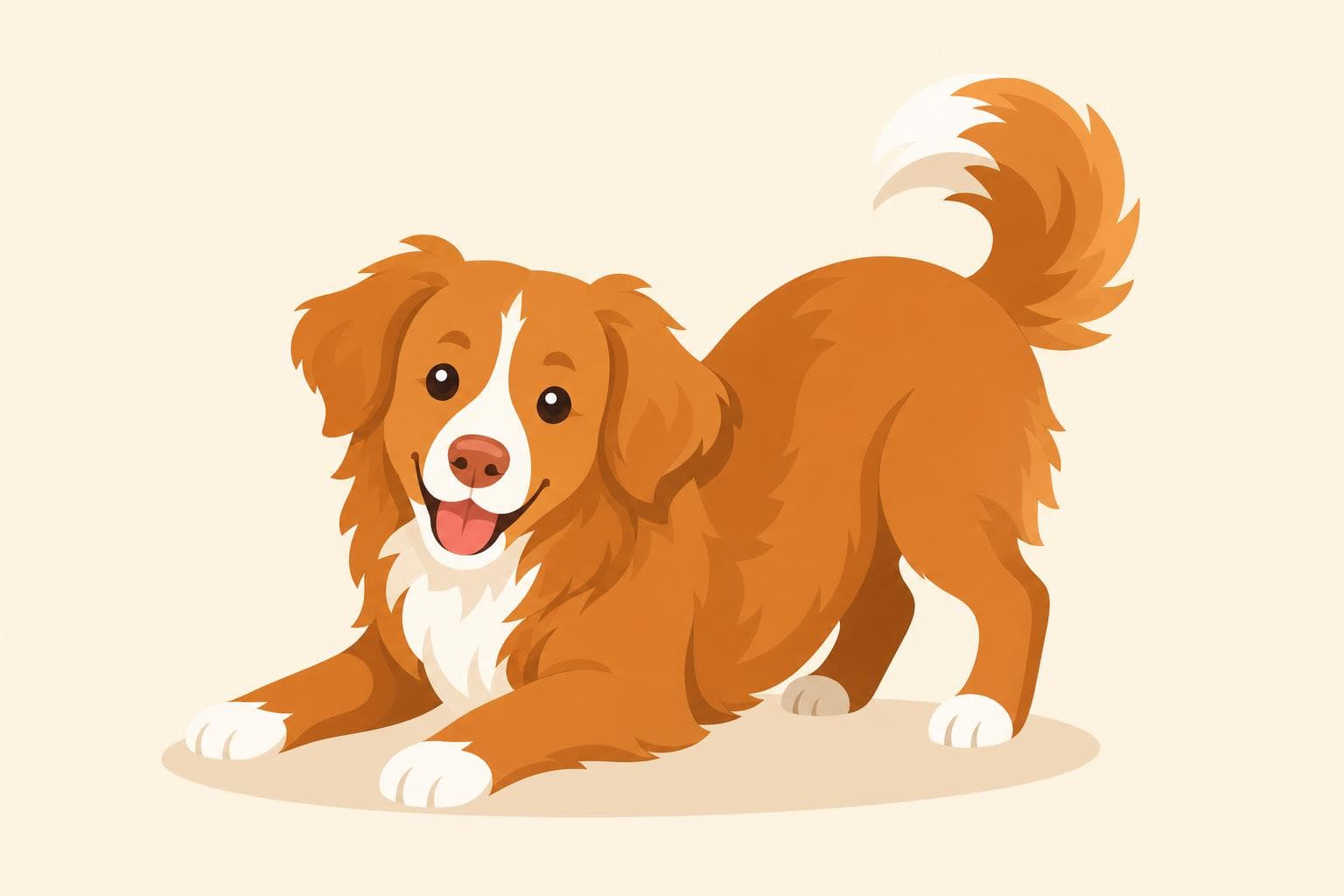
Nova Scotia Duck Tolling Retrievers, affectionately called 'Tollers,' are spirited, fun-loving dogs who thrive on being part of the family action. They're affectionate without being clingy, smart without being stubborn, and bring a contagious joy to everyday life. Tollers do have a distinctive high-pitched 'scream' when excited — a quirky trait that surprises new owners but quickly becomes part of the family soundtrack.
Behavior & traits
- gentle with kids
- playful
- highly trainable
- people oriented
- vocal at times
Health concerns
Tollers are generally healthy, but families should be aware of hereditary conditions like progressive retinal atrophy (PRA), hip dysplasia, and autoimmune disorders such as Addison's disease and immune-mediated rheumatic disease. Reputable breeders screen for these issues, so always ask about health clearances. Regular vet checkups and a watchful eye on energy or appetite changes go a long way.
Responsible breeding and regular check-ups go a long way. Always ask breeders about health testing.
Feeding & nutrition
A high-quality diet formulated for active medium-sized sporting breeds works best, typically 2 to 2.5 cups of food daily split into two meals. Tollers can be food-motivated, so measure portions carefully to prevent weight gain, especially as they age. Look for foods with quality protein to support their athletic build and busy lifestyle.
Exercise needs
Tollers need at least 60–90 minutes of vigorous exercise daily, including running, swimming, fetch, or hiking — they were bred to work all day. Families who love the outdoors will find a perfect partner here, and games of fetch in the backyard or trips to the lake are pure bliss for this breed. Without enough activity, they can become restless and mischievous.
Living with a Nova Scotia Duck Tolling Retriever
Living with a Toller means living with constant enthusiasm and a built-in shadow — they want to be wherever you are, whether that's cooking dinner or folding laundry. Mornings usually start with a happy greeting and a request for activity, and they truly shine on family adventures like beach trips, hikes, or backyard play sessions with the kids. Expect some water everywhere (they adore puddles, sprinklers, and pools), seasonal shedding that calls for regular brushing, and that famous Toller 'scream' of excitement when something thrilling happens. They're sensitive souls who pick up on family moods, so they thrive in homes with positive energy and consistent routines. For active families willing to match their pace, a Toller is a deeply rewarding, joyful companion.
Recommended products
A sturdy front-clip harness is essential for walks and outdoor adventures, along with durable fetch toys like rubber bumpers and floating retrievers that nod to their water-loving heritage. A slicker brush and undercoat rake will keep their double coat manageable, especially during seasonal shedding. Invest in a quick-dry towel for post-swim cleanup, a long-line leash for safe off-leash practice, and puzzle feeders to keep their sharp minds engaged on rainy days.
Reads for Nova Scotia Duck Tolling Retriever owners
The Social Connector: The Owner Who Makes the Dog Park Feel Like a Neighborhood
You're the one who knows every dog on the block by name — and probably every owner too. The Social Connector turns a walk around the corner into a small social event, and the right dog makes that whole world richer. Here's the portrait, the growth edge no one warned you about, and the dog personalities that fit your rhythm best.
![[header] A bouncy dog leaping joyfully through a sunlit park in flat](/_next/image?url=https%3A%2F%2Fimages.ctfassets.net%2Fq8y32akc6zms%2F4cFY2HKkMBNgbcHmNaqIDL%2F72d10e50225d48b1d956db70d928322f%2Fheader.jpg&w=3840&q=75)
The Zoomie Champion: The Dog Who Lives Life at Full Speed
Bold, bouncy, and always ready for the next thing — the Zoomie Champion is the dog who treats every day as an invitation to run, greet, and play. If your dog's assessment landed here, this portrait explains what makes them tick, where the friction points hide, and which kind of owner brings out their sunniest side.
![[header] Nova Scotia Duck Tolling Retriever playing in a grassy field](/_next/image?url=https%3A%2F%2Fimages.ctfassets.net%2Fq8y32akc6zms%2F5HDYiM8coDJ7VVO27du5Sr%2F4e04faf351fc7a6582e378258c77fed5%2Fheader.jpg&w=3840&q=75)
How to Meet Your Nova Scotia Duck Tolling Retriever's Exercise Needs
Learn how to meet the high exercise and mental stimulation needs of your Nova Scotia Duck Tolling Retriever, even if you don't have access to open water. From training games to active playtime, discover how to keep your Toller happy and healthy.