Old English Sheepdog
Old English Sheepdogs are famously affectionate, goofy, and deeply devoted to their people. Bred to herd, they have a natural instinct to keep their 'flock' — meaning your family — close together, and may gently nudge or circle kids during play. They're known for a clownish sense of humor that delights children, balanced with a calm, easygoing nature indoors. Most OES are friendly with visitors and other pets, making them a wonderful fit for busy, social households.
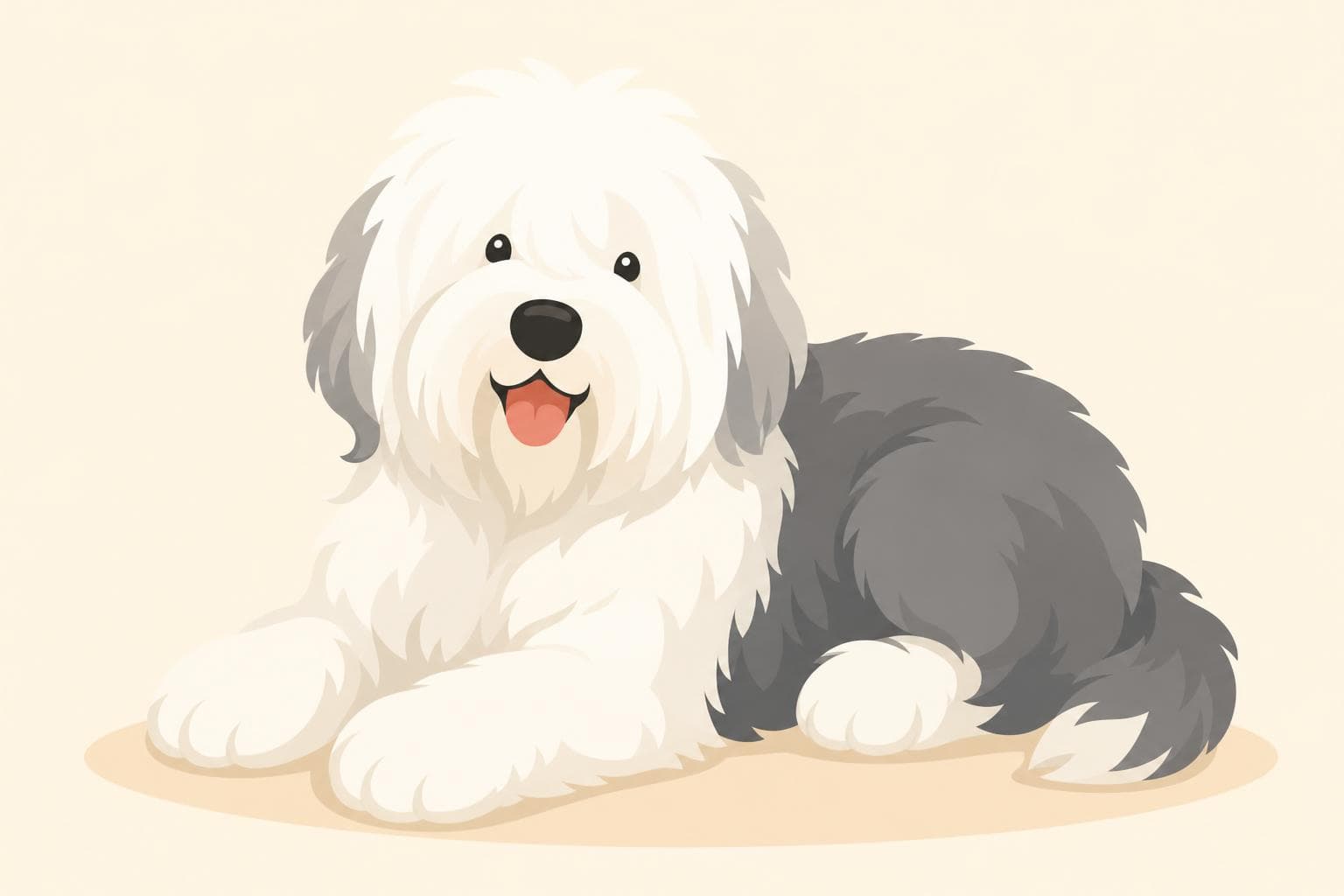
Behavior & traits
- gentle with kids
- loyal companion
- playful clown
- watchful of family
- sociable
Health concerns
Old English Sheepdogs can be prone to hip and elbow dysplasia, hypothyroidism, and certain eye conditions like cataracts. They're also at higher risk for deafness and some autoimmune disorders, so regular vet checkups and screenings from reputable breeders are important. Like many large breeds, they can experience bloat, so feeding habits matter.
Responsible breeding and regular check-ups go a long way. Always ask breeders about health testing.
Feeding & nutrition
A high-quality large-breed dog food with balanced protein and joint-supporting nutrients like glucosamine works well for this active herder. Most adults do best on two measured meals per day rather than one large feeding, which helps reduce the risk of bloat. Watch portion sizes carefully — under all that fluff, it's easy to miss weight gain that can strain their joints.
Exercise needs
OES need about an hour of daily exercise, including walks, play sessions in the yard, and mental challenges like puzzle toys or herding games. They love family activities — a hike, a game of fetch with the kids, or a romp at a dog-friendly park keeps them happy. Without enough activity, they can become bored and mischievous, so consistent daily outings are key.
Living with a Old English Sheepdog
Living with an Old English Sheepdog means sharing your home with a shaggy, lovable goofball who genuinely thinks they're part of the family — sometimes literally a lap dog, despite their size. Expect tufts of fur on the furniture, muddy paws after rainy walks, and a dog who follows you from room to room just to stay close. They're wonderfully patient with children and often act as gentle guardians, though their herding instinct may show up as soft nudges or circling during chaotic play. Their famous bark is loud and distinctive, so they'll let you know when the mail arrives. Most families are surprised by how affectionate and emotionally tuned-in these dogs are — they truly thrive on being part of every household moment.
Recommended products
Grooming is the biggest commitment, so invest in a slicker brush, a metal pin brush, a dematting comb, and quality dog shampoo — daily brushing prevents painful mats in that double coat. A sturdy no-pull harness helps manage their size on walks, and a raised feeding bowl supports comfortable mealtimes for a large breed. Durable chew toys and puzzle feeders keep their busy minds engaged, and a large, washable dog bed gives them a cozy spot to sprawl after family adventures.
Reads for Old English Sheepdog owners
![[header] Border Collie with puzzle toys](/_next/image?url=https%3A%2F%2Fimages.ctfassets.net%2Fq8y32akc6zms%2F7eTvC6qBF3gqDFvQSzcpXM%2Fa35b628bfd670bfc52bf4bcd532fc1b6%2Fheader.jpg&w=3840&q=75)
Engaging Activities for Border Collies: A How-To Guide
Is your Border Collie always on the lookout for something to do? Dive into engaging mental activities that will keep their sharp minds busy and entertained!
![[header] Senior dog resting on an orthopedic bed while a puppy waits](/_next/image?url=https%3A%2F%2Fimages.ctfassets.net%2Fq8y32akc6zms%2F4EwnObSBED8EN4IbvFJgaN%2Fc15a1446d531fd28d8e6854c46c3de7f%2Fheader.jpg&w=3840&q=75)
Before the Puppy Arrives: A Pre-Arrival Checklist for Your Senior Dog
Your calm senior dog has been quietly compensating for aches, stiffness, and fading senses for years — and a new puppy is about to expose all of it. This pre-arrival checklist walks you through the vet workup, pain baseline, and home setup to tackle in the weeks *before* pickup day, so your older dog isn't blindsided by the chaos.
![[header] Small dog wearing a soft mesh harness walking on a sunny pat](/_next/image?url=https%3A%2F%2Fimages.ctfassets.net%2Fq8y32akc6zms%2F3p03PzT9zANgbTC9dAOMJ2%2Ff95efe8539856e9489ef9bd4e861c4ba%2Fheader.jpg&w=3840&q=75)
Comfortable Harnesses for Small Dogs Prone to Tracheal Collapse
Is your small dog coughing from their collar? Discover harnesses designed for pups prone to tracheal collapse, offering protection and comfort with every walk.