Otterhound
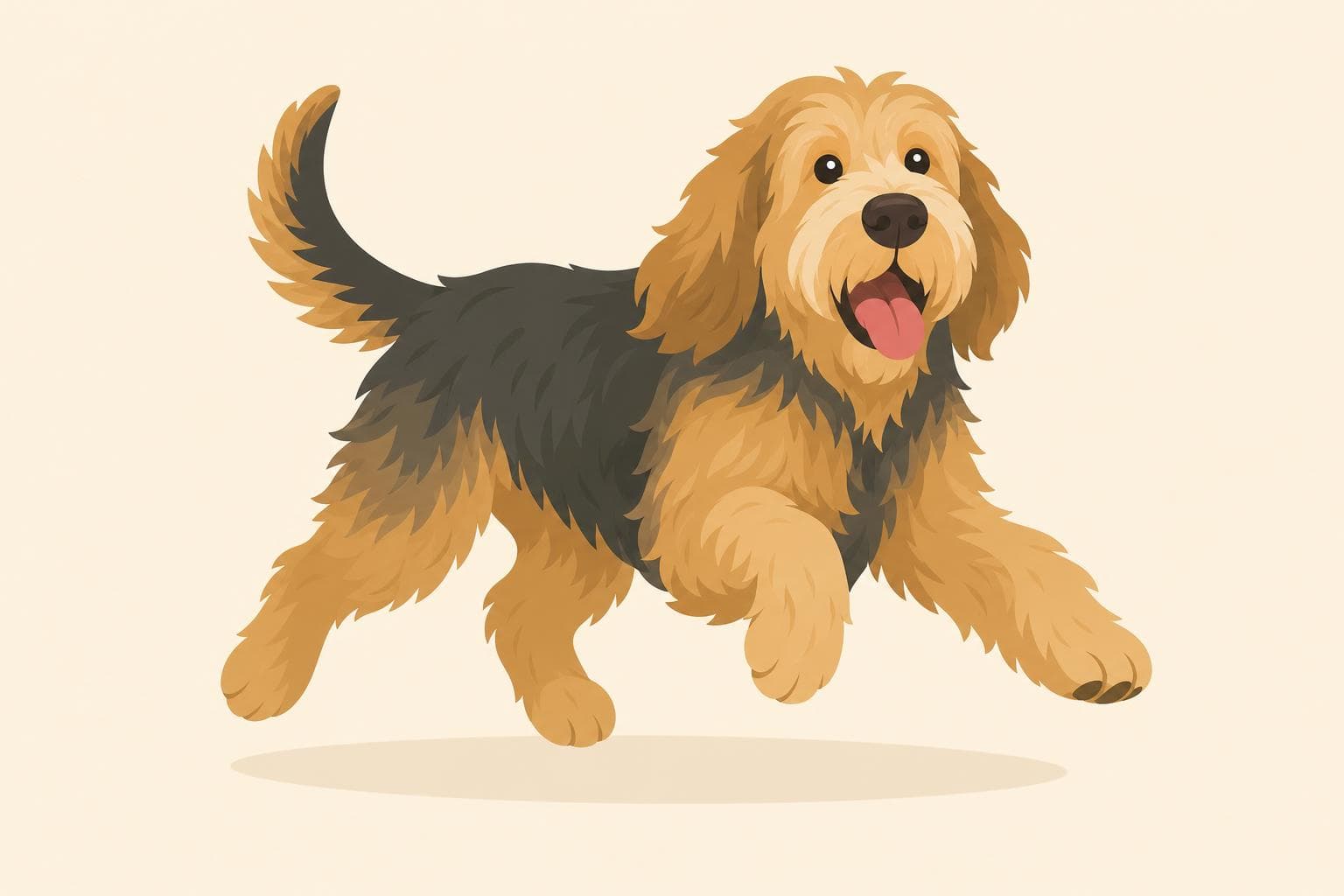
Otterhounds are big, shaggy goofballs with hearts to match their size. They're famously good-natured and tend to take the noise and chaos of family life in stride, happily lumbering through the house and joining in on whatever the kids are doing. Bred to work in packs, they enjoy companionship — both human and canine — and rarely show aggression, though their booming voice and clownish enthusiasm can surprise first-time visitors.
Behavior & traits
- gentle with kids
- playful
- sociable with other dogs
- stubborn streak
- loves water
Health concerns
Otterhounds are prone to hip and elbow dysplasia, which is common in large breeds, as well as bloat (gastric torsion), a serious emergency that families should learn to recognize. They can also experience certain bleeding disorders like Glanzmann's thrombasthenia, so working with a reputable breeder who health-tests parents is important. Regular vet checkups and keeping your dog at a healthy weight go a long way in supporting joint and overall health.
Responsible breeding and regular check-ups go a long way. Always ask breeders about health testing.
Feeding & nutrition
As a large, active breed, Otterhounds do best on a high-quality dog food formulated for big dogs, fed in two measured meals a day rather than one large portion to help reduce bloat risk. Expect to budget for substantial food costs — adults can eat 4–6 cups daily depending on activity level. Avoid vigorous exercise right before or after meals, and consider a slow-feeder bowl if your hound tends to inhale dinner.
Exercise needs
Otterhounds need at least an hour of solid exercise every day, and they truly thrive when given a job or an adventure. Long hikes, swimming (they adore water — be ready for muddy returns), and romps in a securely fenced yard are ideal, since their strong nose can send them tracking off-leash. Families with active routines, weekend hikers, or kids who love outdoor play will find them the perfect tagalong.
Living with a Otterhound
Living with an Otterhound is a bit like sharing your home with a lovable, shaggy roommate who tracks water across the kitchen and has opinions on everything. They're affectionate and patient with children, often forming deep bonds with the whole family rather than just one person, and they tend to be wonderfully tolerant of toddler antics. Expect a beard that drips water everywhere after every drink, a deep baying bark that the neighbors will definitely hear, and a dog who follows his nose with single-minded determination on walks. They're not couch potatoes, but after a good adventure they're happy to flop down in the middle of the living room — usually right where everyone needs to walk. Families who embrace the mess, the noise, and the goofy personality find Otterhounds to be one of the most rewarding and unforgettable breeds out there.
Recommended products
A sturdy front-clip harness is essential for managing their size and scent-driven pulling, along with a 6-foot leash for trail walks and a long line for safe sniffing adventures. Invest in a quality slicker brush, metal comb, and a snood or beard towel to manage their rough double coat and famously drippy beard. A raised, large-breed feeder with a slow-feed bowl helps reduce bloat risk, and a heavy-duty orthopedic dog bed will support their joints as they age. Don't forget durable chew toys and a kiddie pool in summer — they'll thank you for it.
Reads for Otterhound owners
![[header] Border Collie with puzzle toys](/_next/image?url=https%3A%2F%2Fimages.ctfassets.net%2Fq8y32akc6zms%2F7eTvC6qBF3gqDFvQSzcpXM%2Fa35b628bfd670bfc52bf4bcd532fc1b6%2Fheader.jpg&w=3840&q=75)
Engaging Activities for Border Collies: A How-To Guide
Is your Border Collie always on the lookout for something to do? Dive into engaging mental activities that will keep their sharp minds busy and entertained!
![[header] Senior dog resting on an orthopedic bed while a puppy waits](/_next/image?url=https%3A%2F%2Fimages.ctfassets.net%2Fq8y32akc6zms%2F4EwnObSBED8EN4IbvFJgaN%2Fc15a1446d531fd28d8e6854c46c3de7f%2Fheader.jpg&w=3840&q=75)
Before the Puppy Arrives: A Pre-Arrival Checklist for Your Senior Dog
Your calm senior dog has been quietly compensating for aches, stiffness, and fading senses for years — and a new puppy is about to expose all of it. This pre-arrival checklist walks you through the vet workup, pain baseline, and home setup to tackle in the weeks *before* pickup day, so your older dog isn't blindsided by the chaos.
![[header] Small dog wearing a soft mesh harness walking on a sunny pat](/_next/image?url=https%3A%2F%2Fimages.ctfassets.net%2Fq8y32akc6zms%2F3p03PzT9zANgbTC9dAOMJ2%2Ff95efe8539856e9489ef9bd4e861c4ba%2Fheader.jpg&w=3840&q=75)
Comfortable Harnesses for Small Dogs Prone to Tracheal Collapse
Is your small dog coughing from their collar? Discover harnesses designed for pups prone to tracheal collapse, offering protection and comfort with every walk.