Parson Russell Terrier
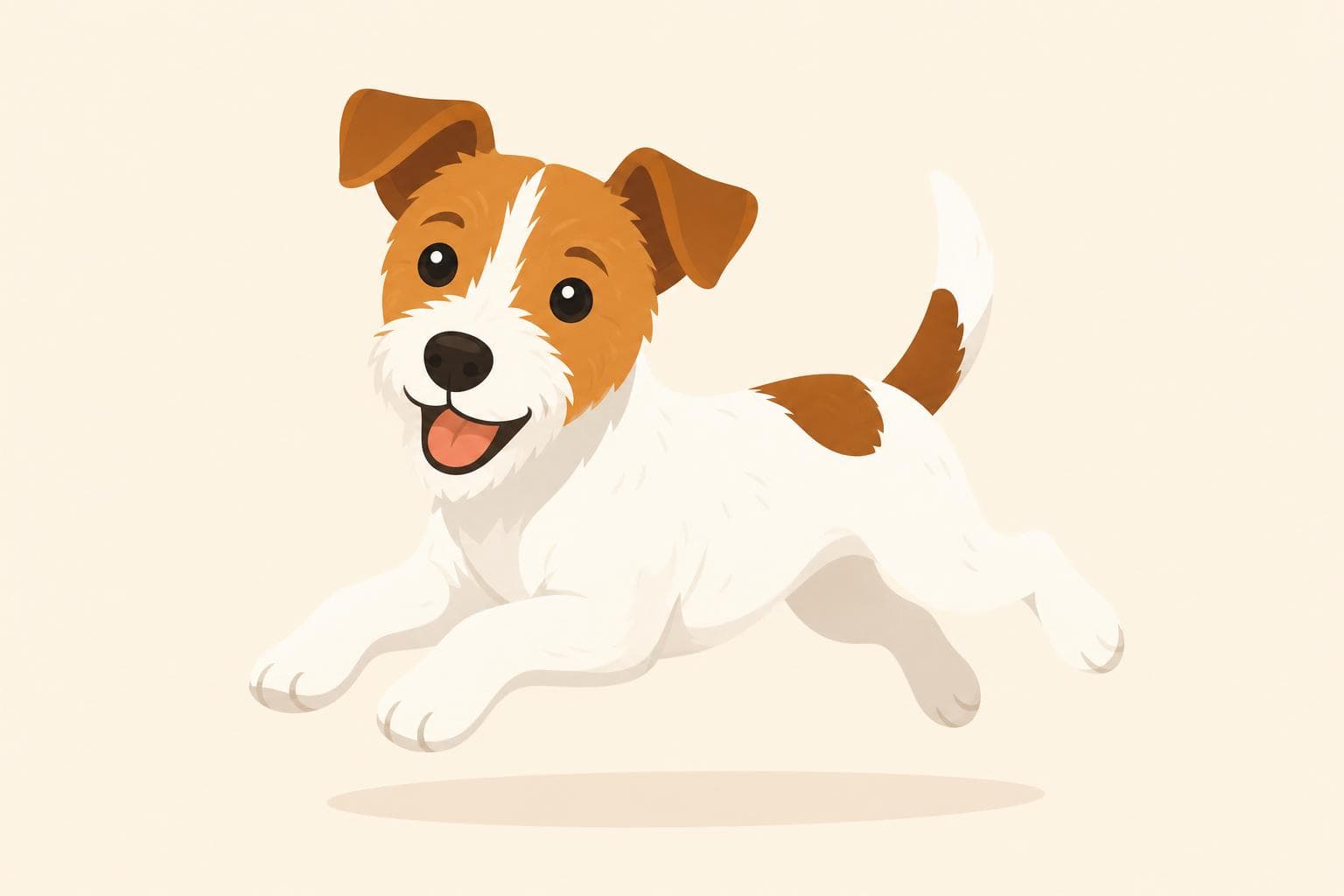
Parson Russell Terriers are pint-sized bundles of personality with a huge zest for life. In a family home, they're devoted companions who love being part of every adventure, from backyard games to weekend hikes. They're confident, curious, and famously fearless, which makes them entertaining housemates — but also means they need plenty of supervision and engagement to stay out of mischief.
Behavior & traits
- lively
- great with older kids
- alert watchdog
- strong prey drive
- independent thinker
Health concerns
Parson Russells are generally a hardy, long-lived breed, but families should watch for inherited conditions such as patellar luxation, Legg-Calvé-Perthes disease, and primary lens luxation that can affect the eyes. Deafness can also occur, particularly in predominantly white dogs. Regular vet checkups, ear cleanings, and dental care go a long way in keeping them healthy into their senior years.
Responsible breeding and regular check-ups go a long way. Always ask breeders about health testing.
Feeding & nutrition
A high-quality dog food formulated for active small breeds works well, typically split into two measured meals per day. Because these terriers are athletic and food-motivated, it's easy to overfeed with treats — keep an eye on body condition, especially as they age. Fresh water should always be available, and treats are best used purposefully during training.
Exercise needs
This is a high-energy working terrier that thrives on at least 60–90 minutes of daily activity. Families can meet that need with brisk walks, fetch sessions, agility play, and plenty of off-leash running in a securely fenced area. Mental enrichment — puzzle toys, scent games, and training challenges — is just as important as physical exercise to prevent boredom-driven antics.
Living with a Parson Russell Terrier
Living with a Parson Russell Terrier is rarely dull — these dogs bring big energy and big personality into a household. Mornings often start early with an eager terrier ready to play, and the day flows best when there's structure, exercise, and chances to use their busy brains. They tend to bond closely with their families and love being included in everything, often following kids from room to room like a furry shadow. Be prepared for a strong prey drive (squirrels and small pets can be a challenge) and a knack for finding escape routes, so secure fencing is essential. They generally do best with older, dog-savvy children who can match their playful energy without being knocked over or overwhelmed.
Recommended products
A sturdy front-clip harness and a 6-foot leash are must-haves for walks, since Parsons can be strong pullers when something catches their eye. Stock up on interactive puzzle toys, durable chew toys, and a flirt pole to help burn off that famous terrier energy. A comfortable crate provides a calm retreat and helps with house training, and a slicker brush plus a rubber curry mitt will keep their coat tidy and manage seasonal shedding. Don't forget a secure, well-fitting collar with ID tags — these little escape artists are notorious for slipping away in pursuit of an interesting scent.
Reads for Parson Russell Terrier owners
![[header] Border Collie with puzzle toys](/_next/image?url=https%3A%2F%2Fimages.ctfassets.net%2Fq8y32akc6zms%2F7eTvC6qBF3gqDFvQSzcpXM%2Fa35b628bfd670bfc52bf4bcd532fc1b6%2Fheader.jpg&w=3840&q=75)
Engaging Activities for Border Collies: A How-To Guide
Is your Border Collie always on the lookout for something to do? Dive into engaging mental activities that will keep their sharp minds busy and entertained!
![[header] Senior dog resting on an orthopedic bed while a puppy waits](/_next/image?url=https%3A%2F%2Fimages.ctfassets.net%2Fq8y32akc6zms%2F4EwnObSBED8EN4IbvFJgaN%2Fc15a1446d531fd28d8e6854c46c3de7f%2Fheader.jpg&w=3840&q=75)
Before the Puppy Arrives: A Pre-Arrival Checklist for Your Senior Dog
Your calm senior dog has been quietly compensating for aches, stiffness, and fading senses for years — and a new puppy is about to expose all of it. This pre-arrival checklist walks you through the vet workup, pain baseline, and home setup to tackle in the weeks *before* pickup day, so your older dog isn't blindsided by the chaos.
![[header] Small dog wearing a soft mesh harness walking on a sunny pat](/_next/image?url=https%3A%2F%2Fimages.ctfassets.net%2Fq8y32akc6zms%2F3p03PzT9zANgbTC9dAOMJ2%2Ff95efe8539856e9489ef9bd4e861c4ba%2Fheader.jpg&w=3840&q=75)
Comfortable Harnesses for Small Dogs Prone to Tracheal Collapse
Is your small dog coughing from their collar? Discover harnesses designed for pups prone to tracheal collapse, offering protection and comfort with every walk.