Pekingese
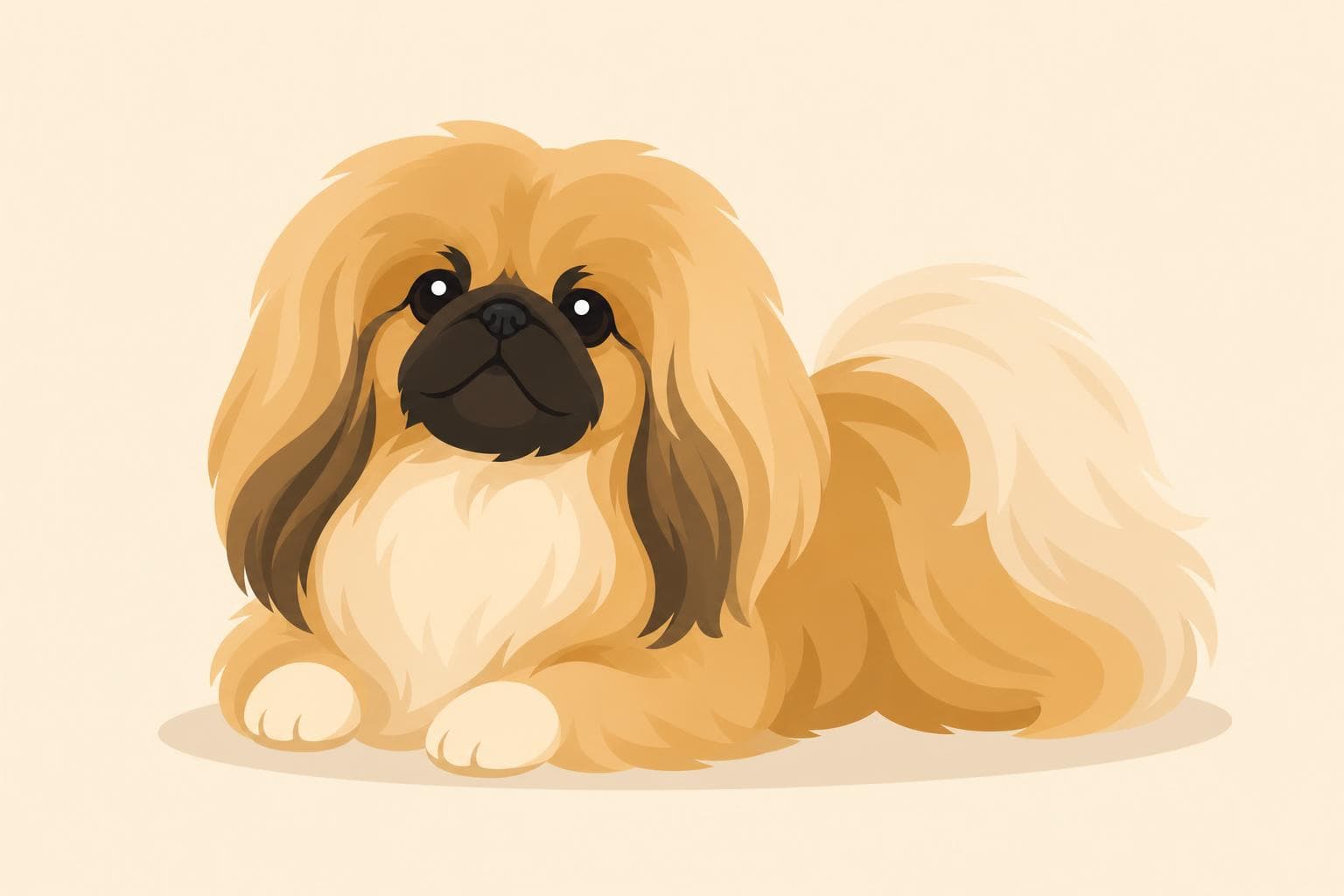
Pekingese are charming little lions with surprisingly big personalities packed into a small frame. They tend to bond deeply with one or two family members while remaining politely aloof with everyone else, including visitors. In a family home, they're calm and dignified rather than playful and bouncy, often preferring to supervise the household from a favorite cushion. They make wonderful companions for quieter homes but can be a bit too proud and fragile to enjoy the rough-and-tumble energy of very young children.
Behavior & traits
- devoted companion
- alert watchdog
- stubborn streak
- calm indoors
- reserved with strangers
Health concerns
As a brachycephalic (flat-faced) breed, Pekingese are prone to breathing difficulties, overheating, and dental crowding, so families need to be mindful in hot weather and during exercise. They can also experience eye issues like ulcers or dryness due to their prominent eyes, along with back problems from their long-bodied build. Regular vet check-ups and a watchful eye on their breathing and weight go a long way in keeping them healthy.
Responsible breeding and regular check-ups go a long way. Always ask breeders about health testing.
Feeding & nutrition
Pekingese do well on a high-quality small-breed kibble portioned carefully, as they gain weight easily and even a pound or two extra can strain their breathing and back. Most adults eat about ½ to 1 cup of food per day split into two meals, which also helps with their sometimes sensitive digestion. Families should avoid free-feeding and keep table scraps to a minimum to protect their joints and waistline.
Exercise needs
These little dogs have modest exercise needs and are happy with a couple of short, leisurely walks a day plus some indoor play. Families should avoid strenuous activity in hot or humid weather since their flat faces make it hard to cool down. A gentle stroll around the block and a few minutes of play in the living room usually keeps a Pekingese perfectly content.
Living with a Pekingese
Living with a Pekingese is a bit like sharing your home with a small, furry royal who has graciously agreed to let you stay. They're calm and quiet most of the day, often napping in a sunny spot, but they take their watchdog duties seriously and will announce every doorbell, delivery, and squirrel. Families quickly learn that their Peke has firm opinions—about food, about being picked up, about which lap is acceptable—and a stubborn charm that's hard to resist. Daily life includes regular brushing, wiping facial folds and eyes, and being mindful of heat and stairs to protect their backs. In return, you get a loyal, loving little companion who is endlessly entertaining and deeply devoted to their chosen people.
Recommended products
A good pin brush and metal comb are essential for managing their long double coat, along with gentle eye wipes and a soft cloth for cleaning facial folds daily. Skip the collar in favor of a padded step-in harness to protect their delicate trachea, and choose a raised, shallow food bowl that's easier on their flat face. A cooling mat for warm months and a supportive orthopedic bed will keep them comfortable, while puzzle toys help engage their clever, independent minds.
Reads for Pekingese owners
Meet The Professional Napper: The Dog Archetype Who Turns Rest Into an Art Form
If your dog treats the couch like a career, this one's for them. The Professional Napper is a gentle, sociable, low-gear archetype — the dog who wants a sunbeam, a short walk, and you in the same room. Here's what it means, who they thrive with, and the one thing owners get wrong about "low energy."
![[header] Border Collie with puzzle toys](/_next/image?url=https%3A%2F%2Fimages.ctfassets.net%2Fq8y32akc6zms%2F7eTvC6qBF3gqDFvQSzcpXM%2Fa35b628bfd670bfc52bf4bcd532fc1b6%2Fheader.jpg&w=3840&q=75)
Engaging Activities for Border Collies: A How-To Guide
Is your Border Collie always on the lookout for something to do? Dive into engaging mental activities that will keep their sharp minds busy and entertained!
![[header] Senior dog resting on an orthopedic bed while a puppy waits](/_next/image?url=https%3A%2F%2Fimages.ctfassets.net%2Fq8y32akc6zms%2F4EwnObSBED8EN4IbvFJgaN%2Fc15a1446d531fd28d8e6854c46c3de7f%2Fheader.jpg&w=3840&q=75)
Before the Puppy Arrives: A Pre-Arrival Checklist for Your Senior Dog
Your calm senior dog has been quietly compensating for aches, stiffness, and fading senses for years — and a new puppy is about to expose all of it. This pre-arrival checklist walks you through the vet workup, pain baseline, and home setup to tackle in the weeks *before* pickup day, so your older dog isn't blindsided by the chaos.