Pointer
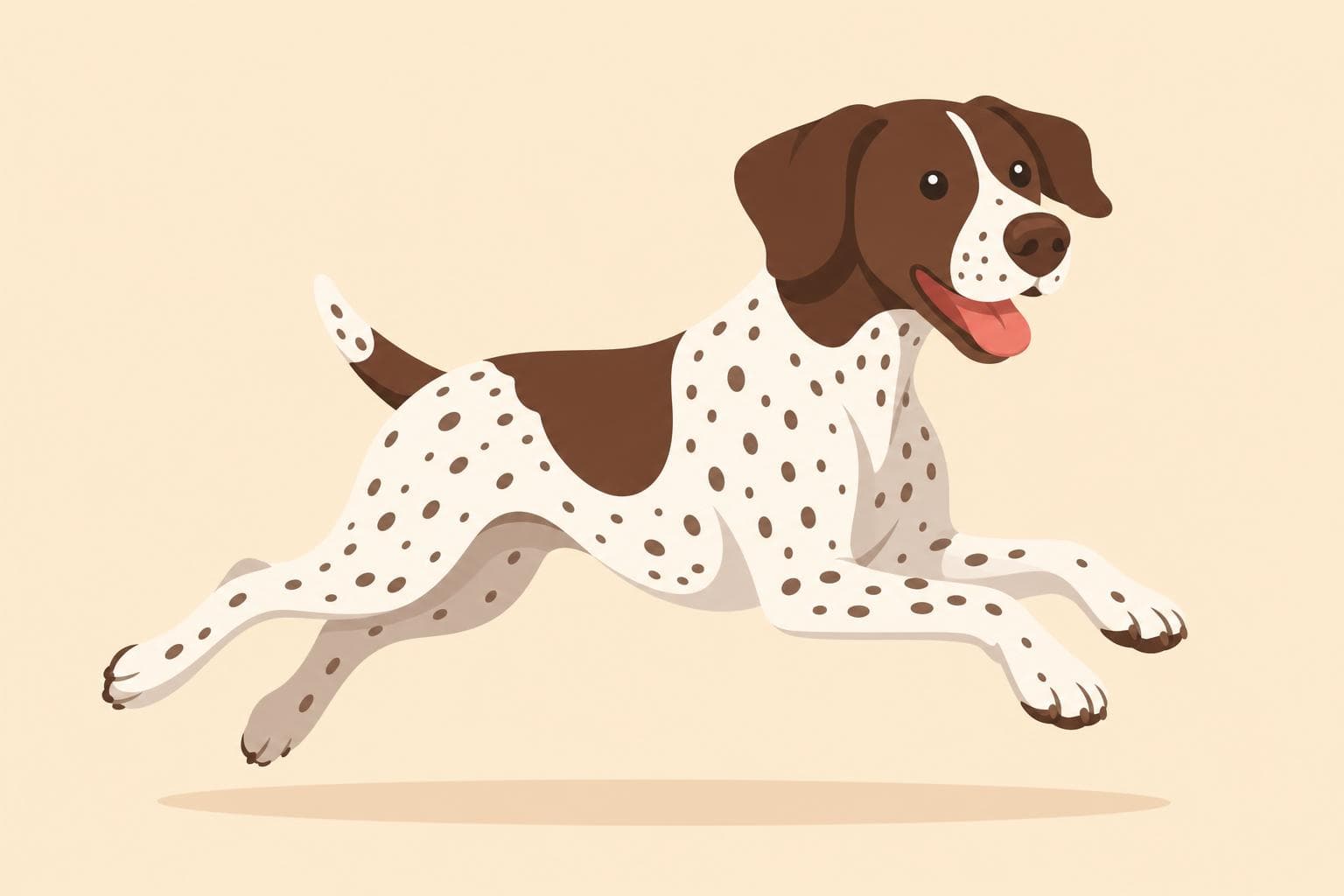
Pointers are devoted, good-natured dogs who thrive on being part of family life. Bred to work closely with hunters in the field, they bring that same focus and enthusiasm into the home, often forming deep bonds with every member of the household. They tend to be playful with children, polite with guests, and surprisingly gentle once their exercise needs are met. Without enough activity, however, that energy can spill over into restlessness or mischief.
Behavior & traits
- high prey drive
- great with kids
- athletic
- people oriented
- alert
Health concerns
Pointers are generally a robust, healthy breed but can be prone to hip dysplasia, certain eye conditions like progressive retinal atrophy, and occasional skin allergies. Some lines may also be susceptible to hypothyroidism or epilepsy, so reputable breeders should provide health clearances. Routine vet checkups and keeping your Pointer at a lean weight go a long way toward a long, active life.
Responsible breeding and regular check-ups go a long way. Always ask breeders about health testing.
Feeding & nutrition
Active Pointers do best on a high-quality, protein-rich diet formulated for medium-to-large sporting breeds. Most adults eat between 2 to 3 cups of kibble per day, split into two meals to support steady energy and reduce the risk of bloat. Always adjust portions based on age, activity level, and body condition, and keep fresh water available, especially after exercise.
Exercise needs
Pointers need a serious amount of daily exercise — think at least 1 to 2 hours of running, hiking, fetch, or off-leash play in a safe area. Families who jog, bike, or spend weekends outdoors will find a perfect partner here. A fenced yard helps, but it won't replace structured activity; mental stimulation through scent games or training sessions is just as important.
Living with a Pointer
Living with a Pointer means waking up to a wagging tail and a dog who's ready to go from the moment your feet hit the floor. They're affectionate housemates who often follow family members from room to room, and many love to curl up on the couch after a good run. Expect plenty of energy in the mornings and evenings, with longer naps in between once their exercise needs are met. Families are sometimes surprised by their classic 'pointing' instinct — you may catch your dog frozen mid-step, nose locked on a squirrel or butterfly. With kids, they're typically patient and playful, though their size and bounce mean supervision is wise around toddlers.
Recommended products
A sturdy front-clip harness is essential for managing their pulling power on walks, along with a long training lead for safe off-leash practice in open spaces. Invest in durable fetch toys, a flirt pole, or a puzzle feeder to channel their drive and intelligence. A raised orthopedic bed supports their athletic joints, and a rubber curry brush makes quick work of their short, shedding coat. For colder climates, a lightweight dog coat helps since their thin coat offers little insulation.
Reads for Pointer owners
![[header] Border Collie with puzzle toys](/_next/image?url=https%3A%2F%2Fimages.ctfassets.net%2Fq8y32akc6zms%2F7eTvC6qBF3gqDFvQSzcpXM%2Fa35b628bfd670bfc52bf4bcd532fc1b6%2Fheader.jpg&w=3840&q=75)
Engaging Activities for Border Collies: A How-To Guide
Is your Border Collie always on the lookout for something to do? Dive into engaging mental activities that will keep their sharp minds busy and entertained!
![[header] Senior dog resting on an orthopedic bed while a puppy waits](/_next/image?url=https%3A%2F%2Fimages.ctfassets.net%2Fq8y32akc6zms%2F4EwnObSBED8EN4IbvFJgaN%2Fc15a1446d531fd28d8e6854c46c3de7f%2Fheader.jpg&w=3840&q=75)
Before the Puppy Arrives: A Pre-Arrival Checklist for Your Senior Dog
Your calm senior dog has been quietly compensating for aches, stiffness, and fading senses for years — and a new puppy is about to expose all of it. This pre-arrival checklist walks you through the vet workup, pain baseline, and home setup to tackle in the weeks *before* pickup day, so your older dog isn't blindsided by the chaos.
![[header] Small dog wearing a soft mesh harness walking on a sunny pat](/_next/image?url=https%3A%2F%2Fimages.ctfassets.net%2Fq8y32akc6zms%2F3p03PzT9zANgbTC9dAOMJ2%2Ff95efe8539856e9489ef9bd4e861c4ba%2Fheader.jpg&w=3840&q=75)
Comfortable Harnesses for Small Dogs Prone to Tracheal Collapse
Is your small dog coughing from their collar? Discover harnesses designed for pups prone to tracheal collapse, offering protection and comfort with every walk.