Pomeranian
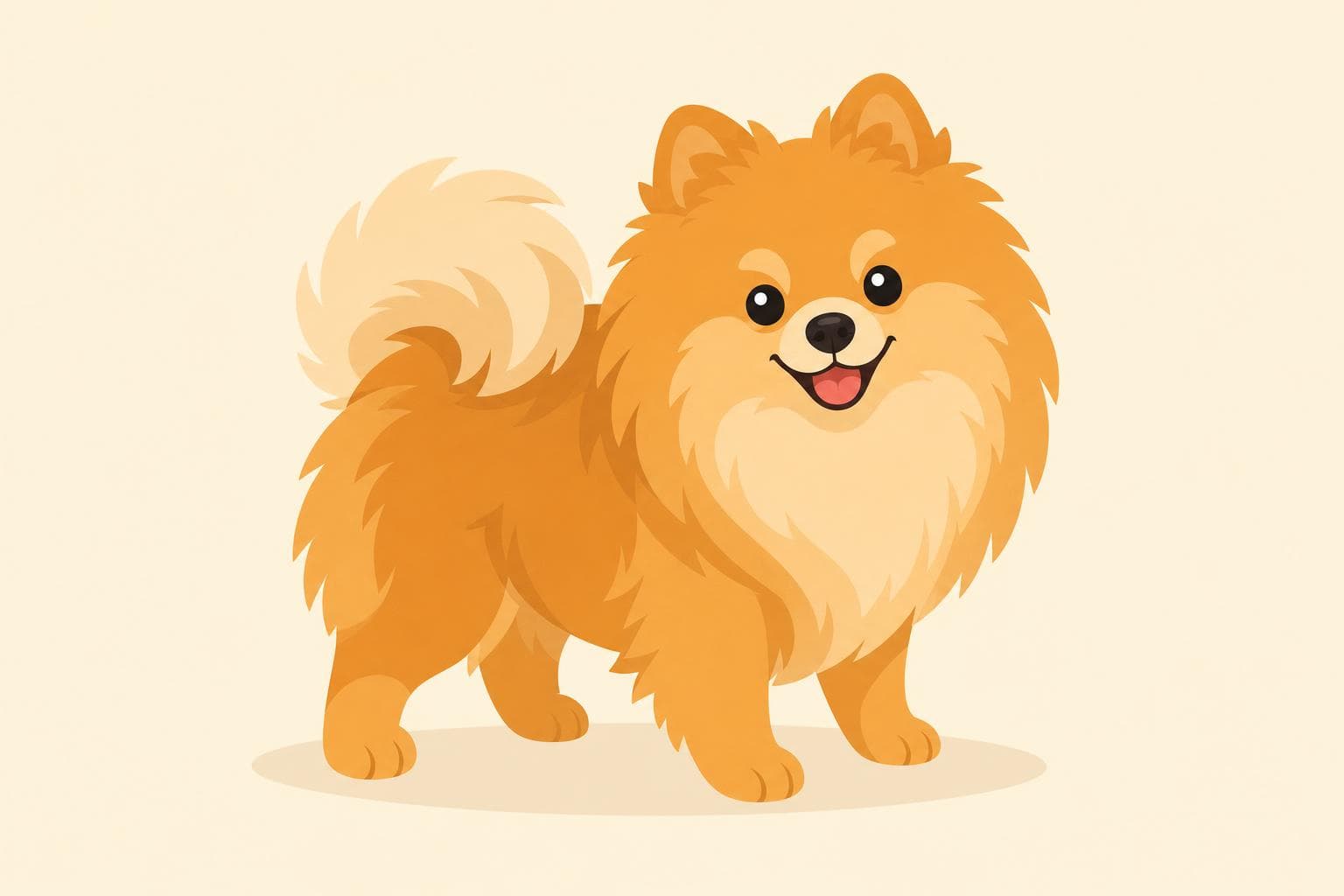
Pomeranians are big personalities in tiny packages — confident, curious, and endlessly entertaining. They bond deeply with their people and love being right in the middle of family activity, whether that's movie night on the couch or watching the world go by from a window perch. Don't let their size fool you; they're alert little watchdogs who will happily announce every doorbell, delivery driver, and squirrel.
Behavior & traits
- affectionate with family
- alert watchdog
- playful
- confident
- vocal
Health concerns
Pomeranians can be prone to dental issues, luxating patellas (slipping kneecaps), and a condition called tracheal collapse, which is why a harness is preferred over a collar. Some lines also experience alopecia X (coat thinning) and hypoglycemia in young puppies. Regular vet checkups and dental care go a long way toward keeping them healthy into their teens.
Responsible breeding and regular check-ups go a long way. Always ask breeders about health testing.
Feeding & nutrition
Pomeranians do best on a high-quality small-breed formula, fed in measured portions twice a day to prevent both obesity and low blood sugar. Because they're tiny, even a few extra treats can quickly add up — stick with small training rewards and watch their waistlines. Fresh water and dental-friendly kibble or chews help support their notoriously delicate teeth.
Exercise needs
Despite their toy size, Poms have surprising energy and benefit from two short daily walks plus indoor play sessions. A fenced yard or a hallway game of fetch is usually plenty — they're well-suited to apartment life. Mental stimulation like puzzle toys and trick training keeps their clever little minds happy.
Living with a Pomeranian
Living with a Pomeranian is like having a fluffy, four-legged cheerleader who thinks every day is the best day ever. They wake up ready to greet you with a wagging tail, follow you from room to room, and have strong opinions about visitors, mail carriers, and any rustle outside the window — expect some barking. They're best suited to families with older, gentle children, as their tiny frames can be injured by rough handling or accidental drops from couches and arms. You'll quickly learn that the fluffy double coat blows seasonally, leaving little tumbleweeds on the floor, and that your Pom will absolutely demand to be part of every family gathering. In return, you get a deeply loyal, hilarious companion who fits in a tote bag but has the heart of a guard dog.
Recommended products
A well-fitted step-in harness is essential to protect their delicate trachea on walks, paired with a lightweight retractable or standard leash. For grooming, invest in a quality pin brush, slicker brush, and metal comb to manage their double coat, plus nail clippers and a small dog toothbrush for at-home dental care. A cozy elevated bed, small-breed puzzle toys, and a sturdy pet gate to block stairs (which can be hard on tiny joints) round out the essentials for a happy Pom household.
Reads for Pomeranian owners
![[header] Border Collie with puzzle toys](/_next/image?url=https%3A%2F%2Fimages.ctfassets.net%2Fq8y32akc6zms%2F7eTvC6qBF3gqDFvQSzcpXM%2Fa35b628bfd670bfc52bf4bcd532fc1b6%2Fheader.jpg&w=3840&q=75)
Engaging Activities for Border Collies: A How-To Guide
Is your Border Collie always on the lookout for something to do? Dive into engaging mental activities that will keep their sharp minds busy and entertained!
![[header] Senior dog resting on an orthopedic bed while a puppy waits](/_next/image?url=https%3A%2F%2Fimages.ctfassets.net%2Fq8y32akc6zms%2F4EwnObSBED8EN4IbvFJgaN%2Fc15a1446d531fd28d8e6854c46c3de7f%2Fheader.jpg&w=3840&q=75)
Before the Puppy Arrives: A Pre-Arrival Checklist for Your Senior Dog
Your calm senior dog has been quietly compensating for aches, stiffness, and fading senses for years — and a new puppy is about to expose all of it. This pre-arrival checklist walks you through the vet workup, pain baseline, and home setup to tackle in the weeks *before* pickup day, so your older dog isn't blindsided by the chaos.
![[header] Small dog wearing a soft mesh harness walking on a sunny pat](/_next/image?url=https%3A%2F%2Fimages.ctfassets.net%2Fq8y32akc6zms%2F3p03PzT9zANgbTC9dAOMJ2%2Ff95efe8539856e9489ef9bd4e861c4ba%2Fheader.jpg&w=3840&q=75)
Comfortable Harnesses for Small Dogs Prone to Tracheal Collapse
Is your small dog coughing from their collar? Discover harnesses designed for pups prone to tracheal collapse, offering protection and comfort with every walk.