Portuguese Podengo Pequeno
Portuguese Podengo Pequenos are bright, bouncy little dogs with big personalities packed into compact frames. They thrive on being part of family life, happily following everyone from room to room and joining in on whatever's happening. While they're affectionate cuddlers at the end of the day, they're also clever problem-solvers with a hunter's instincts, so families can expect a dog that's equal parts lap warmer and tiny adventurer.
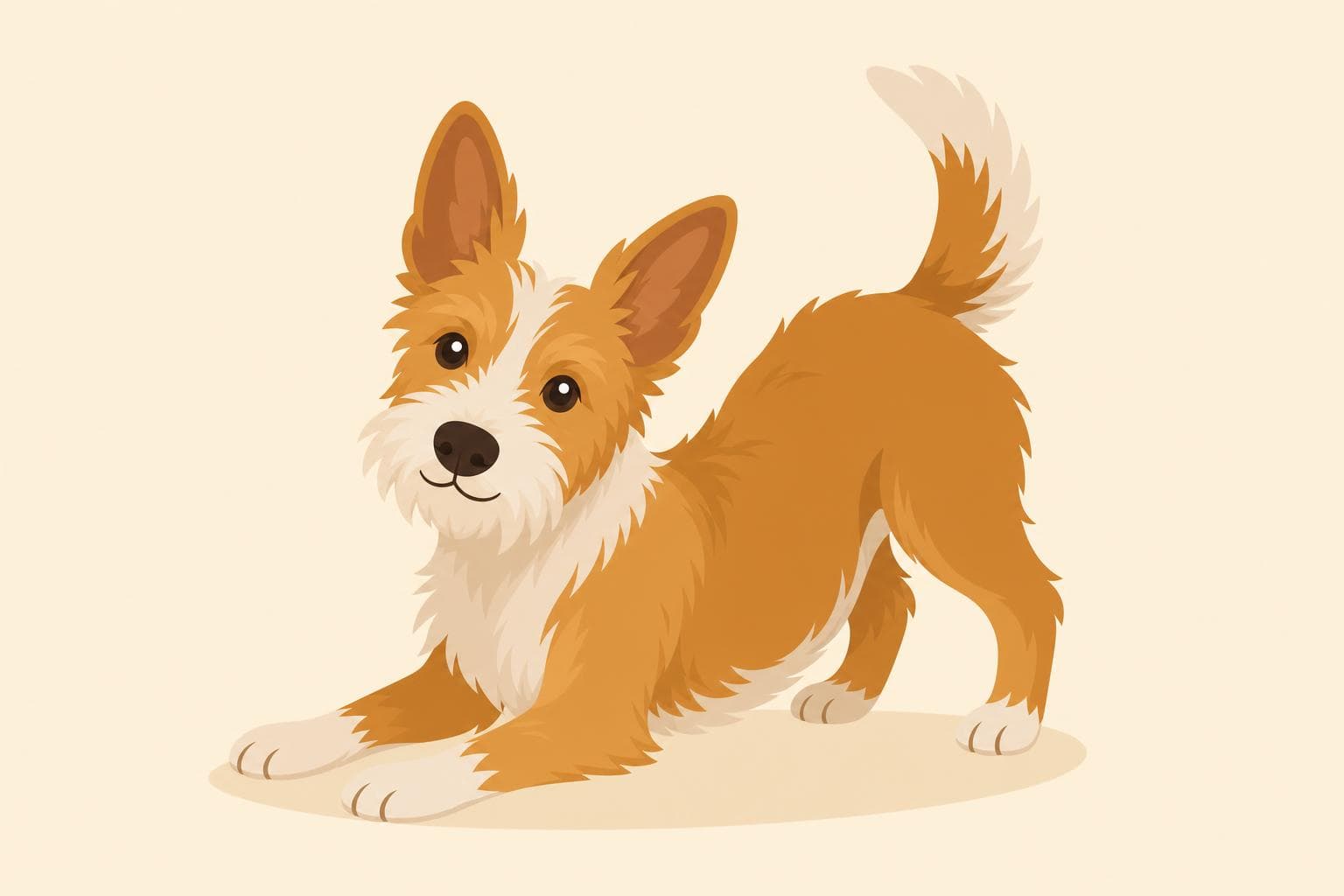
Behavior & traits
- playful with kids
- alert watchdog
- curious explorer
- social
- independent streak
Health concerns
The Portuguese Podengo Pequeno is generally a hardy, healthy breed with few inherited issues, which is wonderful news for families. Occasional concerns include patellar luxation (slipping kneecaps) and minor eye conditions, so regular vet checkups are important. Their small size also means dental care should be a priority — daily brushing or dental chews go a long way.
Responsible breeding and regular check-ups go a long way. Always ask breeders about health testing.
Feeding & nutrition
Feed a high-quality small-breed formula appropriate for your dog's age and activity level, typically around 1/2 to 1 cup per day split into two meals. Because they're small but energetic, they need nutrient-dense food without overfeeding — extra pounds can quickly stress their little joints. Watch table scraps from curious kids at the dinner table, as Podengos are notoriously persuasive beggars.
Exercise needs
Despite their small size, Podengo Pequenos have surprising stamina and need a solid 45–60 minutes of activity each day. Families can meet this with brisk walks, backyard play sessions, and fun games like fetch or hide-and-seek with the kids. A securely fenced yard is ideal because their hunting heritage means they'll chase squirrels, birds, or anything that moves.
Living with a Portuguese Podengo Pequeno
Living with a Portuguese Podengo Pequeno means inviting a cheerful, curious little shadow into your daily routine. They wake up ready to play, settle in beautifully during work-from-home hours, and tend to form strong bonds with every family member — though they often pick a favorite person to dote on. Kids usually adore them because they're playful and sturdy enough for gentle roughhousing, though supervision is always wise with very small children. Expect a built-in doorbell: these dogs are alert and will let you know when a leaf falls in the yard, but they're not yappy without reason. Their independent streak shows up at training time and on walks, where a strong nose can lead them on impromptu investigations, so a leash and a sense of humor are essential.
Recommended products
A well-fitted harness is a must — their small frames and prey drive make a harness safer than a collar for walks. Invest in puzzle toys and snuffle mats to keep their clever minds busy, plus durable chew toys for solo playtime. A soft, cozy bed (they love to burrow) and a wire-bristle grooming brush for their smooth or wire coat will round out the essentials, along with a sturdy long-line leash for safe sniff-and-explore adventures.
Reads for Portuguese Podengo Pequeno owners
![[header] Border Collie with puzzle toys](/_next/image?url=https%3A%2F%2Fimages.ctfassets.net%2Fq8y32akc6zms%2F7eTvC6qBF3gqDFvQSzcpXM%2Fa35b628bfd670bfc52bf4bcd532fc1b6%2Fheader.jpg&w=3840&q=75)
Engaging Activities for Border Collies: A How-To Guide
Is your Border Collie always on the lookout for something to do? Dive into engaging mental activities that will keep their sharp minds busy and entertained!
![[header] Senior dog resting on an orthopedic bed while a puppy waits](/_next/image?url=https%3A%2F%2Fimages.ctfassets.net%2Fq8y32akc6zms%2F4EwnObSBED8EN4IbvFJgaN%2Fc15a1446d531fd28d8e6854c46c3de7f%2Fheader.jpg&w=3840&q=75)
Before the Puppy Arrives: A Pre-Arrival Checklist for Your Senior Dog
Your calm senior dog has been quietly compensating for aches, stiffness, and fading senses for years — and a new puppy is about to expose all of it. This pre-arrival checklist walks you through the vet workup, pain baseline, and home setup to tackle in the weeks *before* pickup day, so your older dog isn't blindsided by the chaos.
![[header] Small dog wearing a soft mesh harness walking on a sunny pat](/_next/image?url=https%3A%2F%2Fimages.ctfassets.net%2Fq8y32akc6zms%2F3p03PzT9zANgbTC9dAOMJ2%2Ff95efe8539856e9489ef9bd4e861c4ba%2Fheader.jpg&w=3840&q=75)
Comfortable Harnesses for Small Dogs Prone to Tracheal Collapse
Is your small dog coughing from their collar? Discover harnesses designed for pups prone to tracheal collapse, offering protection and comfort with every walk.