Portuguese Water Dog
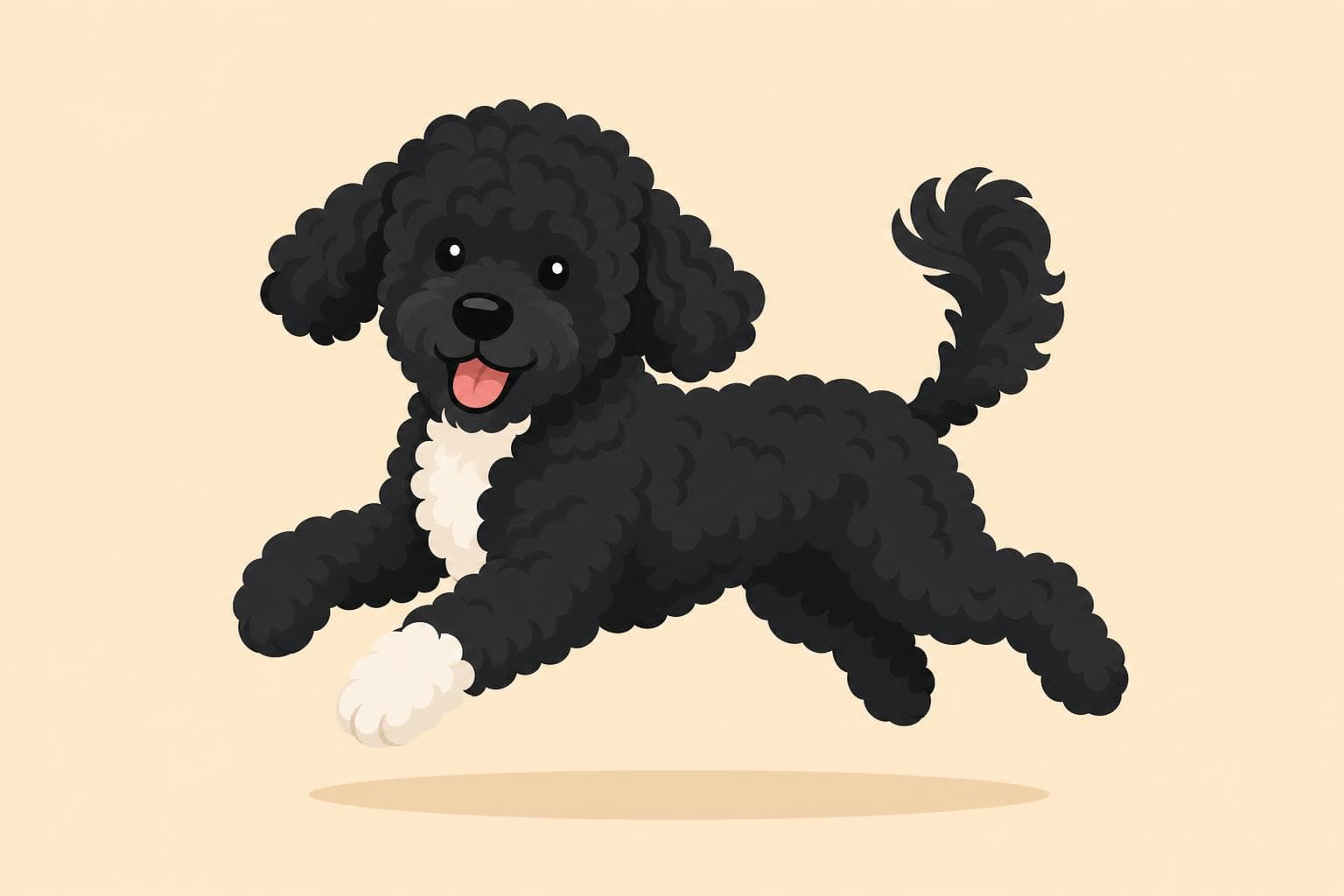
Portuguese Water Dogs are spirited, affectionate companions who thrive on being part of family life. Bred to work alongside Portuguese fishermen, they're whip-smart, eager to please, and genuinely love having a job to do — whether that's fetching the morning paper or helping kids burn off energy in the backyard. Expect a goofy, lovable companion who shadows their favorite humans from room to room and rarely misses a chance to splash in a puddle.
Behavior & traits
- gentle with kids
- highly trainable
- water loving
- people oriented
- playful clown
Health concerns
Portuguese Water Dogs are generally healthy, but families should be aware of hip dysplasia, progressive retinal atrophy (PRA), and a breed-specific condition called GM1 storage disease. Responsible breeders test for these genetic conditions, so always ask to see health clearances. Routine vet checkups and a healthy weight go a long way toward keeping this active breed thriving.
Responsible breeding and regular check-ups go a long way. Always ask breeders about health testing.
Feeding & nutrition
Feed a high-quality diet formulated for medium-sized, active dogs, typically 2–3 cups of kibble split into two meals daily. Because Porties are food-motivated and can gain weight quickly when exercise dips, measure portions carefully and use treats thoughtfully during training. Fresh water should always be available — especially after their beloved swimming sessions.
Exercise needs
Plan on at least 60–90 minutes of daily activity, including walks, fetch, swimming, or off-leash romps. These dogs were built to work in water all day, so they have stamina to spare and love active families who hike, paddle, or play in the yard. Mental exercise matters just as much — puzzle toys, training games, and trick sessions help prevent boredom-driven mischief.
Living with a Portuguese Water Dog
Living with a Portuguese Water Dog means having a four-legged shadow who wants to be wherever you are — including the bathroom. Mornings often start with an enthusiastic greeting and a request for activity, and families quickly learn that a tired Portie is a well-behaved Portie. They're fantastic with kids, often patient with toddlers and matched in energy with older children, though their exuberance means small ones can occasionally get bowled over during play. Expect some quirky habits: counter-surfing, 'collecting' household items like socks or shoes, and a deep, unshakable love of water that turns every bath, sprinkler, and mud puddle into an event. By evening, they're happy to curl up beside you on the couch, leaning in for affection like the velcro dogs they truly are.
Recommended products
Invest in a quality slicker brush, metal comb, and grooming scissors — or budget for a professional groomer every 4–6 weeks, since their curly or wavy coat mats easily. A sturdy front-clip harness helps manage their pulling enthusiasm on walks, and a long-line leash is great for beach or lake outings. Puzzle feeders, durable fetch toys, and floating water toys will keep their busy minds and bodies satisfied, while a raised feeder and large stainless steel water bowl handle their hearty appetite and post-swim hydration.
Reads for Portuguese Water Dog owners
![[header] A bright-eyed retriever sitting attentively during a trainin](/_next/image?url=https%3A%2F%2Fimages.ctfassets.net%2Fq8y32akc6zms%2FbyFKA75qo2eOoVldguoMJ%2F242d87d316d4088fdd998979443448de%2Fheader.jpg&w=3840&q=75)
The Honor-Roll Hound: The Dog Who Was Born to Learn
If your dog would rather train than nap and treats a puzzle feeder like a personal challenge, you may be living with an Honor-Roll Hound. This is the class valedictorian of the dog world — brainy, biddable, and built to work alongside you. Here's what makes them tick, and the owner styles that bring out their best.
![[header] Border Collie with puzzle toys](/_next/image?url=https%3A%2F%2Fimages.ctfassets.net%2Fq8y32akc6zms%2F7eTvC6qBF3gqDFvQSzcpXM%2Fa35b628bfd670bfc52bf4bcd532fc1b6%2Fheader.jpg&w=3840&q=75)
Engaging Activities for Border Collies: A How-To Guide
Is your Border Collie always on the lookout for something to do? Dive into engaging mental activities that will keep their sharp minds busy and entertained!
![[header] Senior dog resting on an orthopedic bed while a puppy waits](/_next/image?url=https%3A%2F%2Fimages.ctfassets.net%2Fq8y32akc6zms%2F4EwnObSBED8EN4IbvFJgaN%2Fc15a1446d531fd28d8e6854c46c3de7f%2Fheader.jpg&w=3840&q=75)
Before the Puppy Arrives: A Pre-Arrival Checklist for Your Senior Dog
Your calm senior dog has been quietly compensating for aches, stiffness, and fading senses for years — and a new puppy is about to expose all of it. This pre-arrival checklist walks you through the vet workup, pain baseline, and home setup to tackle in the weeks *before* pickup day, so your older dog isn't blindsided by the chaos.