Pug
Pugs are little clowns with big hearts — they thrive on being part of the family and love nothing more than soaking up attention from everyone in the household. They're known for their goofy, expressive personalities and a calm-but-playful balance that makes them wonderful companions for kids and adults alike. While they enjoy short bursts of play, they're equally happy curled up on the couch beside their favorite people. Most Pugs are gentle, patient, and rarely aggressive, making them a popular pick for first-time dog families.
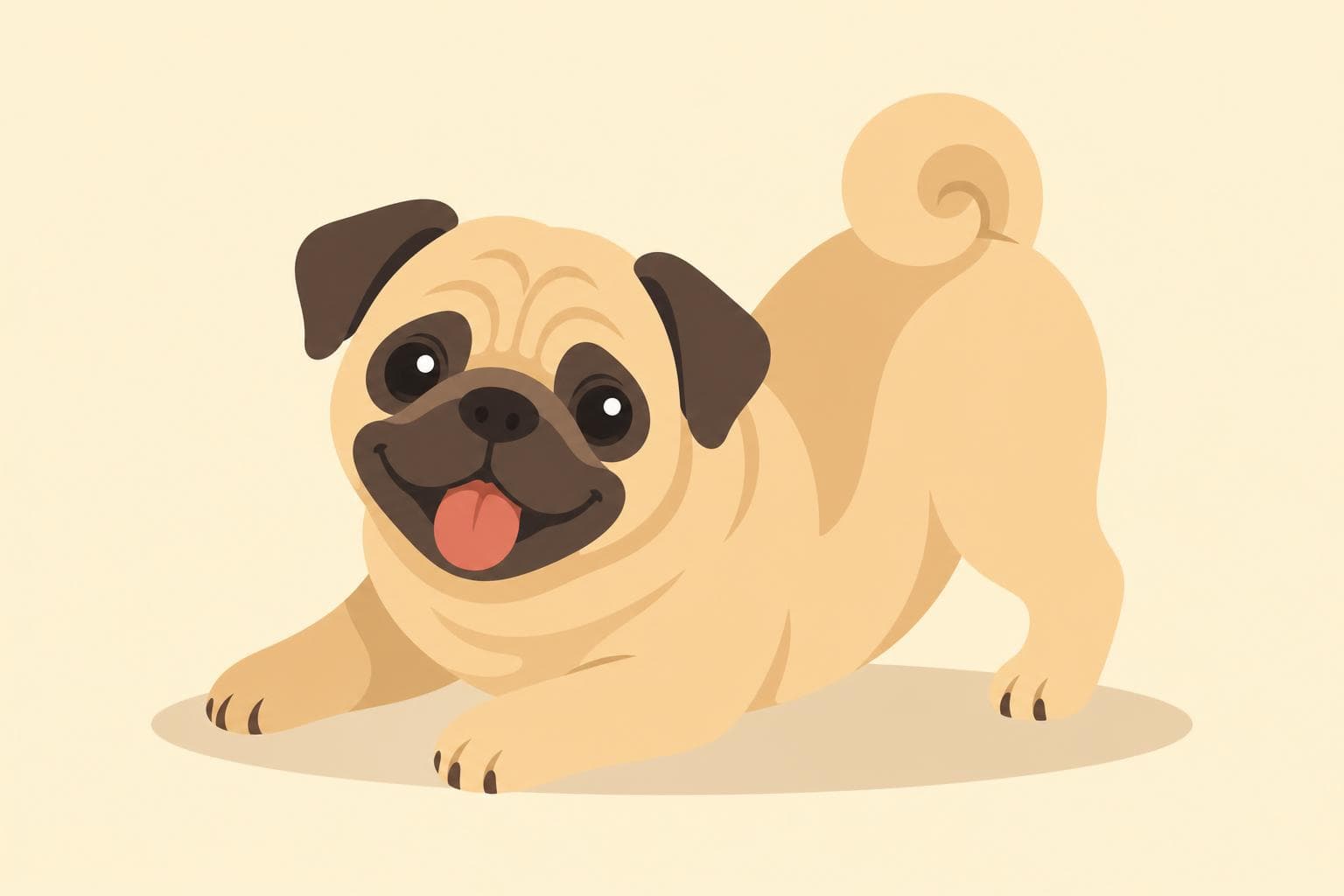
Behavior & traits
- affectionate with kids
- loves company
- comical
- adaptable
- people pleasing
Health concerns
Pugs are a brachycephalic (flat-faced) breed, which means they can struggle with breathing, overheating, and exercise intolerance, especially in hot or humid weather. Families should also watch for eye injuries, skin fold infections, hip dysplasia, and a tendency toward obesity, which makes regular vet checkups essential. Choosing a responsible breeder and keeping your Pug at a healthy weight goes a long way toward a longer, more comfortable life.
Responsible breeding and regular check-ups go a long way. Always ask breeders about health testing.
Feeding & nutrition
Pugs love food a little too much, so portion control is key — measured meals twice a day usually work better than free-feeding. Look for a high-quality small-breed formula with balanced protein and limited fillers, and keep treats minimal during training. Because they're prone to weight gain, even small extras from the family dinner table can add up quickly.
Exercise needs
Pugs need moderate daily exercise — usually two short walks and some indoor play will keep them happy and healthy. Avoid strenuous activity in hot or humid weather, since their flat faces make it hard to cool down. Kids can easily get involved with gentle games of fetch, puzzle toys, or short backyard play sessions.
Living with a Pug
Living with a Pug is a daily dose of joy, snorts, and snuggles. They follow their people from room to room, often becoming the unofficial shadow of whoever is home, and they have a knack for making the whole family laugh with their expressive faces and silly antics. Expect some quirks: snoring, snuffling, and a surprising amount of shedding for such a small dog. They're generally easygoing with children and other pets, though they can be a bit stubborn during training — food motivation and patience go a long way. Most families are pleasantly surprised by how adaptable Pugs are, fitting just as well into a busy household with kids as into a quiet apartment with a senior.
Recommended products
A no-pull harness is a must for Pugs, since their flat faces make collars risky on their airways. Invest in a soft slicker brush and grooming wipes to manage shedding and clean those adorable facial folds, plus a slow-feeder bowl to prevent gulping and help with weight management. Cooling mats and a sturdy set of pet stairs (to protect their backs from jumping off couches) round out the essentials for a happy, healthy Pug household.
Reads for Pug owners
![[header] Row of six dogs from behind showing different tail shapes: c](/_next/image?url=https%3A%2F%2Fimages.ctfassets.net%2Fq8y32akc6zms%2F5nZnsETzgmjI9IRFWlh9Iq%2F64d1c62b2a2507a1e8960c07c7e18ffd%2Fheader.jpg&w=3840&q=75)
Reading Your Dog's Tail When It Doesn't Wag by the Book
If your dog has a curly, nubby, sickle, or docked tail, the standard 'low wag means happy' chart was never built for them. Here's how neutral, alert, and anxious actually look on Pugs, Corgis, Huskies, Boxers, and more — plus the secondary signals (hips, hackles, base tension) that fill in the gaps the tail can't.
![[header] Border Collie with puzzle toys](/_next/image?url=https%3A%2F%2Fimages.ctfassets.net%2Fq8y32akc6zms%2F7eTvC6qBF3gqDFvQSzcpXM%2Fa35b628bfd670bfc52bf4bcd532fc1b6%2Fheader.jpg&w=3840&q=75)
Engaging Activities for Border Collies: A How-To Guide
Is your Border Collie always on the lookout for something to do? Dive into engaging mental activities that will keep their sharp minds busy and entertained!
![[header] Senior dog resting on an orthopedic bed while a puppy waits](/_next/image?url=https%3A%2F%2Fimages.ctfassets.net%2Fq8y32akc6zms%2F4EwnObSBED8EN4IbvFJgaN%2Fc15a1446d531fd28d8e6854c46c3de7f%2Fheader.jpg&w=3840&q=75)
Before the Puppy Arrives: A Pre-Arrival Checklist for Your Senior Dog
Your calm senior dog has been quietly compensating for aches, stiffness, and fading senses for years — and a new puppy is about to expose all of it. This pre-arrival checklist walks you through the vet workup, pain baseline, and home setup to tackle in the weeks *before* pickup day, so your older dog isn't blindsided by the chaos.