Pumi
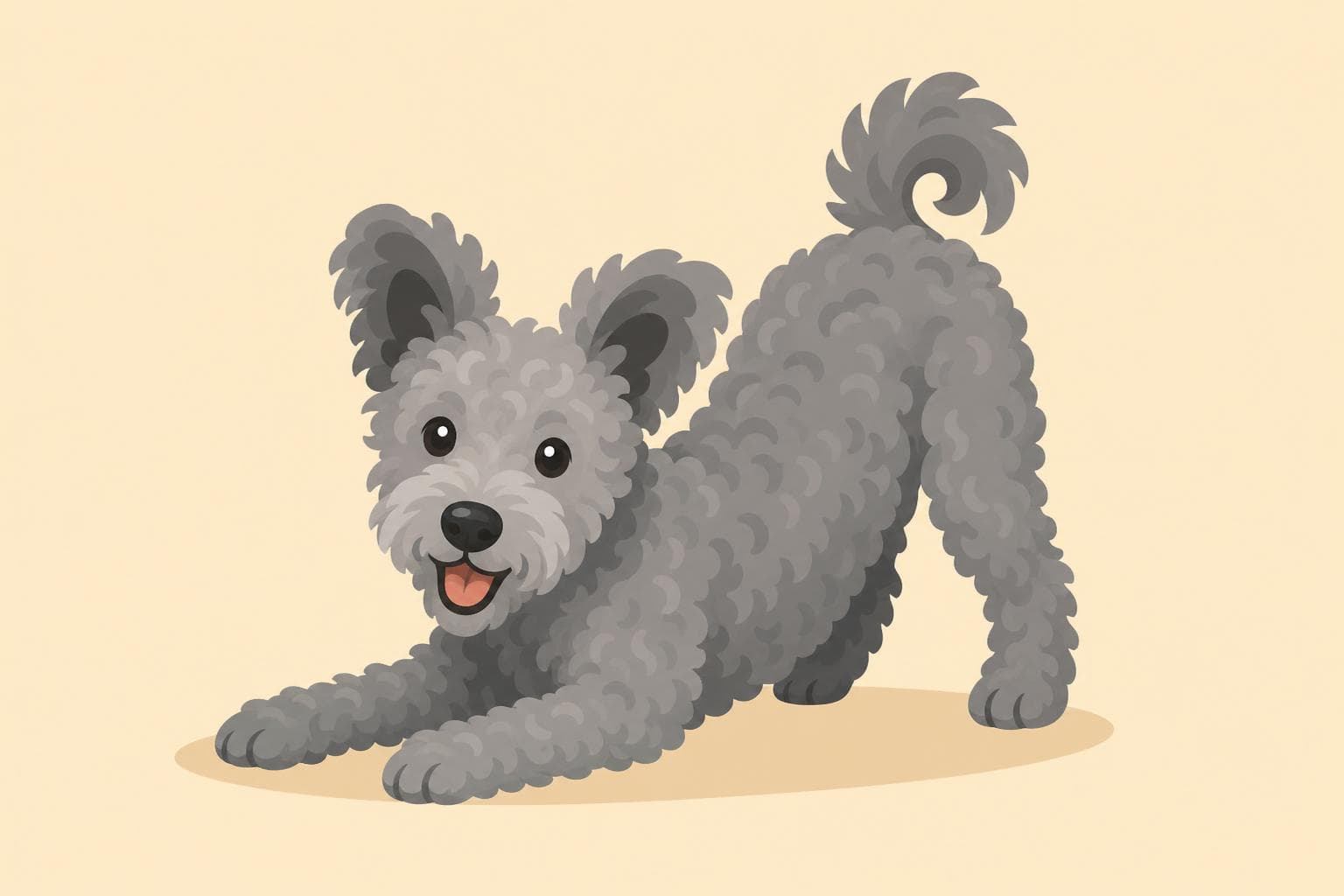
The Pumi is a bright, bouncy Hungarian herding dog with an unmistakable curly coat and perky ears that give them a perpetually curious expression. They form deep bonds with their families and love being right in the middle of household activity, whether that's helping unload groceries or supervising homework. Pumis are naturally alert and will let you know when someone is at the door — they're enthusiastic barkers, which is worth knowing upfront. With their people, they're affectionate, silly, and endlessly entertaining.
Behavior & traits
- bonded to family
- alert watchdog
- playful with kids
- quick learner
- vocal
Health concerns
Pumis are generally a hardy breed, but families should be aware of hip dysplasia, patellar luxation, and degenerative myelopathy, which can appear in the lines. Eye conditions like primary lens luxation are also worth screening for. Reputable breeders test their dogs, so ask about health clearances before bringing a puppy home.
Responsible breeding and regular check-ups go a long way. Always ask breeders about health testing.
Feeding & nutrition
A high-quality dog food appropriate for an active medium breed works well, typically 1 to 2 cups per day split into two meals. Because Pumis are athletic and busy, they do best on food with good protein content to fuel their energy. Watch portions carefully — their fluffy coat can hide weight gain, and lean Pumis stay healthier and more agile.
Exercise needs
Pumis need at least an hour of active exercise daily, ideally combined with mental challenges like training games, puzzle toys, or dog sports. Families can meet these needs with brisk walks, fetch sessions, agility, or herding trials — this breed thrives when given a job. A bored Pumi will invent their own entertainment, so consistent activity is key.
Living with a Pumi
Living with a Pumi means sharing your home with a charming, opinionated shadow who wants to be involved in everything you do. Mornings often start with an enthusiastic greeting and a quick patrol of the yard, followed by a day of checking in on family members, alerting you to passing squirrels, and angling for play sessions. They're wonderful with children they've grown up with, often becoming a child's best playmate, though their herding instincts may prompt them to nudge or circle running kids — easily managed with gentle training. Expect some barking; this is a vocal breed that communicates frequently, which families either find endearing or learn to redirect. By evening, a well-exercised Pumi happily curls up nearby, content to be part of the family wind-down.
Recommended products
A slicker brush and metal comb are essential for maintaining the Pumi's signature curly coat, which needs weekly brushing and occasional wetting-and-scrunching to keep its texture. A sturdy front-clip harness helps with leash training, since Pumis can be enthusiastic pullers when something catches their interest. Invest in puzzle toys, snuffle mats, and treat-dispensing balls to keep their busy minds engaged, plus a few durable tug and fetch toys for active play sessions with the kids.
Reads for Pumi owners
![[header] Border Collie with puzzle toys](/_next/image?url=https%3A%2F%2Fimages.ctfassets.net%2Fq8y32akc6zms%2F7eTvC6qBF3gqDFvQSzcpXM%2Fa35b628bfd670bfc52bf4bcd532fc1b6%2Fheader.jpg&w=3840&q=75)
Engaging Activities for Border Collies: A How-To Guide
Is your Border Collie always on the lookout for something to do? Dive into engaging mental activities that will keep their sharp minds busy and entertained!
![[header] Senior dog resting on an orthopedic bed while a puppy waits](/_next/image?url=https%3A%2F%2Fimages.ctfassets.net%2Fq8y32akc6zms%2F4EwnObSBED8EN4IbvFJgaN%2Fc15a1446d531fd28d8e6854c46c3de7f%2Fheader.jpg&w=3840&q=75)
Before the Puppy Arrives: A Pre-Arrival Checklist for Your Senior Dog
Your calm senior dog has been quietly compensating for aches, stiffness, and fading senses for years — and a new puppy is about to expose all of it. This pre-arrival checklist walks you through the vet workup, pain baseline, and home setup to tackle in the weeks *before* pickup day, so your older dog isn't blindsided by the chaos.
![[header] Small dog wearing a soft mesh harness walking on a sunny pat](/_next/image?url=https%3A%2F%2Fimages.ctfassets.net%2Fq8y32akc6zms%2F3p03PzT9zANgbTC9dAOMJ2%2Ff95efe8539856e9489ef9bd4e861c4ba%2Fheader.jpg&w=3840&q=75)
Comfortable Harnesses for Small Dogs Prone to Tracheal Collapse
Is your small dog coughing from their collar? Discover harnesses designed for pups prone to tracheal collapse, offering protection and comfort with every walk.