Pyrenean Shepherd
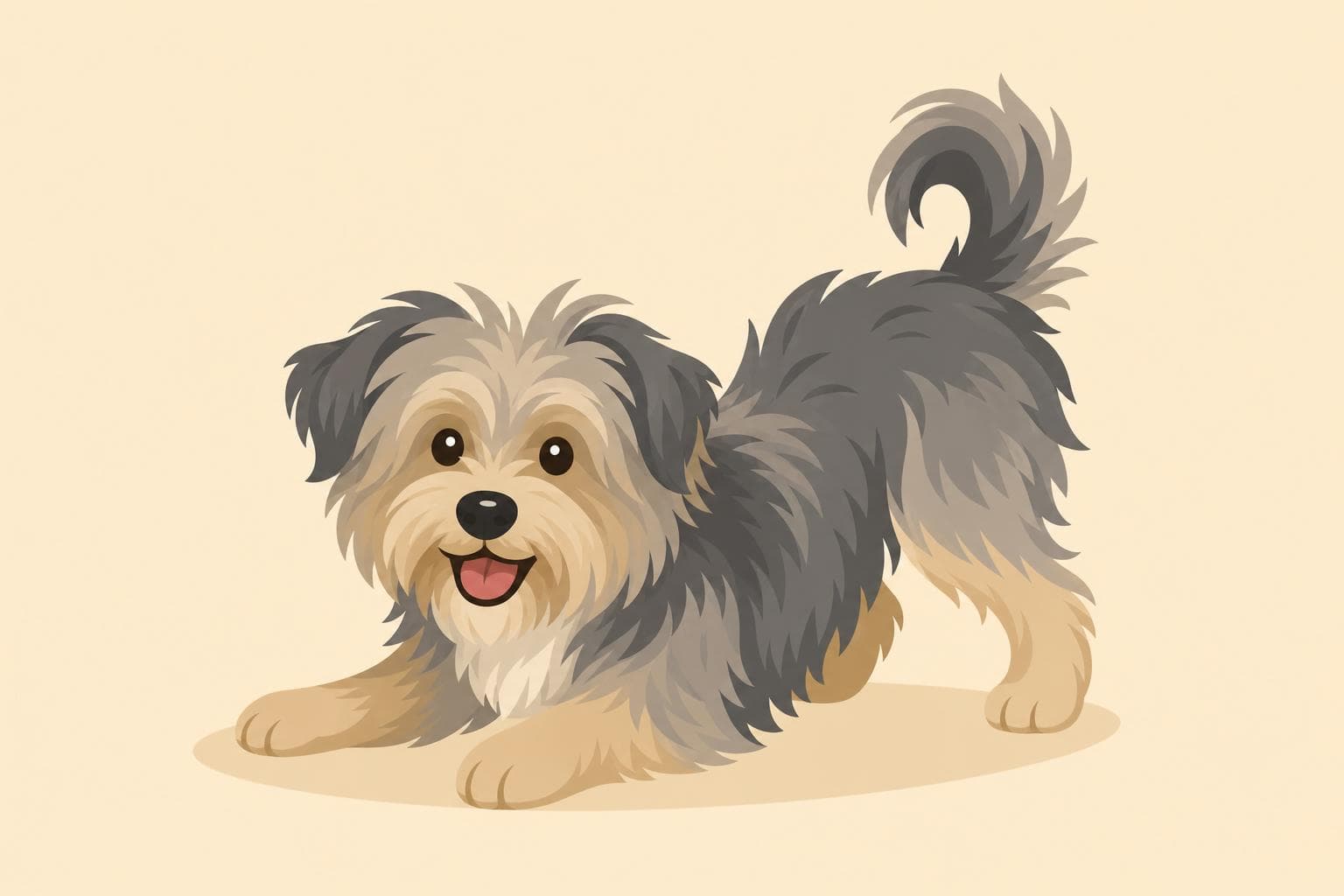
The Pyrenean Shepherd is a small but mighty bundle of energy with a huge heart for its family. Bred to work all day alongside shepherds in the French Pyrenees, this breed is intensely loyal, quick-thinking, and always tuned in to what its people are doing. At home, they're affectionate and playful, often forming an especially strong bond with one or two family members while staying friendly and engaged with the whole household.
Behavior & traits
- bonded to family
- playful with kids
- alert watchdog
- highly trainable
- wary of strangers
Health concerns
Pyrenean Shepherds are generally a hardy, long-lived breed with relatively few major health issues. Families should still watch for hip dysplasia, epilepsy, and eye conditions like progressive retinal atrophy and patent ductus arteriosus. Regular vet checkups and buying from a responsible breeder who screens parents can go a long way toward a healthy lifetime.
Responsible breeding and regular check-ups go a long way. Always ask breeders about health testing.
Feeding & nutrition
Despite their small size, these dogs burn a lot of calories, so they do best on a high-quality diet formulated for active small-to-medium breeds. Most adults thrive on two measured meals a day to keep their energy steady and prevent weight gain during quieter seasons. Always provide plenty of fresh water, especially after play sessions or training.
Exercise needs
This is a high-octane herding breed that needs at least 1–2 hours of vigorous activity daily, plus mental stimulation. Families can meet those needs with long walks, hikes, fetch, agility, flyball, or backyard training games — anything that lets them run and think. Without enough outlet, they can become barky, nippy, or mischievous, so consistent daily exercise is non-negotiable.
Living with a Pyrenean Shepherd
Living with a Pyrenean Shepherd is like having a tiny, tireless coworker shadowing you all day — they want to be involved in everything. They're wonderful with children they've grown up with, often becoming devoted playmates, though their herding instincts mean they may try to gently corral running toddlers, so supervision and redirection help. Expect a vocal, expressive dog who will alert you to every delivery driver, squirrel, and family member coming home. They can be reserved or even shy around strangers, so early socialization is key, and they thrive in homes where someone is around often rather than long stretches alone. Families who love active lifestyles — hiking weekends, agility classes, backyard games — will find this breed an unforgettable companion.
Recommended products
A well-fitted Y-shaped harness and a sturdy 6-foot leash are essentials for daily walks and training, since these agile dogs love to move. Invest in a slicker brush and metal comb to manage their rough or smooth coat and prevent matting behind the ears and legs. Puzzle feeders, snuffle mats, and durable tug or fetch toys are lifesavers for burning off mental energy on rainy days. Finally, consider enrolling in agility or trick-training classes — the right gear matters less than giving this breed a job to do.
Reads for Pyrenean Shepherd owners
![[header] Border Collie with puzzle toys](/_next/image?url=https%3A%2F%2Fimages.ctfassets.net%2Fq8y32akc6zms%2F7eTvC6qBF3gqDFvQSzcpXM%2Fa35b628bfd670bfc52bf4bcd532fc1b6%2Fheader.jpg&w=3840&q=75)
Engaging Activities for Border Collies: A How-To Guide
Is your Border Collie always on the lookout for something to do? Dive into engaging mental activities that will keep their sharp minds busy and entertained!
![[header] Senior dog resting on an orthopedic bed while a puppy waits](/_next/image?url=https%3A%2F%2Fimages.ctfassets.net%2Fq8y32akc6zms%2F4EwnObSBED8EN4IbvFJgaN%2Fc15a1446d531fd28d8e6854c46c3de7f%2Fheader.jpg&w=3840&q=75)
Before the Puppy Arrives: A Pre-Arrival Checklist for Your Senior Dog
Your calm senior dog has been quietly compensating for aches, stiffness, and fading senses for years — and a new puppy is about to expose all of it. This pre-arrival checklist walks you through the vet workup, pain baseline, and home setup to tackle in the weeks *before* pickup day, so your older dog isn't blindsided by the chaos.
![[header] Small dog wearing a soft mesh harness walking on a sunny pat](/_next/image?url=https%3A%2F%2Fimages.ctfassets.net%2Fq8y32akc6zms%2F3p03PzT9zANgbTC9dAOMJ2%2Ff95efe8539856e9489ef9bd4e861c4ba%2Fheader.jpg&w=3840&q=75)
Comfortable Harnesses for Small Dogs Prone to Tracheal Collapse
Is your small dog coughing from their collar? Discover harnesses designed for pups prone to tracheal collapse, offering protection and comfort with every walk.