Rat Terrier
Rat Terriers are bright, busy little dogs with huge personalities packed into a compact frame. They form deep bonds with their families and often shadow their favorite humans from room to room, eager to be part of whatever is happening. With kids, they're typically playful and patient companions, especially when raised alongside them, though their terrier spunk means they thrive on engagement rather than being left to entertain themselves.
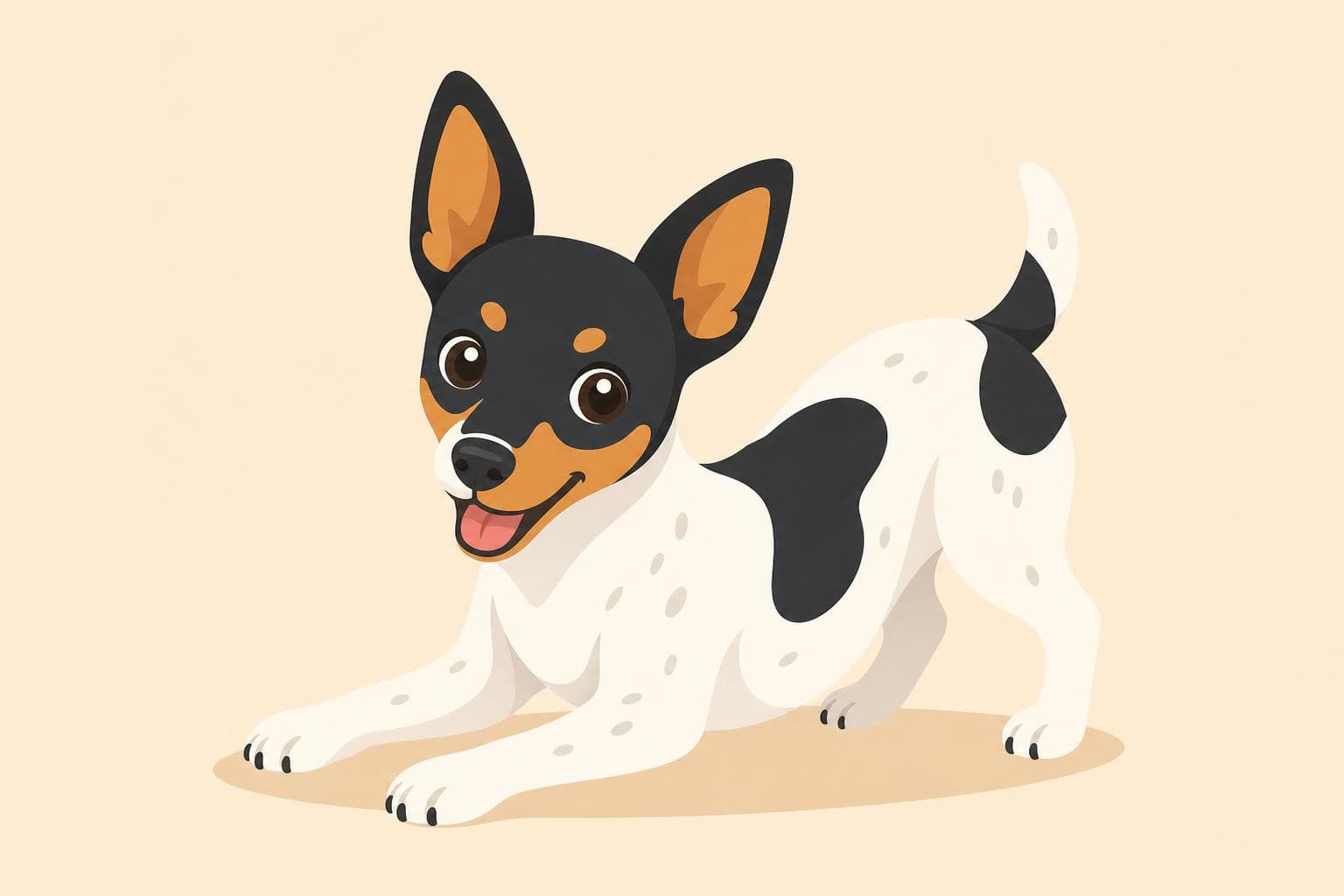
Behavior & traits
- devoted to family
- great with kids
- spirited
- curious
- watchful
Health concerns
Rat Terriers are generally a hardy, long-lived breed with fewer genetic issues than many purebreds. Families should still watch for patellar luxation, hip dysplasia, allergies, and dental concerns, which are common in smaller dogs. Routine vet checkups and good dental care go a long way toward keeping them healthy into their teens.
Responsible breeding and regular check-ups go a long way. Always ask breeders about health testing.
Feeding & nutrition
A high-quality small-breed kibble or balanced fresh food works well, typically split into two measured meals a day to prevent begging and weight gain. Because they're active and food-motivated, portion control matters — Rat Terriers can pack on pounds quickly if treats aren't counted. Always keep fresh water available, especially after play sessions in the yard.
Exercise needs
Don't let the size fool you — Rat Terriers need about 45–60 minutes of activity daily, mixing brisk walks, backyard play, and mental challenges. Families can easily meet these needs through fetch games, tug, agility play, or letting them tag along on bike rides and hikes. A tired Rat Terrier is a well-behaved Rat Terrier, so consistent daily activity is key.
Living with a Rat Terrier
Living with a Rat Terrier means having a small, devoted shadow who's always ready for the next adventure — whether that's a hike, a couch cuddle, or supervising you while you cook dinner. They're surprisingly versatile, switching from zoomies around the living room to napping in a sunny spot within minutes. Families are often charmed by their expressive faces, clever problem-solving (sometimes too clever — they can figure out latches and trash cans), and their watchdog tendencies, as they'll alert you to every delivery driver. They do best when included in family life rather than left alone for long stretches, and they tend to pick a favorite person while still loving everyone in the household. Expect a dog who's playful with the kids, curious about every squirrel, and unexpectedly snuggly under the blankets at bedtime.
Recommended products
A well-fitted Y-shaped harness is essential, since Rat Terriers are quick, agile, and prone to lunging after small critters on walks. Invest in puzzle toys, snuffle mats, and durable squeaky toys to keep their sharp minds engaged, plus a sturdy flirt pole for backyard chase games that satisfy their prey drive. A cozy covered bed or blanket is a must — they love to burrow — and a slicker brush or grooming mitt handles their short coat shedding with minimal fuss.
Reads for Rat Terrier owners
![[header] Border Collie with puzzle toys](/_next/image?url=https%3A%2F%2Fimages.ctfassets.net%2Fq8y32akc6zms%2F7eTvC6qBF3gqDFvQSzcpXM%2Fa35b628bfd670bfc52bf4bcd532fc1b6%2Fheader.jpg&w=3840&q=75)
Engaging Activities for Border Collies: A How-To Guide
Is your Border Collie always on the lookout for something to do? Dive into engaging mental activities that will keep their sharp minds busy and entertained!
![[header] Senior dog resting on an orthopedic bed while a puppy waits](/_next/image?url=https%3A%2F%2Fimages.ctfassets.net%2Fq8y32akc6zms%2F4EwnObSBED8EN4IbvFJgaN%2Fc15a1446d531fd28d8e6854c46c3de7f%2Fheader.jpg&w=3840&q=75)
Before the Puppy Arrives: A Pre-Arrival Checklist for Your Senior Dog
Your calm senior dog has been quietly compensating for aches, stiffness, and fading senses for years — and a new puppy is about to expose all of it. This pre-arrival checklist walks you through the vet workup, pain baseline, and home setup to tackle in the weeks *before* pickup day, so your older dog isn't blindsided by the chaos.
![[header] Small dog wearing a soft mesh harness walking on a sunny pat](/_next/image?url=https%3A%2F%2Fimages.ctfassets.net%2Fq8y32akc6zms%2F3p03PzT9zANgbTC9dAOMJ2%2Ff95efe8539856e9489ef9bd4e861c4ba%2Fheader.jpg&w=3840&q=75)
Comfortable Harnesses for Small Dogs Prone to Tracheal Collapse
Is your small dog coughing from their collar? Discover harnesses designed for pups prone to tracheal collapse, offering protection and comfort with every walk.