Samoyed
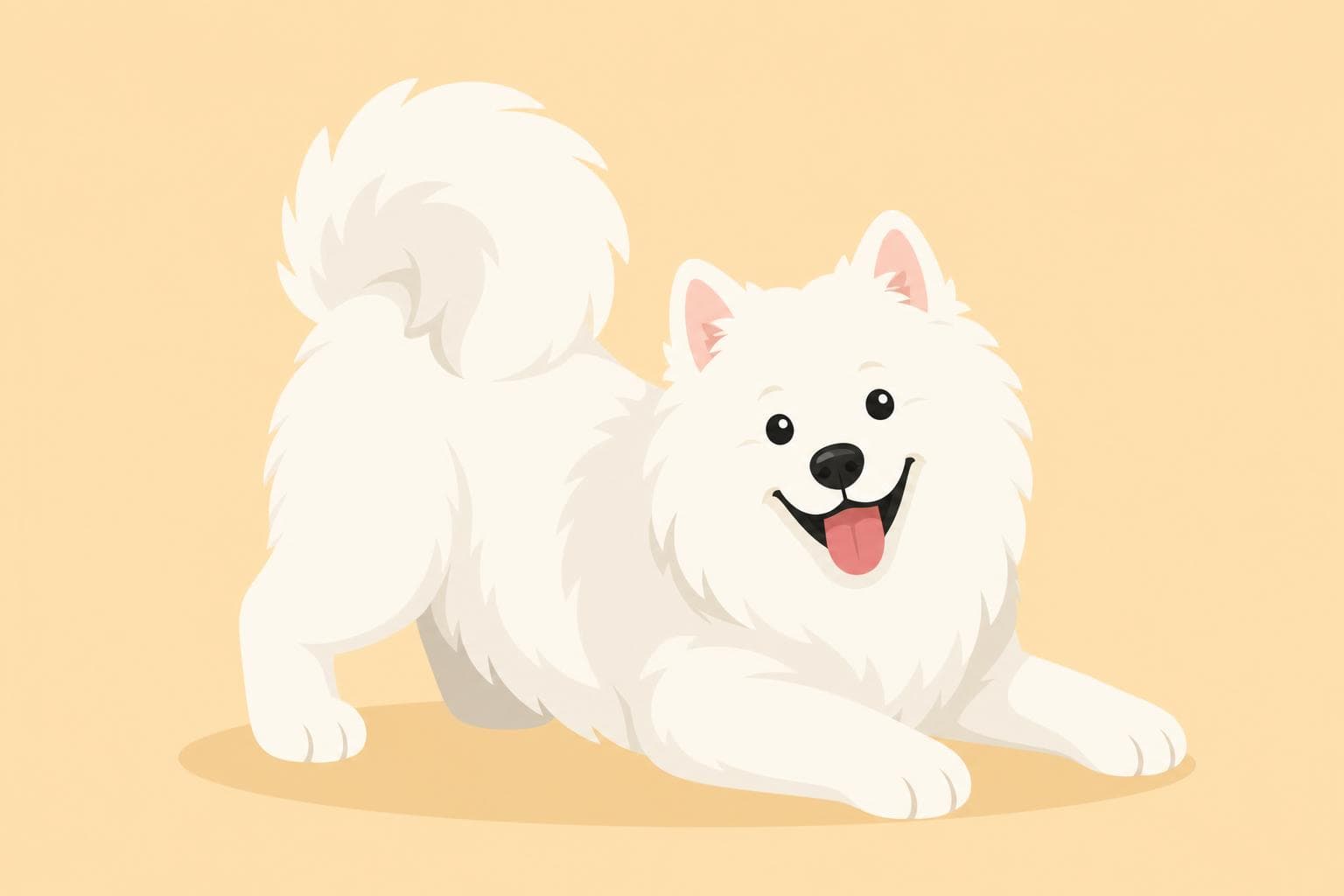
Samoyeds are famously sweet-natured dogs with a permanent smile that matches their sunny personality. Bred to live closely with their human families in harsh Siberian climates, they crave companionship and genuinely thrive when included in everyday life. They're playful, gentle with children, and tend to greet visitors like long-lost friends — though they'll happily 'talk' to you about their day with a range of woos, barks, and chatter.
Behavior & traits
- gentle with kids
- social butterfly
- vocal
- people loving
- playful
Health concerns
Samoyeds can be prone to hip dysplasia, progressive retinal atrophy, and a hereditary kidney condition known as Samoyed hereditary glomerulopathy. Diabetes and certain heart issues also appear in the breed, so regular vet checkups and bloodwork are important. Choosing a reputable breeder who health-tests their dogs goes a long way toward a healthy companion.
Responsible breeding and regular check-ups go a long way. Always ask breeders about health testing.
Feeding & nutrition
Most Samoyeds do well on a high-quality dog food formulated for active medium-to-large breeds, typically 2–3 cups split into two meals daily. Because they can be prone to weight gain when under-exercised, measuring portions and limiting table scraps is key. Fresh water should always be available, especially after their energetic play sessions.
Exercise needs
Plan on at least 60–90 minutes of daily exercise, including brisk walks, hikes, fetch, or backyard play with the kids. Samoyeds love having a 'job' and enjoy activities like agility, sledding, or even pulling a child's wagon. Without enough activity, they can become bored barkers and creative diggers — so an active family lifestyle suits them best.
Living with a Samoyed
Living with a Samoyed means living with a fluffy, smiling shadow who wants to be wherever the family is — kitchen, couch, or backyard. Expect a lot of fur, especially during their twice-yearly 'coat blows' when tumbleweeds of white fluff drift through the house no matter how often you vacuum. They're chatty dogs who'll greet you with happy 'woo-woos,' and they form deep bonds with kids, often appointing themselves gentle playmates and watchful companions. They don't love being left alone for long stretches, so families who are home often or can bring them along will see the best of this breed. In return, you get a joyful, affectionate dog whose endless smile genuinely brightens daily life.
Recommended products
A sturdy undercoat rake and slicker brush are non-negotiable for managing that thick double coat, along with a high-velocity dryer if you want to stay ahead of shedding season. Invest in a no-pull harness for walks since Samoyeds were bred to pull, and stock up on durable chew toys and puzzle feeders to keep their busy minds engaged. A raised stainless steel food and water bowl set helps with posture and hygiene, and a cooling mat is a thoughtful addition for warmer months since their thick coat makes summer heat a real consideration.
Reads for Samoyed owners
![[header] Border Collie with puzzle toys](/_next/image?url=https%3A%2F%2Fimages.ctfassets.net%2Fq8y32akc6zms%2F7eTvC6qBF3gqDFvQSzcpXM%2Fa35b628bfd670bfc52bf4bcd532fc1b6%2Fheader.jpg&w=3840&q=75)
Engaging Activities for Border Collies: A How-To Guide
Is your Border Collie always on the lookout for something to do? Dive into engaging mental activities that will keep their sharp minds busy and entertained!
![[header] Senior dog resting on an orthopedic bed while a puppy waits](/_next/image?url=https%3A%2F%2Fimages.ctfassets.net%2Fq8y32akc6zms%2F4EwnObSBED8EN4IbvFJgaN%2Fc15a1446d531fd28d8e6854c46c3de7f%2Fheader.jpg&w=3840&q=75)
Before the Puppy Arrives: A Pre-Arrival Checklist for Your Senior Dog
Your calm senior dog has been quietly compensating for aches, stiffness, and fading senses for years — and a new puppy is about to expose all of it. This pre-arrival checklist walks you through the vet workup, pain baseline, and home setup to tackle in the weeks *before* pickup day, so your older dog isn't blindsided by the chaos.
![[header] Small dog wearing a soft mesh harness walking on a sunny pat](/_next/image?url=https%3A%2F%2Fimages.ctfassets.net%2Fq8y32akc6zms%2F3p03PzT9zANgbTC9dAOMJ2%2Ff95efe8539856e9489ef9bd4e861c4ba%2Fheader.jpg&w=3840&q=75)
Comfortable Harnesses for Small Dogs Prone to Tracheal Collapse
Is your small dog coughing from their collar? Discover harnesses designed for pups prone to tracheal collapse, offering protection and comfort with every walk.