Schipperke
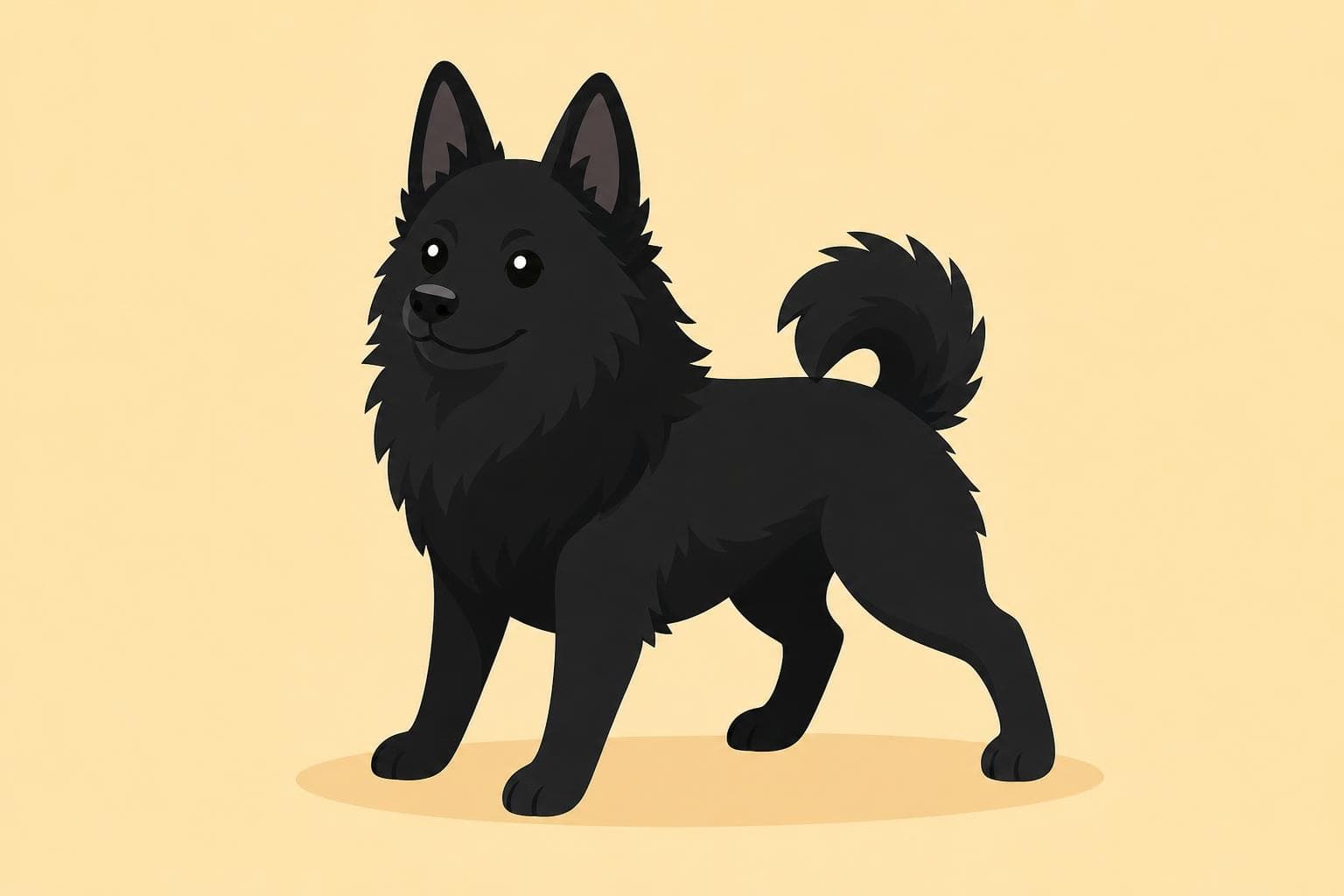
Schipperkes are big personalities packed into small black bodies — often nicknamed 'little black devils' for their playful mischief. They're devoted to their families, naturally curious about everything happening in the home, and quick to alert you to any visitor at the door. Expect a confident, sometimes stubborn companion who thrives on being involved in family activities rather than left on the sidelines.
Behavior & traits
- alert watchdog
- good with older kids
- intelligent
- independent minded
- spirited
Health concerns
Schipperkes are generally hardy little dogs, but families should watch for hip dysplasia, luxating patellas, and certain eye conditions like progressive retinal atrophy. A rare inherited condition called MPS IIIB can occur in the breed, so reputable breeders test for it. Regular vet checkups and dental care help this long-lived breed thrive into their teens.
Responsible breeding and regular check-ups go a long way. Always ask breeders about health testing.
Feeding & nutrition
Feed a high-quality small-breed formula divided into two meals per day, typically around 3/4 to 1 cup total depending on activity level. Schipperkes can easily gain weight if overfed, so measure portions and limit table scraps — those pleading eyes are convincing but deceptive. Fresh water should always be available, especially after their energetic play sessions.
Exercise needs
Despite their small size, Schipperkes need a solid hour of daily exercise plus mental stimulation to stay happy. Families can meet this with brisk walks, backyard fetch, puzzle toys, and training games — they especially love having a job to do. A bored Schipperke is a noisy, mischievous Schipperke, so consistent activity is key.
Living with a Schipperke
Living with a Schipperke means sharing your home with a tiny watchdog who believes it's their personal duty to know everything happening on the property. They're affectionate with their people, often forming a strong bond with the whole family while still having favorites. Expect some barking — they're vocal alerters by nature — and a stubborn streak that makes training feel like a negotiation some days. They shed in seasonal 'blows' twice a year that can surprise first-time owners, but their day-to-day grooming is manageable. Families often say their Schipperke keeps them laughing daily with antics, zoomies, and an uncanny ability to find trouble in the most ordinary corners of the house.
Recommended products
A sturdy slicker brush and undercoat rake are essential for managing their double coat, especially during shedding season. Invest in a well-fitted harness rather than a collar for walks, since Schipperkes are escape artists who can slip leashes easily. Puzzle feeders, treat-dispensing toys, and durable chew toys help channel their busy minds, and a secure baby gate or exercise pen is invaluable for keeping curious noses out of mischief while you're cooking or working.
Reads for Schipperke owners
![[header] Border Collie with puzzle toys](/_next/image?url=https%3A%2F%2Fimages.ctfassets.net%2Fq8y32akc6zms%2F7eTvC6qBF3gqDFvQSzcpXM%2Fa35b628bfd670bfc52bf4bcd532fc1b6%2Fheader.jpg&w=3840&q=75)
Engaging Activities for Border Collies: A How-To Guide
Is your Border Collie always on the lookout for something to do? Dive into engaging mental activities that will keep their sharp minds busy and entertained!
![[header] Senior dog resting on an orthopedic bed while a puppy waits](/_next/image?url=https%3A%2F%2Fimages.ctfassets.net%2Fq8y32akc6zms%2F4EwnObSBED8EN4IbvFJgaN%2Fc15a1446d531fd28d8e6854c46c3de7f%2Fheader.jpg&w=3840&q=75)
Before the Puppy Arrives: A Pre-Arrival Checklist for Your Senior Dog
Your calm senior dog has been quietly compensating for aches, stiffness, and fading senses for years — and a new puppy is about to expose all of it. This pre-arrival checklist walks you through the vet workup, pain baseline, and home setup to tackle in the weeks *before* pickup day, so your older dog isn't blindsided by the chaos.
![[header] Small dog wearing a soft mesh harness walking on a sunny pat](/_next/image?url=https%3A%2F%2Fimages.ctfassets.net%2Fq8y32akc6zms%2F3p03PzT9zANgbTC9dAOMJ2%2Ff95efe8539856e9489ef9bd4e861c4ba%2Fheader.jpg&w=3840&q=75)
Comfortable Harnesses for Small Dogs Prone to Tracheal Collapse
Is your small dog coughing from their collar? Discover harnesses designed for pups prone to tracheal collapse, offering protection and comfort with every walk.