Shetland Sheepdog
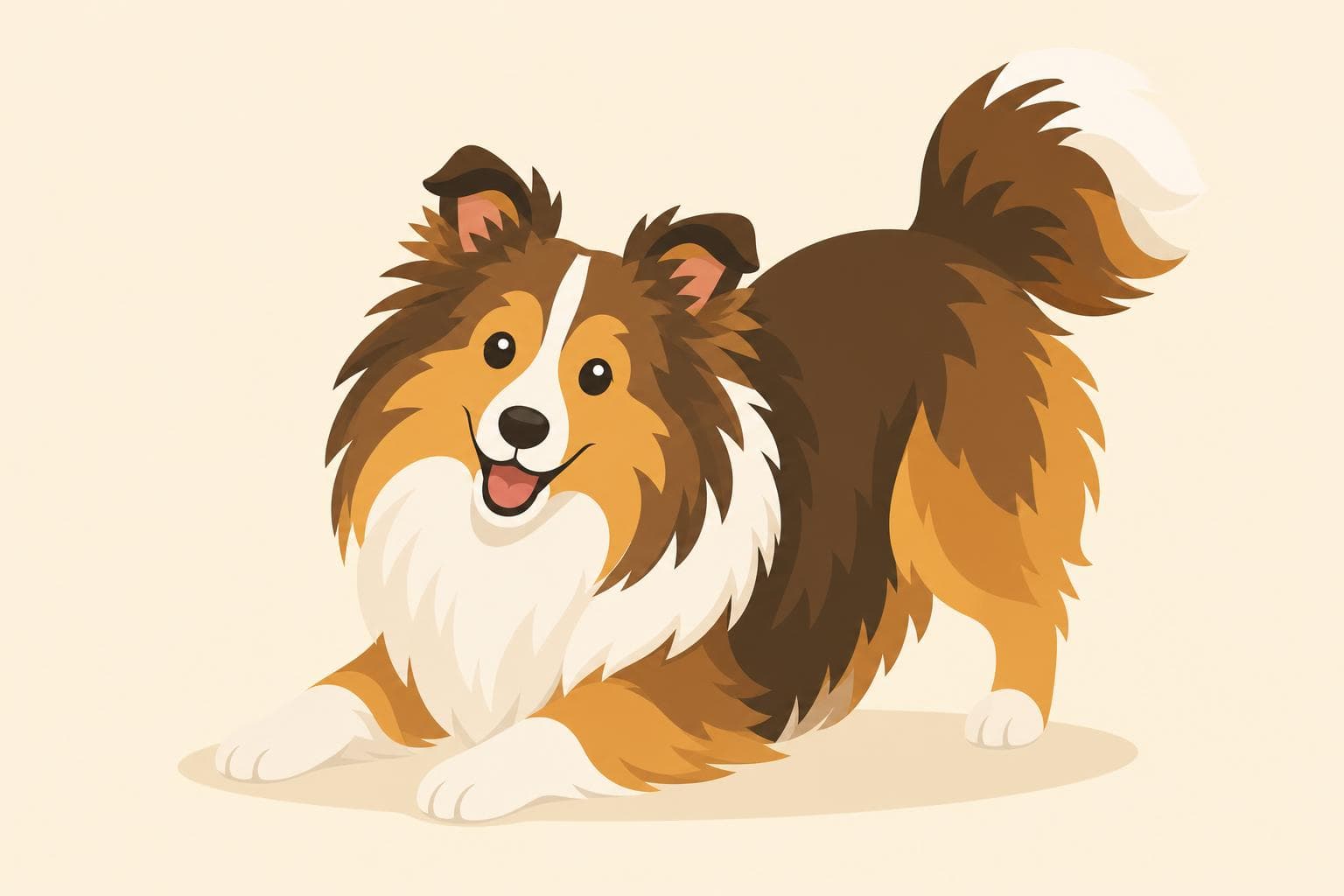
Shetland Sheepdogs, affectionately known as Shelties, are devoted family companions with a sweet, sensitive nature that makes them wonderful with children. They're whip-smart and eager to please, often shadowing their favorite humans from room to room. Bred to herd, they can be a bit barky and may try to 'round up' running kids, but with gentle guidance they channel that energy beautifully into family life.
Behavior & traits
- gentle with kids
- eager to please
- vocal
- highly trainable
- sensitive
Health concerns
Shelties can be prone to hereditary eye conditions like Collie Eye Anomaly and progressive retinal atrophy, as well as hip dysplasia and hypothyroidism. They also carry the MDR1 gene mutation, which affects how they process certain medications, so it's worth asking your vet about testing. Regular checkups and choosing a reputable breeder go a long way toward a healthy life.
Responsible breeding and regular check-ups go a long way. Always ask breeders about health testing.
Feeding & nutrition
A high-quality small-to-medium breed kibble, portioned to about ¾ to 1½ cups daily split into two meals, suits most Shelties well. They can gain weight easily if overfed or under-exercised, so measure meals and keep treats modest, especially during training-heavy puppy months. Fresh water and occasional omega-rich additions help keep that famous coat shiny.
Exercise needs
Shelties need about 45–60 minutes of active exercise each day, plus mental stimulation to keep their busy minds happy. Families can easily meet this with brisk walks, backyard fetch, and games like hide-and-seek or puzzle toys. They also shine at dog sports like agility and rally, which can be a fun weekend activity for older kids and parents alike.
Living with a Shetland Sheepdog
Living with a Sheltie is like having a furry, four-legged family member who genuinely wants to be part of everything you do. Expect a loyal shadow at your feet during homework time, an enthusiastic greeter at the door, and a watchful little 'announcer' who will alert you to every delivery driver and squirrel in a five-mile radius. They thrive on routine and gentle handling — harsh tones can hurt their sensitive feelings — but reward kindness with deep devotion. Daily brushing becomes a sweet bonding ritual (and a must, unless you want tumbleweeds of fur in every corner). Families often say their Sheltie just 'gets' the household, adjusting to kids' moods, school schedules, and lazy Sunday mornings with uncanny intuition.
Recommended products
A quality slicker brush and undercoat rake are non-negotiable for managing that gorgeous double coat and minimizing shedding around the house. A well-fitted Y-shaped harness protects their delicate necks on walks, and interactive puzzle toys or treat-dispensing balls help satisfy their sharp minds between activities. Consider a sturdy long-line leash for safe recall practice and a comfortable crate or cozy bed in a central spot, since Shelties love being near the family action.
Reads for Shetland Sheepdog owners
![[header] Border Collie with puzzle toys](/_next/image?url=https%3A%2F%2Fimages.ctfassets.net%2Fq8y32akc6zms%2F7eTvC6qBF3gqDFvQSzcpXM%2Fa35b628bfd670bfc52bf4bcd532fc1b6%2Fheader.jpg&w=3840&q=75)
Engaging Activities for Border Collies: A How-To Guide
Is your Border Collie always on the lookout for something to do? Dive into engaging mental activities that will keep their sharp minds busy and entertained!
![[header] Senior dog resting on an orthopedic bed while a puppy waits](/_next/image?url=https%3A%2F%2Fimages.ctfassets.net%2Fq8y32akc6zms%2F4EwnObSBED8EN4IbvFJgaN%2Fc15a1446d531fd28d8e6854c46c3de7f%2Fheader.jpg&w=3840&q=75)
Before the Puppy Arrives: A Pre-Arrival Checklist for Your Senior Dog
Your calm senior dog has been quietly compensating for aches, stiffness, and fading senses for years — and a new puppy is about to expose all of it. This pre-arrival checklist walks you through the vet workup, pain baseline, and home setup to tackle in the weeks *before* pickup day, so your older dog isn't blindsided by the chaos.
![[header] Small dog wearing a soft mesh harness walking on a sunny pat](/_next/image?url=https%3A%2F%2Fimages.ctfassets.net%2Fq8y32akc6zms%2F3p03PzT9zANgbTC9dAOMJ2%2Ff95efe8539856e9489ef9bd4e861c4ba%2Fheader.jpg&w=3840&q=75)
Comfortable Harnesses for Small Dogs Prone to Tracheal Collapse
Is your small dog coughing from their collar? Discover harnesses designed for pups prone to tracheal collapse, offering protection and comfort with every walk.