Shiba Inu
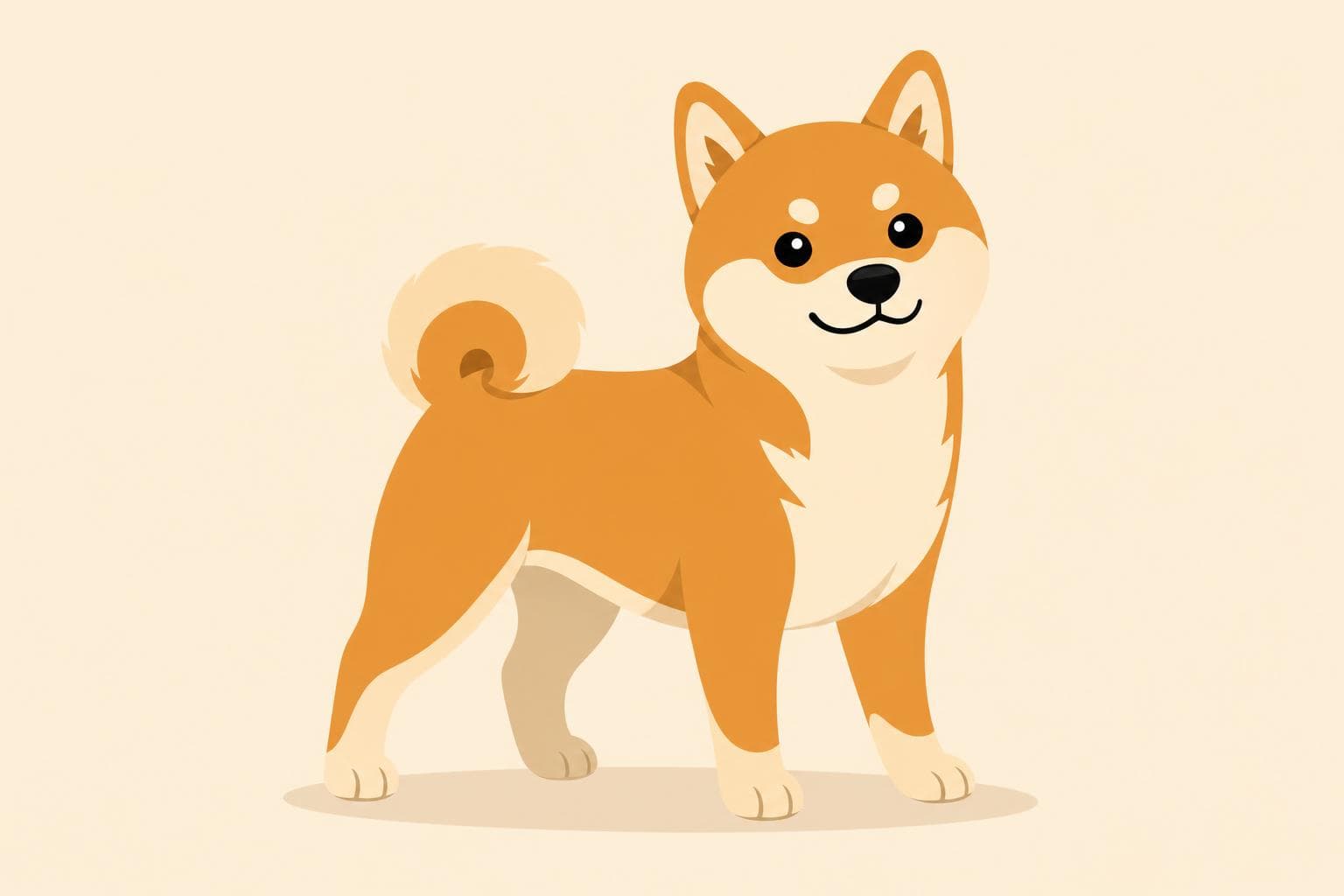
Shiba Inus are often described as the 'cat of the dog world' — independent, clean, and quietly affectionate on their own terms. They bond deeply with their families but tend to show love through closeness and loyalty rather than constant cuddling. In a family home, a Shiba is alert, playful, and endlessly entertaining, though they like to call the shots and will let you know with the famous 'Shiba scream' when they disagree.
Behavior & traits
- independent thinker
- affectionate with family
- wary of strangers
- strong prey drive
- vocal when upset
Health concerns
Shibas are generally a hardy, long-lived breed but can be prone to hip dysplasia, patellar luxation, and eye conditions like glaucoma and progressive retinal atrophy. Allergies and skin sensitivities are also common, so families should watch for excessive scratching or paw licking. Regular vet checkups and a healthy weight go a long way toward keeping them thriving well into their teens.
Responsible breeding and regular check-ups go a long way. Always ask breeders about health testing.
Feeding & nutrition
A high-quality dog food formulated for small to medium active breeds works well, typically split into two measured meals a day. Shibas can be picky eaters and are prone to weight gain if free-fed, so portion control is important. Watch for food sensitivities, and consider fish-based or limited-ingredient diets if skin issues appear.
Exercise needs
Shibas need about 45–60 minutes of daily exercise, including brisk walks, play sessions, and mental enrichment. They love secure backyard zoomies and games of chase, but their strong prey drive means they should never be off-leash in unfenced areas. Families with active kids often find Shibas a great match for outdoor adventures, hikes, and puzzle play at home.
Living with a Shiba Inu
Living with a Shiba Inu is a little like sharing your home with a clever, opinionated roommate who happens to be adorable. They're famously clean — many groom themselves like cats and housetrain quickly — which busy families appreciate. Expect a daily rhythm of alert window-watching, short bursts of playful energy, and long, contented naps near (but not always on) the family. Twice a year, they 'blow' their coat in a spectacular shedding event that will have you vacuuming daily for a few weeks. They do best with respectful older children who understand a dog's boundaries, and while they're loyal and loving, they reward patient, consistent owners who can laugh at their stubborn, dramatic side.
Recommended products
A sturdy slicker brush and undercoat rake are non-negotiable for managing that thick double coat, especially during shedding season, along with a good high-velocity dryer if you're ambitious. Invest in a secure martingale collar or escape-proof harness — Shibas are notorious escape artists — and a strong 6-foot leash for walks. Puzzle feeders, snuffle mats, and durable chew toys like Kongs keep their clever minds busy, and a comfy elevated bed gives them the perch-like vantage point they love.
Reads for Shiba Inu owners
![[header] Illustration of an independent, alert dog standing tall on a](/_next/image?url=https%3A%2F%2Fimages.ctfassets.net%2Fq8y32akc6zms%2F2gzuqwZwZ14Q09lboD5AMo%2F15d52448517f45946bc4f35a41d74cfa%2Fheader.jpg&w=3840&q=75)
The Free Spirit: The Dog Who Writes Their Own Rulebook
Independent, opinionated, and ruled by a glorious chase instinct — The Free Spirit is the dog who came into your life with their own agenda and no plans to update it. If that sounds like your dog (or your dream dog), this portrait is for you. Inside: the traits, the best-matched owners, and the breeds that tend to land here.
![[header] Row of six dogs from behind showing different tail shapes: c](/_next/image?url=https%3A%2F%2Fimages.ctfassets.net%2Fq8y32akc6zms%2F5nZnsETzgmjI9IRFWlh9Iq%2F64d1c62b2a2507a1e8960c07c7e18ffd%2Fheader.jpg&w=3840&q=75)
Reading Your Dog's Tail When It Doesn't Wag by the Book
If your dog has a curly, nubby, sickle, or docked tail, the standard 'low wag means happy' chart was never built for them. Here's how neutral, alert, and anxious actually look on Pugs, Corgis, Huskies, Boxers, and more — plus the secondary signals (hips, hackles, base tension) that fill in the gaps the tail can't.
![[header] Illustrated Shiba Inu standing alert in a field, looking awa](/_next/image?url=https%3A%2F%2Fimages.ctfassets.net%2Fq8y32akc6zms%2F5HlUziv3S5u8yP4WeTEIRN%2F74717d6262b69cda55bfc7f98289ed7b%2Fheader.jpg&w=3840&q=75)
The Shiba Inu Recall Cliff: What Nobody Tells You About Year Two
Your Shiba came when called for a full year — and then, somewhere around 15 months, they didn't. It's not you, and it's not training regression. It's a specific neurological window called the recall cliff, and here's what it looks like week by week, plus the 90-day reset that gives you a real relationship on the other side.