Siberian Husky
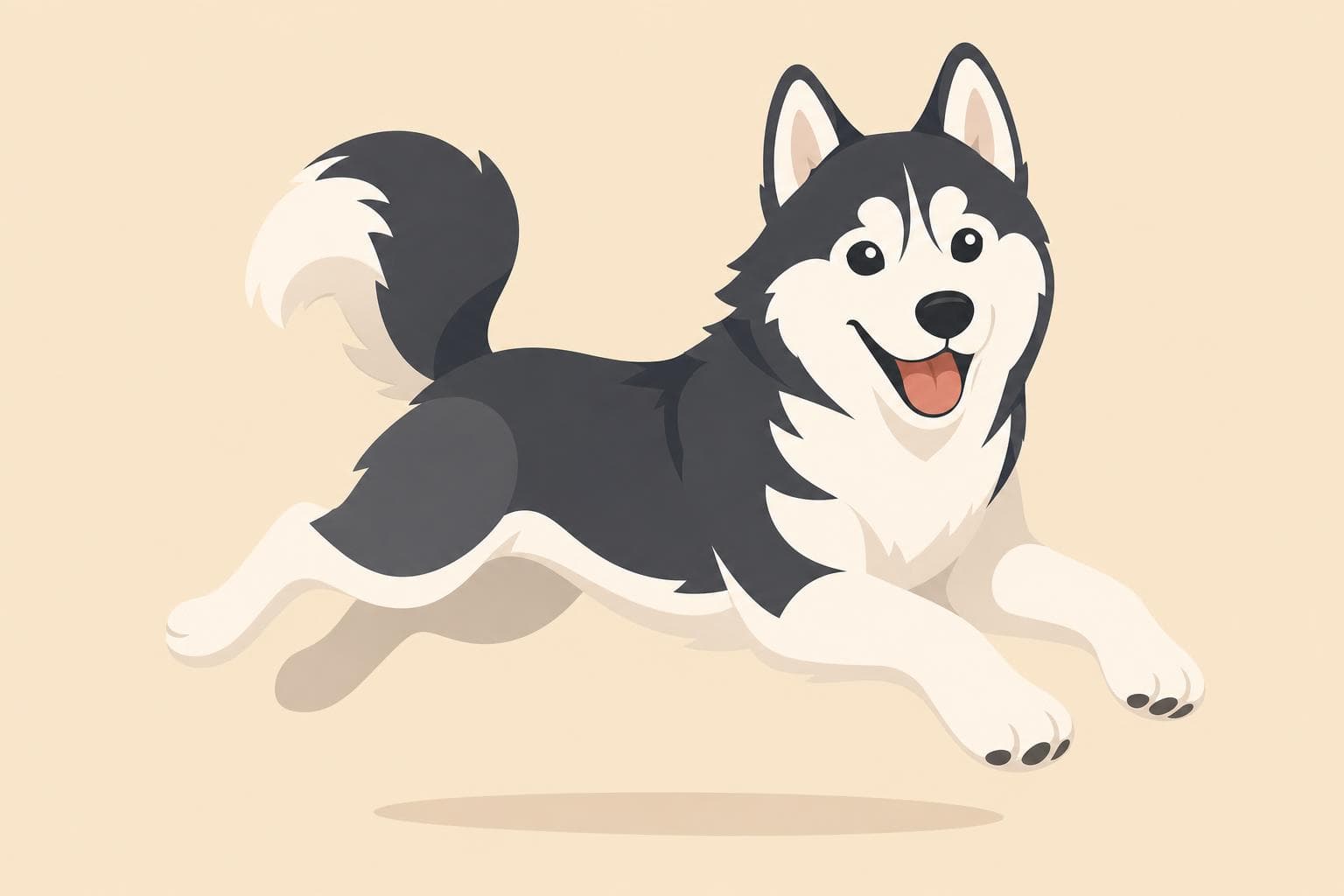
Siberian Huskies are famously friendly, outgoing dogs who tend to treat every family member — and most strangers — like a long-lost best friend. They're playful, mischievous, and known for their dramatic 'talking,' howling, and expressive antics that keep family life entertaining. While loving and gentle with children, Huskies are independent thinkers bred to run, so they thrive in active households where they get plenty of stimulation and companionship.
Behavior & traits
- social butterfly
- gentle with kids
- escape artist
- vocal and talkative
- playful pack mate
Health concerns
Huskies are generally a hardy, healthy breed, but families should watch for hip dysplasia and a few hereditary eye conditions like juvenile cataracts and progressive retinal atrophy. Regular vet checkups, including annual eye exams, can catch issues early. Reputable breeders screen their dogs for these concerns, which goes a long way toward a healthy, long life.
Responsible breeding and regular check-ups go a long way. Always ask breeders about health testing.
Feeding & nutrition
Despite their energy, Huskies are surprisingly efficient eaters and often need less food than you'd expect for their size — usually 1.5 to 2 cups of high-quality kibble split between two meals. Watch portions carefully, as they can pack on weight if overfed or under-exercised. Look for a formula with quality protein to support their active, working-breed metabolism.
Exercise needs
This is a breed built to run for miles, so plan on at least 1–2 hours of vigorous daily exercise — think jogging, hiking, biking, or backyard play with the kids. Mental stimulation matters just as much as physical activity, so puzzle toys and training games help prevent boredom-driven mischief. Without enough exercise, Huskies will absolutely redecorate your living room.
Living with a Siberian Husky
Living with a Siberian Husky is a little like having a fluffy, four-legged comedian who never quite respects the rules. They're affectionate cuddlers one minute and zooming through the house the next, often serenading the family with howls, grumbles, and full-on conversations. Expect fur — lots of it — especially during their twice-yearly 'coat blow,' when it looks like a snowstorm hit the living room. Huskies adore kids and tend to be patient, playful companions, but they're notorious escape artists who can scale fences, dig under gates, and slip leashes if given the chance. Families who embrace their quirky, high-energy personality and commit to daily adventures will find them endlessly rewarding, hilarious, and deeply loving members of the pack.
Recommended products
A sturdy, no-pull harness is non-negotiable for walks, since Huskies are powerful pullers bred to haul sleds. Invest in a high-quality undercoat rake and slicker brush to manage their thick double coat, plus a good vacuum for the inevitable shedding seasons. Durable puzzle toys, frozen Kongs, and tug ropes help burn off mental energy, and a secure, tall fence (with dig protection) is essential for any yard they'll access.
Reads for Siberian Husky owners
![[header] Illustrated owner and athletic dog hiking a mountain trail t](/_next/image?url=https%3A%2F%2Fimages.ctfassets.net%2Fq8y32akc6zms%2F7DNPyseenZ7Tn8tGjdRmVN%2F8db03a8d9ee4dbc7b75637e6f5d162fc%2Fheader.jpg&w=3840&q=75)
The Adventure Buddy: The Owner Archetype Who Treats the World as a Playgrounda
Got The Adventure Buddy on your LiveLaughWoof assessment? Here's what it actually says about you — and the dog personalities most likely to thrive at your pace. Plus the one skill most adventure-forward owners forget to teach their athletic dogs, and the breeds that tend to fit best.
![[header] Illustration of an independent, alert dog standing tall on a](/_next/image?url=https%3A%2F%2Fimages.ctfassets.net%2Fq8y32akc6zms%2F2gzuqwZwZ14Q09lboD5AMo%2F15d52448517f45946bc4f35a41d74cfa%2Fheader.jpg&w=3840&q=75)
The Free Spirit: The Dog Who Writes Their Own Rulebook
Independent, opinionated, and ruled by a glorious chase instinct — The Free Spirit is the dog who came into your life with their own agenda and no plans to update it. If that sounds like your dog (or your dream dog), this portrait is for you. Inside: the traits, the best-matched owners, and the breeds that tend to land here.
![[header] Row of six dogs from behind showing different tail shapes: c](/_next/image?url=https%3A%2F%2Fimages.ctfassets.net%2Fq8y32akc6zms%2F5nZnsETzgmjI9IRFWlh9Iq%2F64d1c62b2a2507a1e8960c07c7e18ffd%2Fheader.jpg&w=3840&q=75)
Reading Your Dog's Tail When It Doesn't Wag by the Book
If your dog has a curly, nubby, sickle, or docked tail, the standard 'low wag means happy' chart was never built for them. Here's how neutral, alert, and anxious actually look on Pugs, Corgis, Huskies, Boxers, and more — plus the secondary signals (hips, hackles, base tension) that fill in the gaps the tail can't.