Skye Terrier
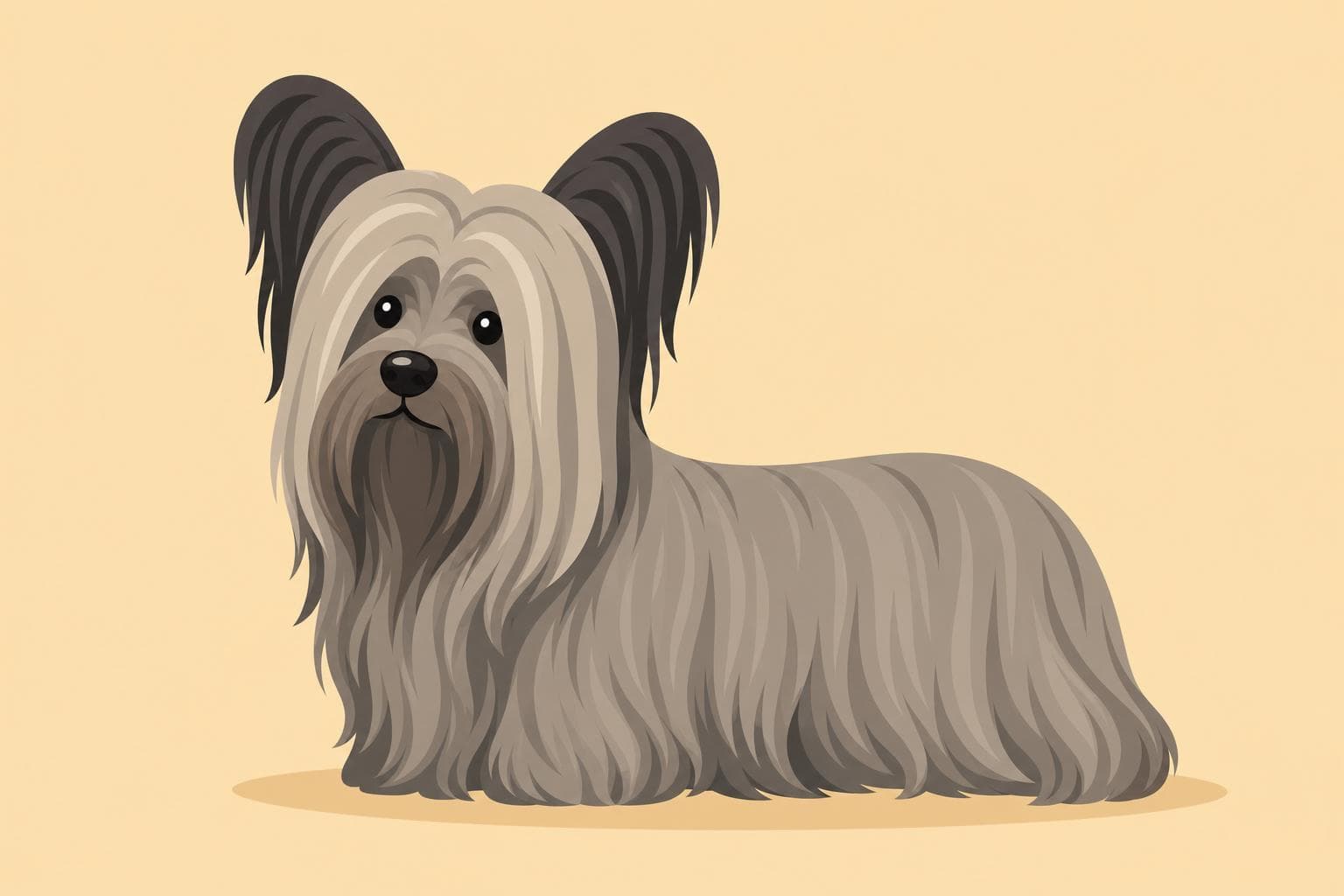
The Skye Terrier is a deeply loyal companion who bonds intensely with their family, often forming an especially close attachment to one person. They're dignified and calm inside the home, but possess that classic terrier boldness when something piques their interest. Reserved with strangers and naturally alert, they make excellent watchdogs without being yappy, and their devotion to 'their people' is the stuff of legend.
Behavior & traits
- devoted to family
- wary of strangers
- calm indoors
- strong willed
- good watchdog
Health concerns
Skye Terriers can be prone to orthopedic issues due to their long backs, including intervertebral disc disease, so families should discourage jumping from furniture and use ramps when possible. They may also experience mammary cancer, autoimmune conditions, and copper-associated liver disease. Regular vet checkups and a watchful eye on any changes in mobility or appetite go a long way.
Responsible breeding and regular check-ups go a long way. Always ask breeders about health testing.
Feeding & nutrition
A high-quality, age-appropriate diet split into two measured meals per day works best for this breed, typically totaling about 1 to 1.5 cups daily depending on activity. Keeping a Skye lean is especially important to protect their long spine from extra strain. Talk with your vet about adding omega-3s and joint-supporting nutrients as they age.
Exercise needs
Skye Terriers need moderate daily exercise — usually a couple of leisurely walks and some playtime in a secure yard will keep them happy. They enjoy sniff-walks, gentle hikes, and interactive games, but families should avoid high-impact activities like jumping or rough roughhousing that could stress their back. A bored Skye can become stubborn, so mental stimulation matters as much as physical activity.
Living with a Skye Terrier
Living with a Skye Terrier is a bit like having a quiet, devoted shadow who genuinely wants to be wherever you are. They're calm and dignified around the house — not the type to bounce off the walls — but they'll perk up instantly if a stranger approaches the door or a squirrel dares cross the yard. Families often find that Skyes do best with older, respectful children who understand not to roughhouse or pick them up awkwardly, since their long backs are vulnerable. Expect a dog with opinions: they're affectionate but never overly clingy, brave but never reckless, and stubborn in a way that's more charming than frustrating once you get to know them. The biggest surprise for most owners is just how deeply attached this breed becomes — a Skye loves with their whole heart, and they expect you to be home and part of the routine.
Recommended products
A quality pin brush and metal comb are essential for keeping that long, flowing double coat free of mats, along with a gentle detangling spray for weekly grooming sessions. Invest in pet ramps or steps for couches and beds to protect their long spine, and choose a well-padded harness rather than a collar to reduce neck strain on walks. Puzzle toys and snuffle mats help satisfy their clever terrier brain, and a comfortable orthopedic dog bed supports their back during all those loyal hours spent watching over the family.
Reads for Skye Terrier owners
![[header] Border Collie with puzzle toys](/_next/image?url=https%3A%2F%2Fimages.ctfassets.net%2Fq8y32akc6zms%2F7eTvC6qBF3gqDFvQSzcpXM%2Fa35b628bfd670bfc52bf4bcd532fc1b6%2Fheader.jpg&w=3840&q=75)
Engaging Activities for Border Collies: A How-To Guide
Is your Border Collie always on the lookout for something to do? Dive into engaging mental activities that will keep their sharp minds busy and entertained!
![[header] Senior dog resting on an orthopedic bed while a puppy waits](/_next/image?url=https%3A%2F%2Fimages.ctfassets.net%2Fq8y32akc6zms%2F4EwnObSBED8EN4IbvFJgaN%2Fc15a1446d531fd28d8e6854c46c3de7f%2Fheader.jpg&w=3840&q=75)
Before the Puppy Arrives: A Pre-Arrival Checklist for Your Senior Dog
Your calm senior dog has been quietly compensating for aches, stiffness, and fading senses for years — and a new puppy is about to expose all of it. This pre-arrival checklist walks you through the vet workup, pain baseline, and home setup to tackle in the weeks *before* pickup day, so your older dog isn't blindsided by the chaos.
![[header] Small dog wearing a soft mesh harness walking on a sunny pat](/_next/image?url=https%3A%2F%2Fimages.ctfassets.net%2Fq8y32akc6zms%2F3p03PzT9zANgbTC9dAOMJ2%2Ff95efe8539856e9489ef9bd4e861c4ba%2Fheader.jpg&w=3840&q=75)
Comfortable Harnesses for Small Dogs Prone to Tracheal Collapse
Is your small dog coughing from their collar? Discover harnesses designed for pups prone to tracheal collapse, offering protection and comfort with every walk.