Spinone Italiano
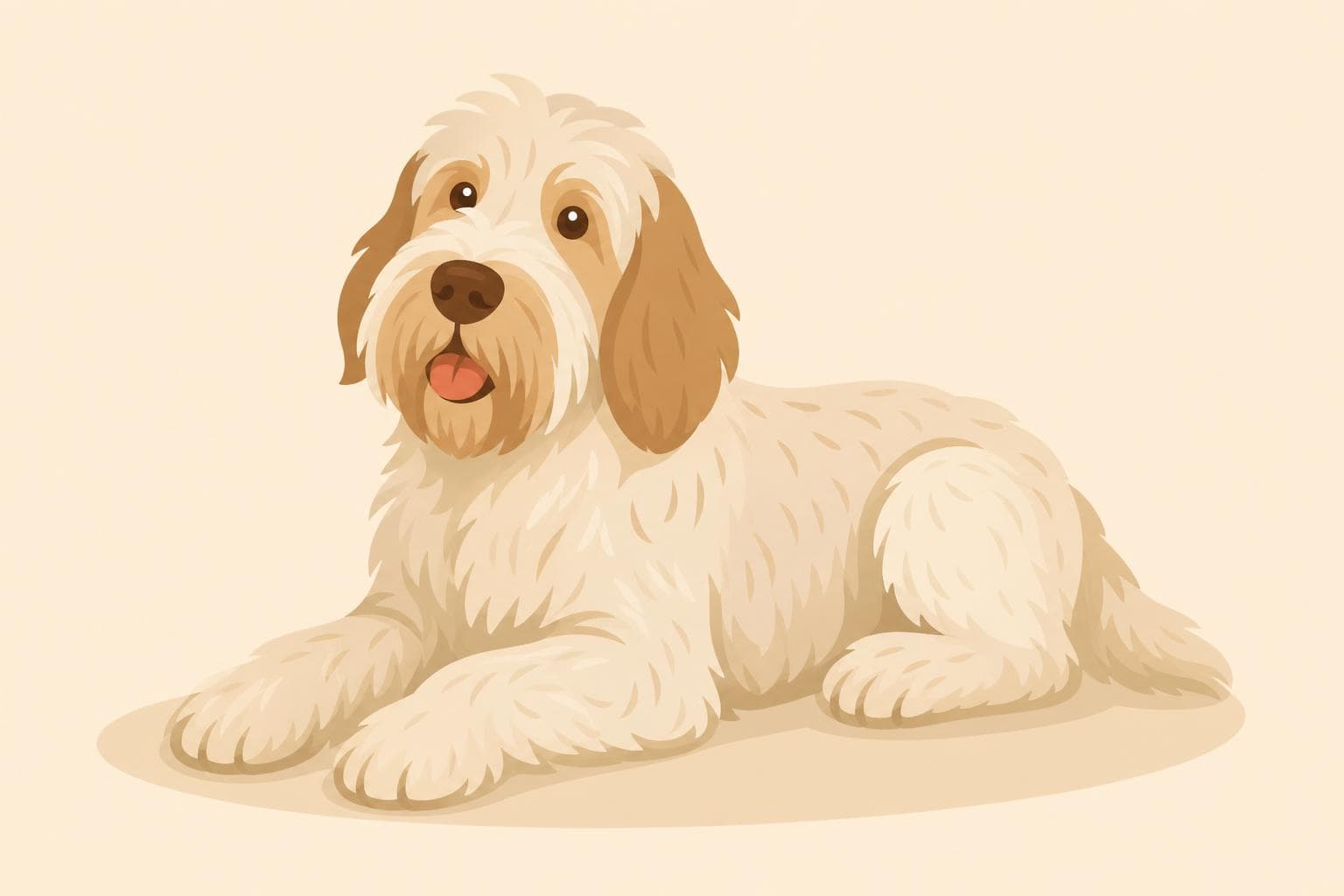
The Spinone Italiano is often called the 'soft soul' of the sporting group — a gentle giant with a soulful gaze and an easygoing nature. At home, they tend to be calm, affectionate companions who want nothing more than to be near their people, often leaning against a leg or quietly snoozing at your feet. Outdoors, their hunting heritage shines through with steady stamina and a playful spirit, though they rarely become hyper or frantic. Their patient, tolerant disposition makes them especially wonderful around children.
Behavior & traits
- gentle with kids
- loves people
- naturally calm indoors
- playful outdoors
- sociable with other dogs
Health concerns
Spinoni are generally healthy but can be prone to hip and elbow dysplasia, as well as a hereditary neurological condition called cerebellar ataxia that responsible breeders screen for. Like other deep-chested breeds, they can also be susceptible to bloat (gastric torsion), so families should learn the warning signs. Routine vet checkups and choosing a health-tested breeder go a long way toward a long, healthy life.
Responsible breeding and regular check-ups go a long way. Always ask breeders about health testing.
Feeding & nutrition
A high-quality large-breed dog food split into two meals a day works best, helping to reduce bloat risk and keep energy steady. Adult Spinoni typically eat about 3–4 cups of kibble daily, adjusted for activity level and age. Be mindful of their famously messy beards at the water bowl — and watch portions, as they can be food-motivated charmers who happily accept second helpings.
Exercise needs
Spinoni need about an hour of moderate exercise each day, including long walks, hikes, or off-leash romps in safe areas. They genuinely love family activities like backyard play, swimming, and weekend adventures, making them a great match for households that enjoy the outdoors. Without enough activity, they can become bored and a bit mopey, but they're not the type to bounce off the walls.
Living with a Spinone Italiano
Living with a Spinone Italiano is a bit like having a wise, slightly goofy roommate who adores you unconditionally. Expect a damp beard dripping water across your kitchen floor after every drink, a snorer who claims the couch, and a shadow that follows you from room to room — they truly don't like being left alone for long stretches. Families often find them remarkably patient with toddlers and tolerant of typical kid chaos, though their size means they can accidentally bump small children when excited. They're surprisingly mellow indoors for a sporting breed, content to nap between adventures, but they do shed and track in mud thanks to that wiry coat. Most families describe them as soulful, comedic, and deeply bonded — a breed that quietly becomes the heart of the home.
Recommended products
A sturdy, well-padded harness is essential for daily walks given their size and strength, along with a long lead for safe exploration of their hunting instincts. Invest in a slicker brush and stripping comb to maintain that signature wiry coat, plus plenty of absorbent 'beard towels' stationed near water bowls and doors. An elevated, slow-feeder bowl helps reduce bloat risk and slows down enthusiastic eaters, and a large orthopedic dog bed will support their joints as they age. Durable chew toys and floating retrieve toys are perfect for satisfying their playful, water-loving nature.
Reads for Spinone Italiano owners
![[header] Border Collie with puzzle toys](/_next/image?url=https%3A%2F%2Fimages.ctfassets.net%2Fq8y32akc6zms%2F7eTvC6qBF3gqDFvQSzcpXM%2Fa35b628bfd670bfc52bf4bcd532fc1b6%2Fheader.jpg&w=3840&q=75)
Engaging Activities for Border Collies: A How-To Guide
Is your Border Collie always on the lookout for something to do? Dive into engaging mental activities that will keep their sharp minds busy and entertained!
![[header] Senior dog resting on an orthopedic bed while a puppy waits](/_next/image?url=https%3A%2F%2Fimages.ctfassets.net%2Fq8y32akc6zms%2F4EwnObSBED8EN4IbvFJgaN%2Fc15a1446d531fd28d8e6854c46c3de7f%2Fheader.jpg&w=3840&q=75)
Before the Puppy Arrives: A Pre-Arrival Checklist for Your Senior Dog
Your calm senior dog has been quietly compensating for aches, stiffness, and fading senses for years — and a new puppy is about to expose all of it. This pre-arrival checklist walks you through the vet workup, pain baseline, and home setup to tackle in the weeks *before* pickup day, so your older dog isn't blindsided by the chaos.
![[header] Small dog wearing a soft mesh harness walking on a sunny pat](/_next/image?url=https%3A%2F%2Fimages.ctfassets.net%2Fq8y32akc6zms%2F3p03PzT9zANgbTC9dAOMJ2%2Ff95efe8539856e9489ef9bd4e861c4ba%2Fheader.jpg&w=3840&q=75)
Comfortable Harnesses for Small Dogs Prone to Tracheal Collapse
Is your small dog coughing from their collar? Discover harnesses designed for pups prone to tracheal collapse, offering protection and comfort with every walk.