Standard Schnauzer
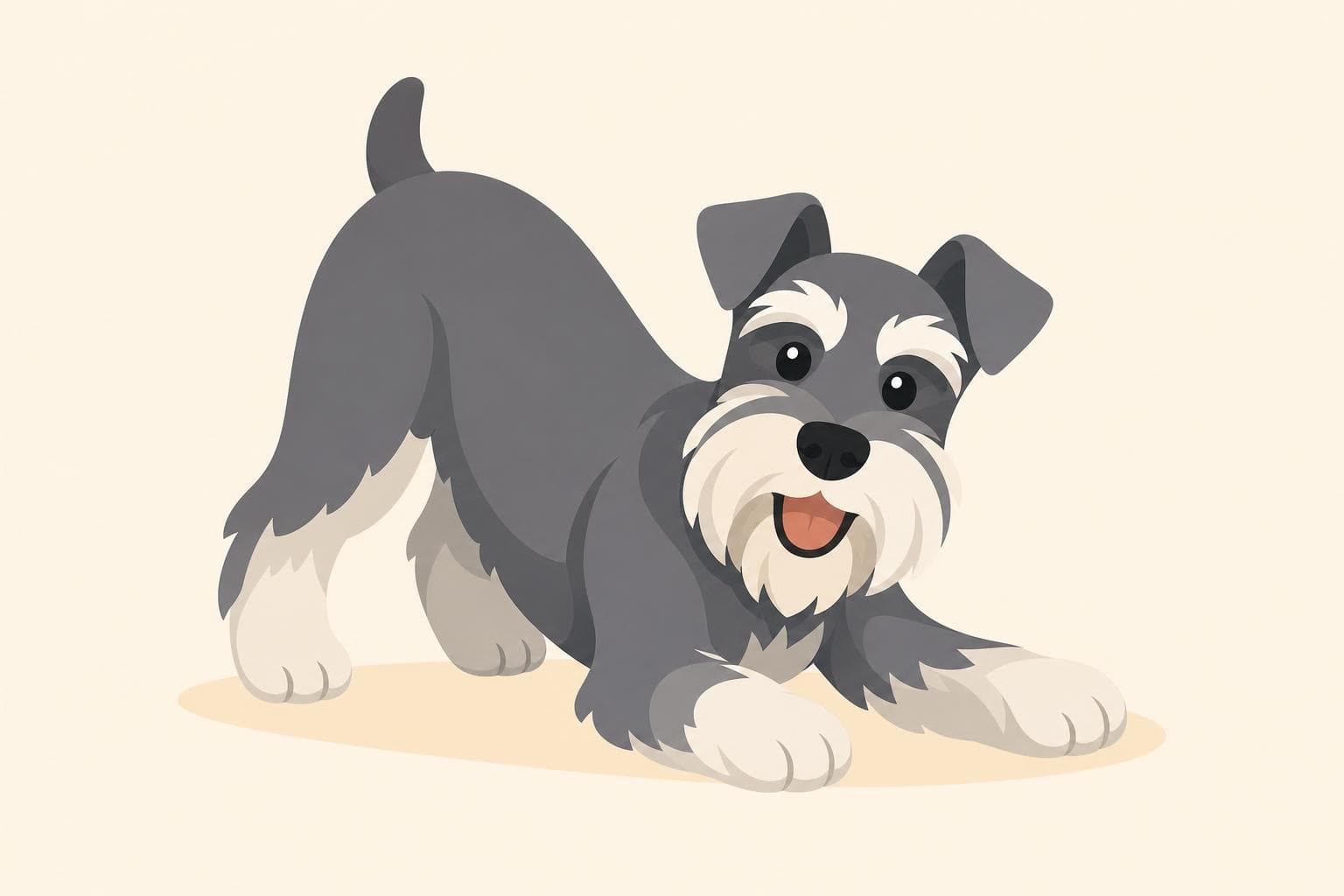
Standard Schnauzers are spirited, people-loving dogs with a charming sense of humor that families adore. They form deep bonds with their humans and tend to stick close, often appointing themselves as the household's unofficial supervisor. While confident and sometimes a little bossy, they're affectionate companions who thrive on being included in everything from movie nights to backyard play.
Behavior & traits
- devoted to family
- great with kids
- naturally protective
- highly trainable
- playful and mischievous
Health concerns
Standard Schnauzers are generally a healthy, hardy breed, but families should be aware of potential issues like hip dysplasia, hereditary eye conditions, and occasional cardiac concerns. Regular vet check-ups, including eye and heart screenings, help catch problems early. Maintaining a healthy weight and active lifestyle goes a long way toward keeping them thriving well into their teens.
Responsible breeding and regular check-ups go a long way. Always ask breeders about health testing.
Feeding & nutrition
Feed a high-quality dog food appropriate to their age and activity level, typically 1.5 to 2 cups split into two meals a day. Standard Schnauzers can be prone to weight gain if overfed, so measure portions carefully and limit table scraps — they're notorious beggars with very convincing eyes. Fresh water and the occasional dental-friendly chew help round out their nutrition.
Exercise needs
This is an energetic, athletic breed that needs at least an hour of vigorous exercise daily to stay happy and well-behaved. Families can meet those needs with brisk walks, fetch sessions, hiking, agility games, or romps in a securely fenced yard. Mental exercise matters just as much — puzzle toys, training games, and learning new tricks help prevent the boredom that leads to mischief.
Living with a Standard Schnauzer
Living with a Standard Schnauzer means having a four-legged shadow who's always in on the family action. They're alert watchdogs who will bark to announce visitors, the mailman, a falling leaf — but they settle quickly once they know everyone's safe. Expect a clever, slightly mischievous personality that keeps you laughing, along with a streak of stubbornness that rewards patient, consistent training. They're wonderful with kids, often acting like a playful sibling, and they tend to be more tolerant and gentle with children they've grown up alongside. The biggest surprise for many families is how deeply they communicate with their people — through expressive eyebrows, soft grumbles, and an uncanny ability to read your mood.
Recommended products
A quality slicker brush, metal comb, and either professional grooming appointments every 6–8 weeks or a good set of clippers are essential to maintain their wiry coat and signature beard. Invest in a sturdy front-clip harness for walks, since these athletic dogs love to pull toward interesting smells, plus durable chew toys and puzzle feeders to keep their busy minds engaged. A beard-friendly water bowl (raised stainless steel works well) helps cut down on the wet-beard mess, and a comfortable crate or designated bed gives them their own cozy spot to retreat when the household gets busy.
Reads for Standard Schnauzer owners
![[header] Border Collie with puzzle toys](/_next/image?url=https%3A%2F%2Fimages.ctfassets.net%2Fq8y32akc6zms%2F7eTvC6qBF3gqDFvQSzcpXM%2Fa35b628bfd670bfc52bf4bcd532fc1b6%2Fheader.jpg&w=3840&q=75)
Engaging Activities for Border Collies: A How-To Guide
Is your Border Collie always on the lookout for something to do? Dive into engaging mental activities that will keep their sharp minds busy and entertained!
![[header] Senior dog resting on an orthopedic bed while a puppy waits](/_next/image?url=https%3A%2F%2Fimages.ctfassets.net%2Fq8y32akc6zms%2F4EwnObSBED8EN4IbvFJgaN%2Fc15a1446d531fd28d8e6854c46c3de7f%2Fheader.jpg&w=3840&q=75)
Before the Puppy Arrives: A Pre-Arrival Checklist for Your Senior Dog
Your calm senior dog has been quietly compensating for aches, stiffness, and fading senses for years — and a new puppy is about to expose all of it. This pre-arrival checklist walks you through the vet workup, pain baseline, and home setup to tackle in the weeks *before* pickup day, so your older dog isn't blindsided by the chaos.
![[header] Small dog wearing a soft mesh harness walking on a sunny pat](/_next/image?url=https%3A%2F%2Fimages.ctfassets.net%2Fq8y32akc6zms%2F3p03PzT9zANgbTC9dAOMJ2%2Ff95efe8539856e9489ef9bd4e861c4ba%2Fheader.jpg&w=3840&q=75)
Comfortable Harnesses for Small Dogs Prone to Tracheal Collapse
Is your small dog coughing from their collar? Discover harnesses designed for pups prone to tracheal collapse, offering protection and comfort with every walk.