Sussex Spaniel
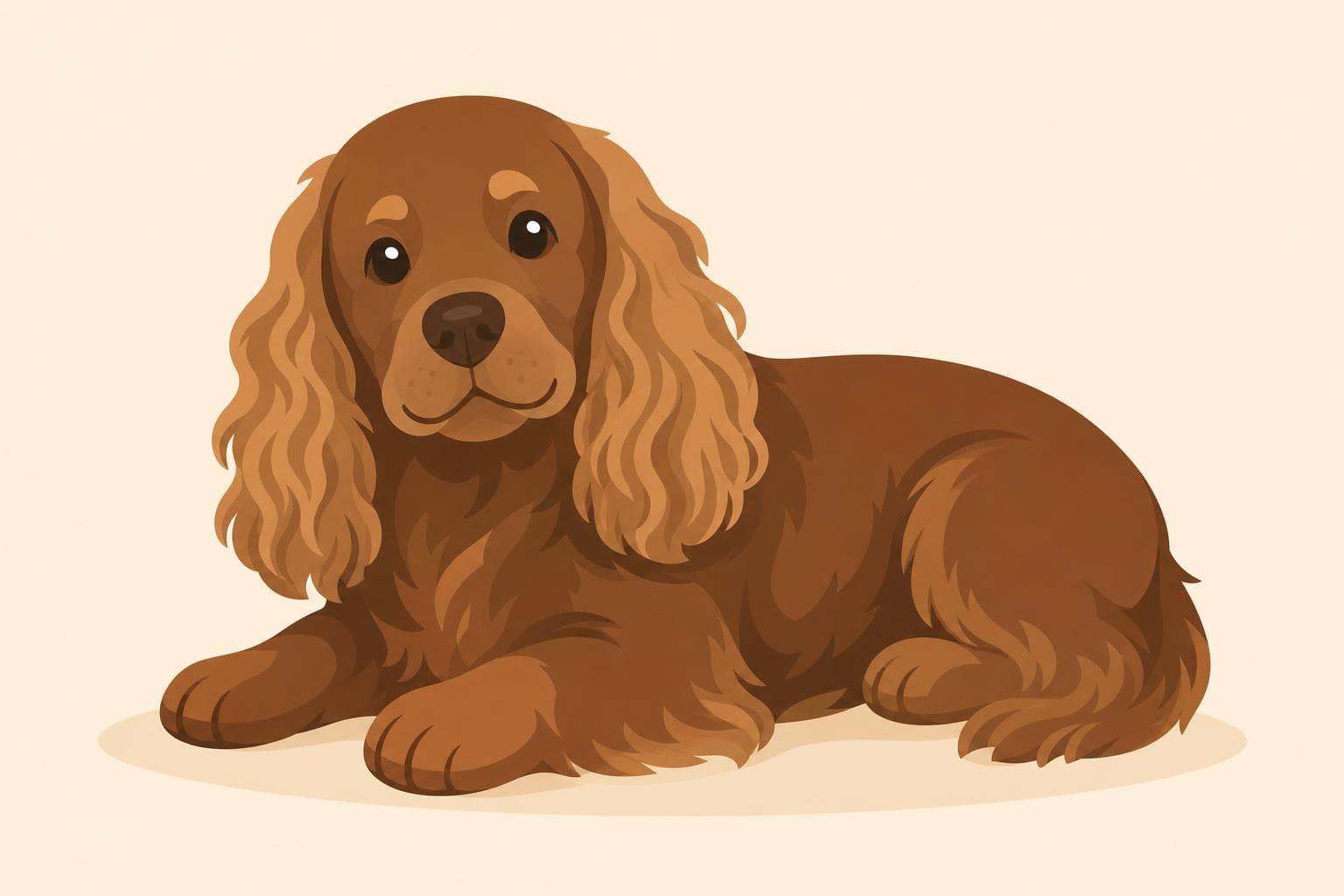
Sussex Spaniels are the laid-back charmers of the spaniel world — slower paced and more serious than their cousins, but absolutely devoted to their people. They thrive on being part of family life and tend to follow their favorite humans from room to room. While they have a playful, sometimes goofy side, they're more likely to nap at your feet than zoom around the house, making them a wonderfully steady companion for busy households.
Behavior & traits
- gentle with kids
- affectionate
- mellow indoors
- sociable
- occasionally stubborn
Health concerns
Sussex Spaniels can be prone to hip dysplasia, ear infections (thanks to those long, floppy ears), and heart conditions like pulmonic stenosis. They're also susceptible to intervertebral disc disease due to their long backs, so discourage jumping off furniture. Regular vet checkups and a reputable breeder who screens for these issues go a long way.
Responsible breeding and regular check-ups go a long way. Always ask breeders about health testing.
Feeding & nutrition
A high-quality dog food formulated for medium breeds works well, typically split into two meals a day totaling around 1.5 to 2 cups depending on activity level. Sussex Spaniels love their food and can easily pack on extra pounds, which puts strain on their long backs — so measure portions carefully and go easy on table scraps. Treats are great for training, just factor them into the daily total.
Exercise needs
Plan for about 30–60 minutes of daily exercise — a couple of walks, some backyard sniffing time, and play with the kids usually does the trick. They're built for steady, moderate activity rather than long runs, and they genuinely enjoy nose work or scent games that engage their hunting heritage. Families with a fenced yard will find them content to mosey around exploring.
Living with a Sussex Spaniel
Living with a Sussex Spaniel is like having a mellow, four-legged shadow who's perpetually delighted to see you. They're famously vocal — expect happy barks, melodious howls, and the occasional opinionated grumble when dinner is late. Mornings tend to be calm, afternoons might include a leisurely walk and a long nap on the couch, and evenings are prime cuddle time. Families are often surprised by their sense of humor and how patient they are with children, though their stubborn streak means training requires consistency and a sense of humor of your own. They're not a breed that does well left alone for long stretches, so they're best suited to homes where someone is around much of the day.
Recommended products
Invest in a soft slicker brush and a metal comb to manage their feathered coat and weekly shedding, plus a gentle ear cleaner since their long ears trap moisture and debris. A padded, supportive harness protects their long back better than a collar for walks, and a low-sided orthopedic dog bed gives them comfortable joint support as they age. Puzzle feeders and scent-based toys like snuffle mats are perfect for engaging their nose and preventing boredom on rainy days.
Reads for Sussex Spaniel owners
Meet The Professional Napper: The Dog Archetype Who Turns Rest Into an Art Form
If your dog treats the couch like a career, this one's for them. The Professional Napper is a gentle, sociable, low-gear archetype — the dog who wants a sunbeam, a short walk, and you in the same room. Here's what it means, who they thrive with, and the one thing owners get wrong about "low energy."
![[header] Illustration of a gentle spaniel resting quietly on a cushio](/_next/image?url=https%3A%2F%2Fimages.ctfassets.net%2Fq8y32akc6zms%2F5kVBa0L2dkGu7vvUX3JWxr%2Fa86fffc2f81e9719929c4f2a46899ac2%2Fheader.jpg&w=3840&q=75)
The Gentle Soul: A Dog Archetype for the Sensitive, Loyal, Slow-to-Warm Companion
Some dogs walk into a room ready to party. Others study it first — noticing every sound, every new face, every shift in your mood — before deciding it's safe to join. If that's your dog, meet The Gentle Soul: sensitive, quietly loyal, and at their very best in a calm, predictable home.
![[header] A calm owner reading in an armchair with a small dog curled](/_next/image?url=https%3A%2F%2Fimages.ctfassets.net%2Fq8y32akc6zms%2F7F3uPDUQoNFW8TMbODtMjk%2Ffac8de70c2800e074aae0a155a228d2a%2Fheader.jpg&w=3840&q=75)
The Homebody Companion: An Owner Archetype for the Quietly Devoted
Got The Homebody Companion on your LiveLaughWoof assessment? You're the person who builds a slow, warm, deeply affectionate life with a dog — and there's a very specific kind of dog who dreams about a home like yours. Here's what your result actually means, the temperaments that match you best, and the one growth edge worth naming out loud.