Swedish Vallhund
Swedish Vallhunds are small but mighty Viking-era herders with huge personalities packed into compact bodies. They're affectionate, social, and love being in the thick of family life — whether that's helping unload groceries or supervising kids' homework. Expect a dog that's eager to please, quick to learn, and never far from your feet.
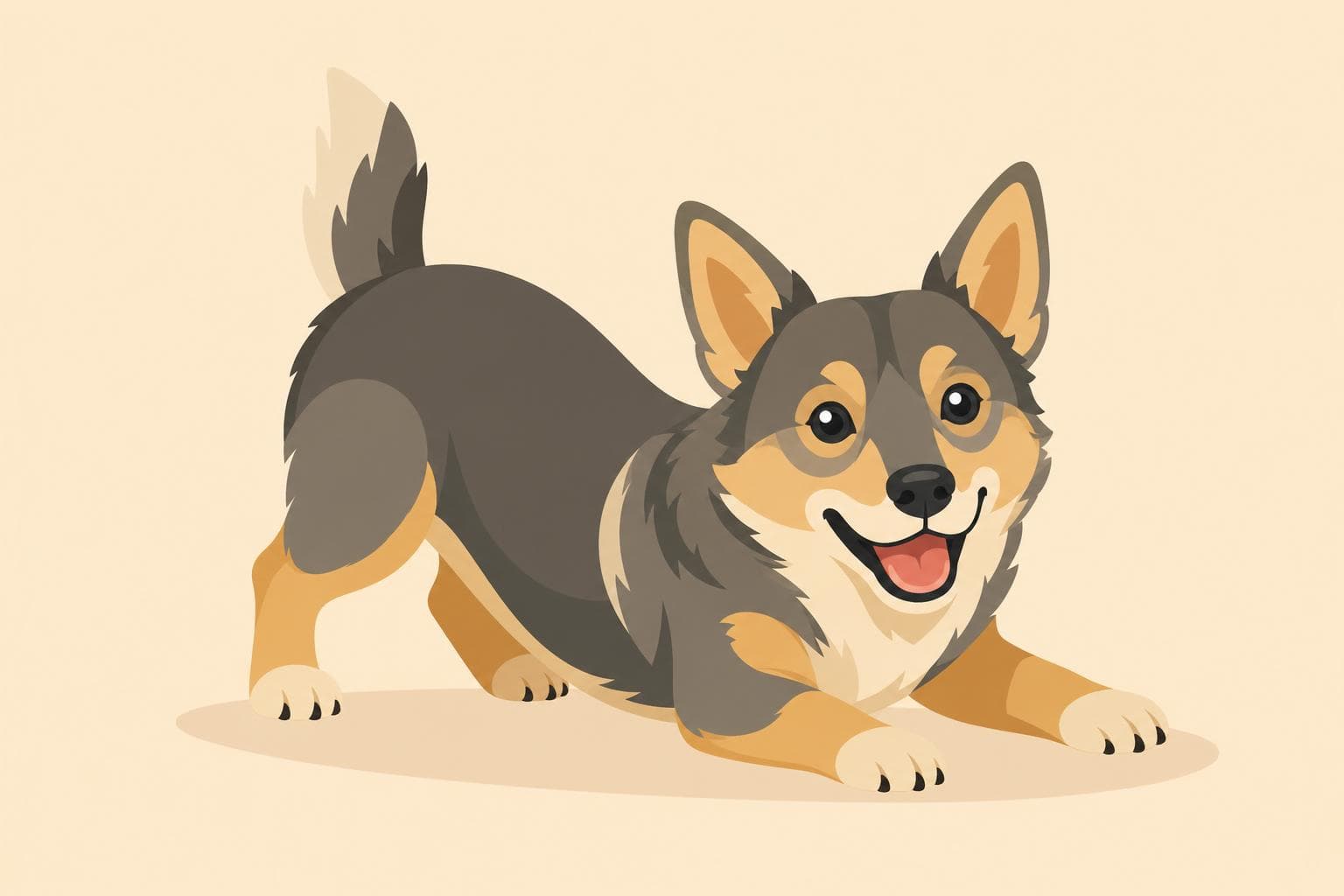
Behavior & traits
- loyal companion
- great with kids
- vocal watchdog
- highly trainable
- playful herder
Health concerns
Swedish Vallhunds are generally a hardy, healthy breed, but families should be aware of hip dysplasia and a hereditary eye condition called Vallhund retinopathy. Their long-backed, short-legged build also means they're prone to back injuries, so discourage jumping off high furniture. Reputable breeders screen for these conditions, which goes a long way toward a healthy puppy.
Responsible breeding and regular check-ups go a long way. Always ask breeders about health testing.
Feeding & nutrition
Feed a high-quality dog food formulated for active small-to-medium breeds, typically 1 to 1.5 cups split into two daily meals. Vallhunds love food and can pack on pounds quickly, which is especially hard on their long backs, so measure portions carefully and limit table scraps. Treats are great for training — just account for them in the daily total.
Exercise needs
Despite their short legs, Vallhunds are energetic herders who need 45–60 minutes of daily exercise plus mental stimulation. Families can easily meet this with brisk walks, backyard fetch, agility games, or trick training sessions with the kids. A bored Vallhund will invent its own (often noisy) entertainment, so consistent activity keeps them happy and well-mannered.
Living with a Swedish Vallhund
Living with a Swedish Vallhund is like having a small, furry shadow with strong opinions and a great sense of humor. They're chatty dogs — known for 'talking' with grumbles, barks, and yodels — and they love being part of every family moment, from movie night to backyard play. Their herding instincts may show up as gently nudging kids around the yard or circling the family on walks, which most kids find hilarious. They shed steadily year-round with two heavier 'coat blowing' seasons in spring and fall, so expect to vacuum often. In return, you get a devoted, fun-loving companion who's surprisingly adaptable, gets along well with respectful children, and bonds deeply with the whole family.
Recommended products
A sturdy slicker brush and undercoat rake are essential for managing their double coat, especially during shedding season — a good vacuum helps too. Look for a Y-shaped harness that doesn't restrict their short-legged gait, and invest in puzzle toys, snuffle mats, and a flirt pole to channel their herding energy. A raised, ramp-style dog bed or pet stairs for the couch helps protect their long backs, and durable chew toys keep their busy minds satisfied.
Reads for Swedish Vallhund owners
![[header] Border Collie with puzzle toys](/_next/image?url=https%3A%2F%2Fimages.ctfassets.net%2Fq8y32akc6zms%2F7eTvC6qBF3gqDFvQSzcpXM%2Fa35b628bfd670bfc52bf4bcd532fc1b6%2Fheader.jpg&w=3840&q=75)
Engaging Activities for Border Collies: A How-To Guide
Is your Border Collie always on the lookout for something to do? Dive into engaging mental activities that will keep their sharp minds busy and entertained!
![[header] Senior dog resting on an orthopedic bed while a puppy waits](/_next/image?url=https%3A%2F%2Fimages.ctfassets.net%2Fq8y32akc6zms%2F4EwnObSBED8EN4IbvFJgaN%2Fc15a1446d531fd28d8e6854c46c3de7f%2Fheader.jpg&w=3840&q=75)
Before the Puppy Arrives: A Pre-Arrival Checklist for Your Senior Dog
Your calm senior dog has been quietly compensating for aches, stiffness, and fading senses for years — and a new puppy is about to expose all of it. This pre-arrival checklist walks you through the vet workup, pain baseline, and home setup to tackle in the weeks *before* pickup day, so your older dog isn't blindsided by the chaos.
![[header] Small dog wearing a soft mesh harness walking on a sunny pat](/_next/image?url=https%3A%2F%2Fimages.ctfassets.net%2Fq8y32akc6zms%2F3p03PzT9zANgbTC9dAOMJ2%2Ff95efe8539856e9489ef9bd4e861c4ba%2Fheader.jpg&w=3840&q=75)
Comfortable Harnesses for Small Dogs Prone to Tracheal Collapse
Is your small dog coughing from their collar? Discover harnesses designed for pups prone to tracheal collapse, offering protection and comfort with every walk.