Toy Fox Terrier
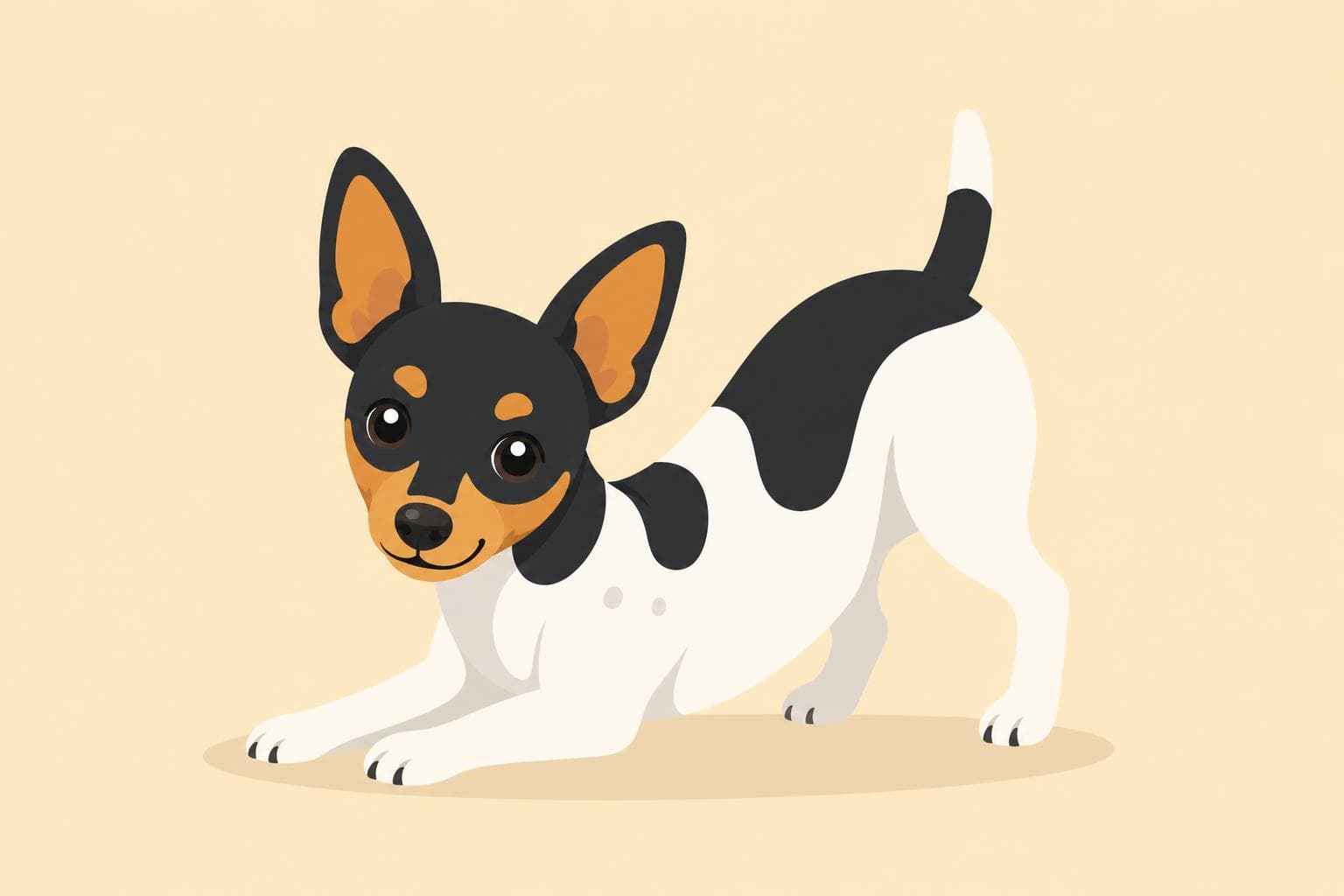
Don't let the tiny size fool you — the Toy Fox Terrier packs a big personality into a pint-sized package. They're confident, clever, and deeply devoted to their people, often bonding closely with the whole family while picking one favorite human as their shadow. At home, expect a cheerful companion who's just as happy snuggling on the couch as zooming around the living room in a burst of terrier energy.
Behavior & traits
- affectionate lap dog
- lively and playful
- highly trainable
- alert watchdog
- bonded to family
Health concerns
Toy Fox Terriers are generally a hardy, long-lived breed, but families should watch for patellar luxation (slipping kneecaps), Legg-Calvé-Perthes disease, and dental issues common in small breeds. Some lines can also carry congenital hypothyroidism or von Willebrand's disease, so working with a reputable breeder who screens for these conditions is important. Regular vet checkups and dental care go a long way in keeping them thriving well into their teens.
Responsible breeding and regular check-ups go a long way. Always ask breeders about health testing.
Feeding & nutrition
A high-quality small-breed kibble formulated for active toy dogs works well, typically split into two or three small meals a day to keep their fast metabolism steady. Because they're so tiny, even a little overfeeding can add up quickly, so measured portions and limited treats are key. Always keep fresh water available, especially after their bursts of play.
Exercise needs
Toy Fox Terriers have surprisingly high energy for their size and need around 30–45 minutes of daily activity to stay happy. A couple of brisk walks, indoor fetch, or backyard playtime with the kids usually does the trick, and they excel at agility and trick training. Mental stimulation matters just as much as physical exercise — a bored Toy Fox Terrier will invent their own entertainment, and you may not love their choices.
Living with a Toy Fox Terrier
Life with a Toy Fox Terrier is rarely dull — they're the kind of dog who greets you at the door like you've been gone for years, even if you just ran out for the mail. They thrive on being part of everything, following family members from room to room and weighing in on the day with cheerful little barks. They're fantastic with respectful older children who can match their playful energy, though families with toddlers should supervise closely since these dogs are fragile and don't love rough handling. Expect a dog who's smart enough to learn household routines within days, naps under blankets like a tiny burrito, and patrols the windows like a self-appointed security guard. Most families are pleasantly surprised by how easy they are to live with — minimal grooming, quick to housetrain, and endlessly entertaining.
Recommended products
Because Toy Fox Terriers are so small and have delicate necks, a well-fitted padded harness is a must for walks instead of a collar leash. A cozy covered bed or blanket nest satisfies their love of burrowing, and a small-breed dental care routine (chews, brushing kit) helps protect those tiny teeth. Round out the essentials with interactive puzzle toys and lightweight fetch toys to channel their busy minds and terrier drive.
Reads for Toy Fox Terrier owners
![[header] Border Collie with puzzle toys](/_next/image?url=https%3A%2F%2Fimages.ctfassets.net%2Fq8y32akc6zms%2F7eTvC6qBF3gqDFvQSzcpXM%2Fa35b628bfd670bfc52bf4bcd532fc1b6%2Fheader.jpg&w=3840&q=75)
Engaging Activities for Border Collies: A How-To Guide
Is your Border Collie always on the lookout for something to do? Dive into engaging mental activities that will keep their sharp minds busy and entertained!
![[header] Senior dog resting on an orthopedic bed while a puppy waits](/_next/image?url=https%3A%2F%2Fimages.ctfassets.net%2Fq8y32akc6zms%2F4EwnObSBED8EN4IbvFJgaN%2Fc15a1446d531fd28d8e6854c46c3de7f%2Fheader.jpg&w=3840&q=75)
Before the Puppy Arrives: A Pre-Arrival Checklist for Your Senior Dog
Your calm senior dog has been quietly compensating for aches, stiffness, and fading senses for years — and a new puppy is about to expose all of it. This pre-arrival checklist walks you through the vet workup, pain baseline, and home setup to tackle in the weeks *before* pickup day, so your older dog isn't blindsided by the chaos.
![[header] Small dog wearing a soft mesh harness walking on a sunny pat](/_next/image?url=https%3A%2F%2Fimages.ctfassets.net%2Fq8y32akc6zms%2F3p03PzT9zANgbTC9dAOMJ2%2Ff95efe8539856e9489ef9bd4e861c4ba%2Fheader.jpg&w=3840&q=75)
Comfortable Harnesses for Small Dogs Prone to Tracheal Collapse
Is your small dog coughing from their collar? Discover harnesses designed for pups prone to tracheal collapse, offering protection and comfort with every walk.