Treeing Walker Coonhound
Treeing Walker Coonhounds are warm, people-loving dogs that thrive on being part of the family's daily life. Bred to hunt in packs, they're naturally sociable and tend to get along beautifully with children and other dogs. They're famously vocal — that signature bay is part of the package — and they bring an upbeat, enthusiastic energy to the household. Off the trail, most are surprisingly mellow and love nothing more than a cozy spot on the couch next to their people.
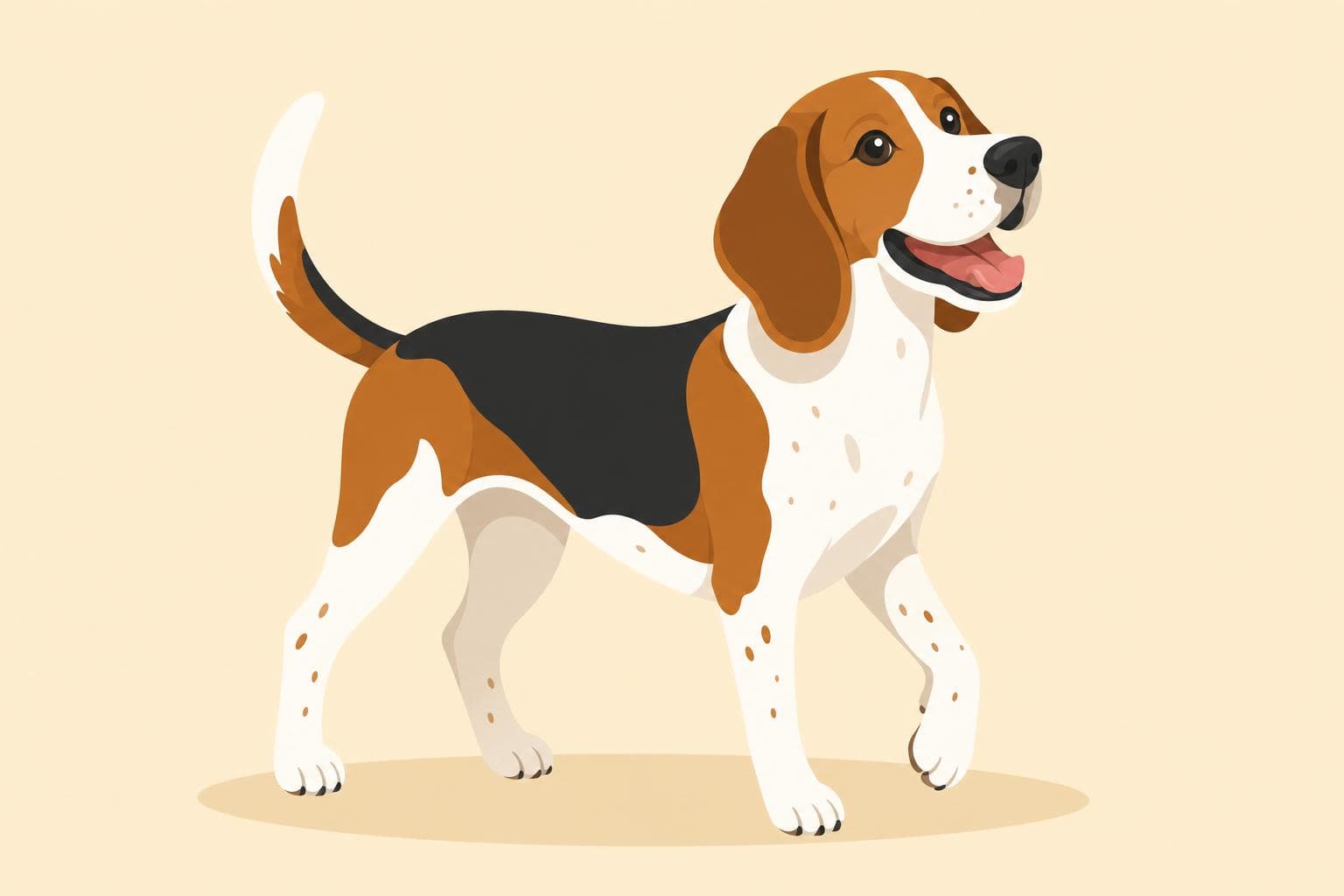
Behavior & traits
- loving with family
- great with kids
- loud bay
- strong prey drive
- social with other dogs
Health concerns
Treeing Walker Coonhounds are generally a hardy, healthy breed with few serious genetic issues. Families should keep an eye out for hip dysplasia, ear infections (those long ears trap moisture), and occasional eye conditions. Regular ear cleaning and routine vet checkups go a long way in keeping them in top shape.
Responsible breeding and regular check-ups go a long way. Always ask breeders about health testing.
Feeding & nutrition
A high-quality dog food formulated for active, medium-to-large breeds works well, typically split into two meals a day to support their energy and prevent bloat. Adult Walkers usually eat around 2.5–3 cups of kibble daily, but active or working dogs may need more. Watch portions carefully — these hounds will happily beg at the dinner table and can pack on pounds if overfed.
Exercise needs
This is a high-energy hound that needs at least an hour of solid exercise every day, ideally more. Long walks, hikes, jogging, and securely fenced play sessions are perfect ways to burn off steam. Families with active lifestyles or backyards to run in will find this breed slots right into their rhythm — but a bored Walker can become a noisy, mischievous one.
Living with a Treeing Walker Coonhound
Living with a Treeing Walker Coonhound means living with a big-hearted, big-voiced companion who genuinely wants to be wherever you are. They're affectionate cuddlers at home, often surprising families with how snuggly and gentle they are with kids — many become a child's best shadow. The flip side is the nose and the voice: they'll follow a scent halfway across the neighborhood if given the chance, so a secure yard and a reliable leash are non-negotiable. Expect baying when they're excited, see a squirrel, or hear a delivery truck, which is something to consider if you have close neighbors. Once their exercise needs are met, though, they settle into the household beautifully and become wonderful, easygoing family members.
Recommended products
A sturdy 6-foot leash and a well-fitted no-pull harness are essential — Walkers are strong pullers when a scent catches them. Invest in a long training lead for safe off-leash-style romps in open areas, since recall can be unreliable around interesting smells. Durable chew toys and puzzle feeders help keep their busy minds occupied, and a soft ear-cleaning solution should be part of your weekly routine to prevent infections in those long, floppy ears. A comfy, supportive dog bed is also a must — these hounds love to lounge hard after a day of activity.
Reads for Treeing Walker Coonhound owners
![[header] Border Collie with puzzle toys](/_next/image?url=https%3A%2F%2Fimages.ctfassets.net%2Fq8y32akc6zms%2F7eTvC6qBF3gqDFvQSzcpXM%2Fa35b628bfd670bfc52bf4bcd532fc1b6%2Fheader.jpg&w=3840&q=75)
Engaging Activities for Border Collies: A How-To Guide
Is your Border Collie always on the lookout for something to do? Dive into engaging mental activities that will keep their sharp minds busy and entertained!
![[header] Senior dog resting on an orthopedic bed while a puppy waits](/_next/image?url=https%3A%2F%2Fimages.ctfassets.net%2Fq8y32akc6zms%2F4EwnObSBED8EN4IbvFJgaN%2Fc15a1446d531fd28d8e6854c46c3de7f%2Fheader.jpg&w=3840&q=75)
Before the Puppy Arrives: A Pre-Arrival Checklist for Your Senior Dog
Your calm senior dog has been quietly compensating for aches, stiffness, and fading senses for years — and a new puppy is about to expose all of it. This pre-arrival checklist walks you through the vet workup, pain baseline, and home setup to tackle in the weeks *before* pickup day, so your older dog isn't blindsided by the chaos.
![[header] Small dog wearing a soft mesh harness walking on a sunny pat](/_next/image?url=https%3A%2F%2Fimages.ctfassets.net%2Fq8y32akc6zms%2F3p03PzT9zANgbTC9dAOMJ2%2Ff95efe8539856e9489ef9bd4e861c4ba%2Fheader.jpg&w=3840&q=75)
Comfortable Harnesses for Small Dogs Prone to Tracheal Collapse
Is your small dog coughing from their collar? Discover harnesses designed for pups prone to tracheal collapse, offering protection and comfort with every walk.