Vizsla
Vizslas are famously known as 'velcro dogs' because they want to be right by your side at all times — whether you're cooking dinner, helping with homework, or relaxing on the couch. They're affectionate, sensitive, and deeply bonded to their families, often forming especially sweet relationships with children. Their playful, goofy nature makes them wonderful family companions, though they truly thrive when included in everyday activities rather than left alone for long stretches.
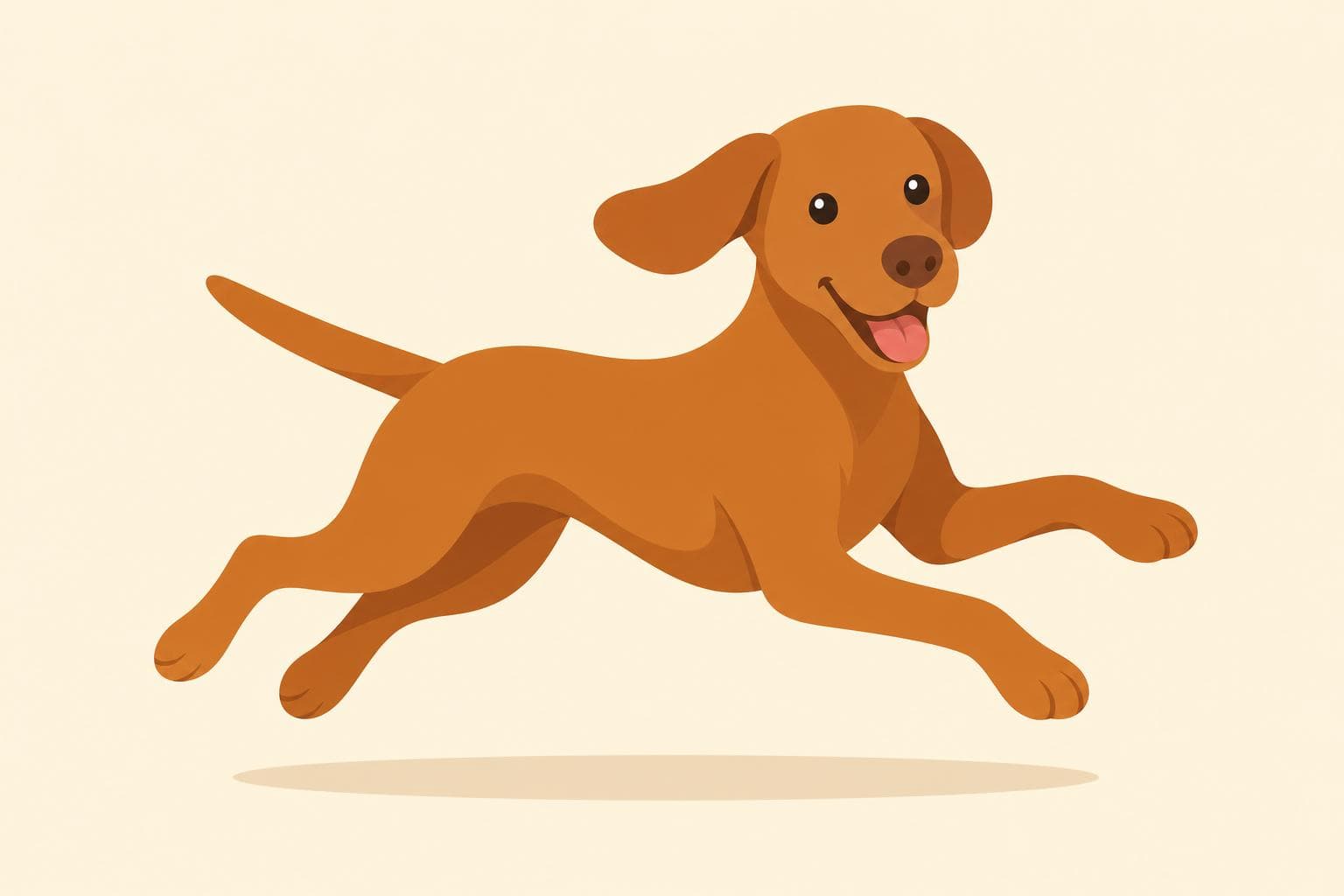
Behavior & traits
- velcro like attachment
- gentle with kids
- highly trainable
- playful
- people pleasing
Health concerns
Vizslas are generally a healthy, hardy breed, but families should watch for hip dysplasia, epilepsy, and certain eye conditions like progressive retinal atrophy. They can also be prone to anxiety-related issues if left alone too often, which sometimes manifests in physical symptoms. Regular vet checkups and choosing a reputable breeder who health-tests parents go a long way toward a long, happy life.
Responsible breeding and regular check-ups go a long way. Always ask breeders about health testing.
Feeding & nutrition
A high-quality, protein-rich dog food formulated for active medium breeds works best for the athletic Vizsla. Most adults do well on 2–3 cups of food per day split into two meals, though active dogs may need more. Because they're deep-chested, feeding from a slow-feeder bowl and avoiding heavy exercise right after meals helps reduce the risk of bloat.
Exercise needs
Vizslas need at least 1–2 hours of vigorous exercise daily — think running, fetch, hiking, or swimming, not just a leisurely walk. Families who love the outdoors will find a perfect partner here, and kids with energy to burn often make excellent backyard playmates. Without enough physical and mental stimulation, Vizslas can become anxious or destructive, so plan to keep them busy.
Living with a Vizsla
Living with a Vizsla means never going to the bathroom alone again — they will follow you everywhere, and they mean everywhere. Mornings typically start with an enthusiastic greeting and a request for exercise, and they're happiest when the whole family is home and active together. They're surprisingly clean dogs with little doggy odor, and their short coat is easy to maintain, though they do shed more than people expect. Families often discover their Vizsla is a master cuddler who will burrow under blankets and claim a spot on the couch as their own. The biggest adjustment for most families is learning that this breed simply doesn't do 'alone time' well — they need a household where someone is usually around.
Recommended products
A sturdy front-clip harness is essential for walks since Vizslas are strong and love to pull toward exciting smells, and a long lead is great for safe off-leash-style runs in open fields. Invest in durable interactive toys like Kongs, puzzle feeders, and flirt poles to keep their busy minds engaged. Because they have very little body fat and a thin coat, a warm fleece jacket for chilly weather and a cozy orthopedic dog bed (or two — they love options) will keep them comfortable. A rubber grooming mitt makes quick work of their light but regular shedding.
Reads for Vizsla owners
![[header] Illustrated owner and athletic dog hiking a mountain trail t](/_next/image?url=https%3A%2F%2Fimages.ctfassets.net%2Fq8y32akc6zms%2F7DNPyseenZ7Tn8tGjdRmVN%2F8db03a8d9ee4dbc7b75637e6f5d162fc%2Fheader.jpg&w=3840&q=75)
The Adventure Buddy: The Owner Archetype Who Treats the World as a Playgrounda
Got The Adventure Buddy on your LiveLaughWoof assessment? Here's what it actually says about you — and the dog personalities most likely to thrive at your pace. Plus the one skill most adventure-forward owners forget to teach their athletic dogs, and the breeds that tend to fit best.
The Social Connector: The Owner Who Makes the Dog Park Feel Like a Neighborhood
You're the one who knows every dog on the block by name — and probably every owner too. The Social Connector turns a walk around the corner into a small social event, and the right dog makes that whole world richer. Here's the portrait, the growth edge no one warned you about, and the dog personalities that fit your rhythm best.
![[header] Flat cartoon illustration of an owner training an attentive](/_next/image?url=https%3A%2F%2Fimages.ctfassets.net%2Fq8y32akc6zms%2F7CllxL16iNPhcl8q0z6bIP%2F7fd060804f20a0c5d711a64ff4e038e8%2Fheader.jpg&w=3840&q=75)
The Coach: The Owner Archetype Who Turns Training Into a Love Language
Organised, driven, and happiest when there's a plan? You might be The Coach — the owner archetype who turns training into a love language and gets the best out of a smart, high-drive dog. Here's the portrait, the pairings that click, and the one growth edge worth watching.