Welsh Springer Spaniel
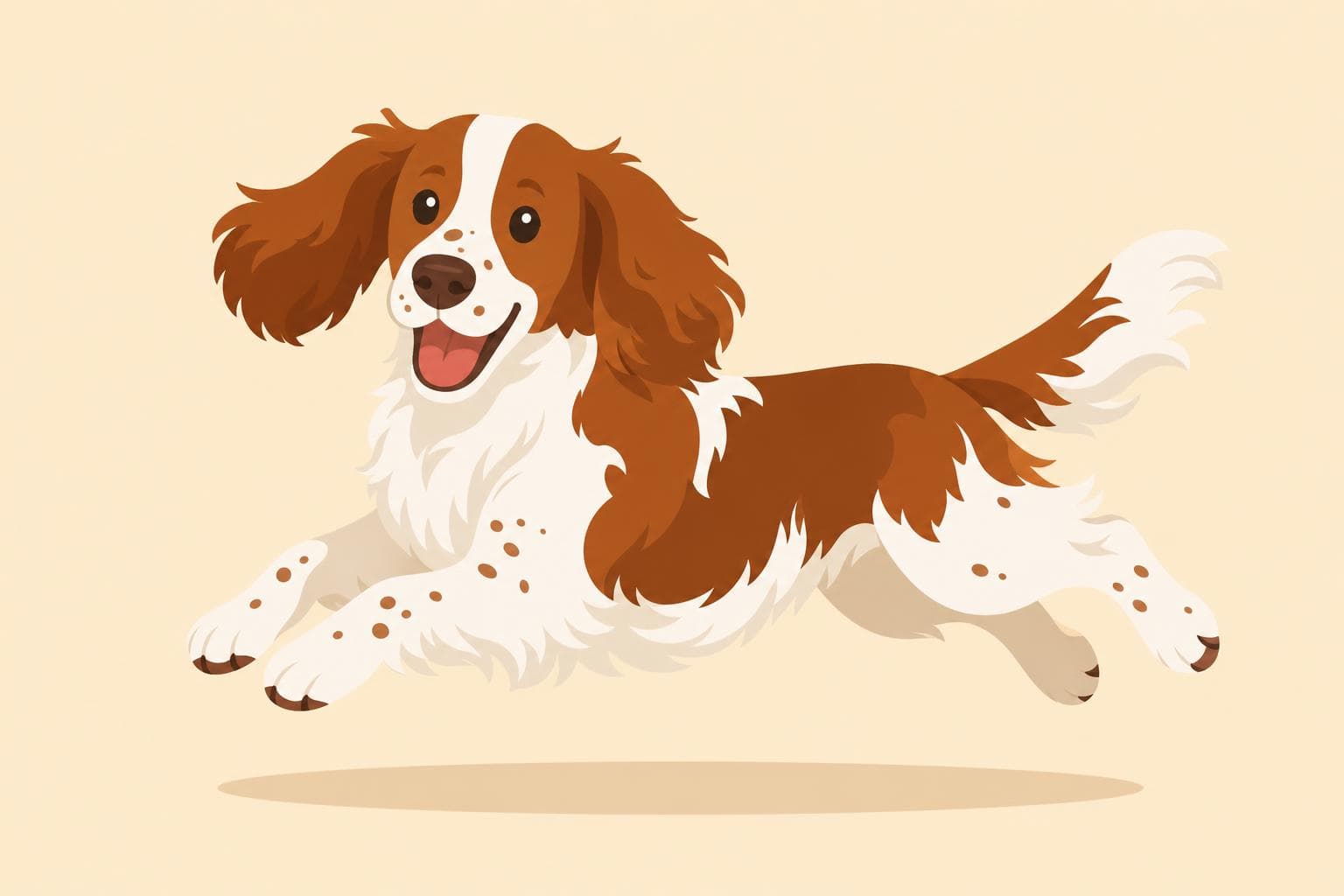
Welsh Springer Spaniels are warm, devoted dogs that thrive on being part of the family action. They're known for their sweet, even-tempered nature and tend to form strong bonds with everyone in the household, often following their favorite people from room to room. While they're enthusiastic and playful outdoors, they typically settle into a calm, cuddly companion once inside, making them a wonderful balance of fun and easygoing.
Behavior & traits
- devoted companion
- gentle with kids
- playful
- eager to please
- people oriented
Health concerns
Welsh Springers are generally healthy, but families should be aware of hip dysplasia, which can affect mobility as they age. Ear infections are also common due to their long, floppy ears, so regular ear checks are essential. Occasional eye issues like glaucoma and hypothyroidism can occur, so routine vet checkups go a long way.
Responsible breeding and regular check-ups go a long way. Always ask breeders about health testing.
Feeding & nutrition
A high-quality dog food appropriate for active medium breeds works well, typically 1.5 to 2 cups split into two meals a day. Because Welshies love food and can pack on pounds, watch portions and limit table scraps — especially helpful with kids who love sneaking treats. Always keep fresh water available, particularly after their energetic outdoor sessions.
Exercise needs
Welsh Springers need at least an hour of active exercise daily, ideally a mix of brisk walks, fetch, and off-leash running in a safe area. Families can easily meet their needs by including them in hikes, backyard play sessions, or trips to the park with the kids. Mental stimulation through training games and puzzle toys is just as important — a bored Welshie may invent their own entertainment.
Living with a Welsh Springer Spaniel
Living with a Welsh Springer Spaniel feels like having a cheerful, four-legged shadow who's always up for whatever the family is doing. Mornings often start with an excited wag and a request to play, while evenings tend to wind down with them curled up at your feet or snuggled next to the kids on the couch. They're famously affectionate — sometimes called 'velcro dogs' — and can struggle with being left alone for long stretches, so they thrive in homes where someone is usually around. Expect some seasonal shedding, muddy paws after rainy walks, and the occasional 'spaniel sass' when they spot a squirrel mid-stroll. In return, you get a loyal, gentle companion who genuinely seems to view your family as their whole world.
Recommended products
A sturdy no-pull harness is a must for walks, since Welshies can get excited when they catch an interesting scent. Invest in a quality slicker brush and grooming comb to manage their feathered coat, plus a gentle ear cleaner to prevent infections in those long ears. Durable fetch toys, a long training lead for safe off-leash practice, and interactive puzzle feeders will help channel their smart, energetic minds. An orthopedic dog bed is also a great addition, giving them a cozy spot to rest after all that family adventure.
Reads for Welsh Springer Spaniel owners
![[header] Border Collie with puzzle toys](/_next/image?url=https%3A%2F%2Fimages.ctfassets.net%2Fq8y32akc6zms%2F7eTvC6qBF3gqDFvQSzcpXM%2Fa35b628bfd670bfc52bf4bcd532fc1b6%2Fheader.jpg&w=3840&q=75)
Engaging Activities for Border Collies: A How-To Guide
Is your Border Collie always on the lookout for something to do? Dive into engaging mental activities that will keep their sharp minds busy and entertained!
![[header] Senior dog resting on an orthopedic bed while a puppy waits](/_next/image?url=https%3A%2F%2Fimages.ctfassets.net%2Fq8y32akc6zms%2F4EwnObSBED8EN4IbvFJgaN%2Fc15a1446d531fd28d8e6854c46c3de7f%2Fheader.jpg&w=3840&q=75)
Before the Puppy Arrives: A Pre-Arrival Checklist for Your Senior Dog
Your calm senior dog has been quietly compensating for aches, stiffness, and fading senses for years — and a new puppy is about to expose all of it. This pre-arrival checklist walks you through the vet workup, pain baseline, and home setup to tackle in the weeks *before* pickup day, so your older dog isn't blindsided by the chaos.
![[header] Small dog wearing a soft mesh harness walking on a sunny pat](/_next/image?url=https%3A%2F%2Fimages.ctfassets.net%2Fq8y32akc6zms%2F3p03PzT9zANgbTC9dAOMJ2%2Ff95efe8539856e9489ef9bd4e861c4ba%2Fheader.jpg&w=3840&q=75)
Comfortable Harnesses for Small Dogs Prone to Tracheal Collapse
Is your small dog coughing from their collar? Discover harnesses designed for pups prone to tracheal collapse, offering protection and comfort with every walk.