Welsh Terrier
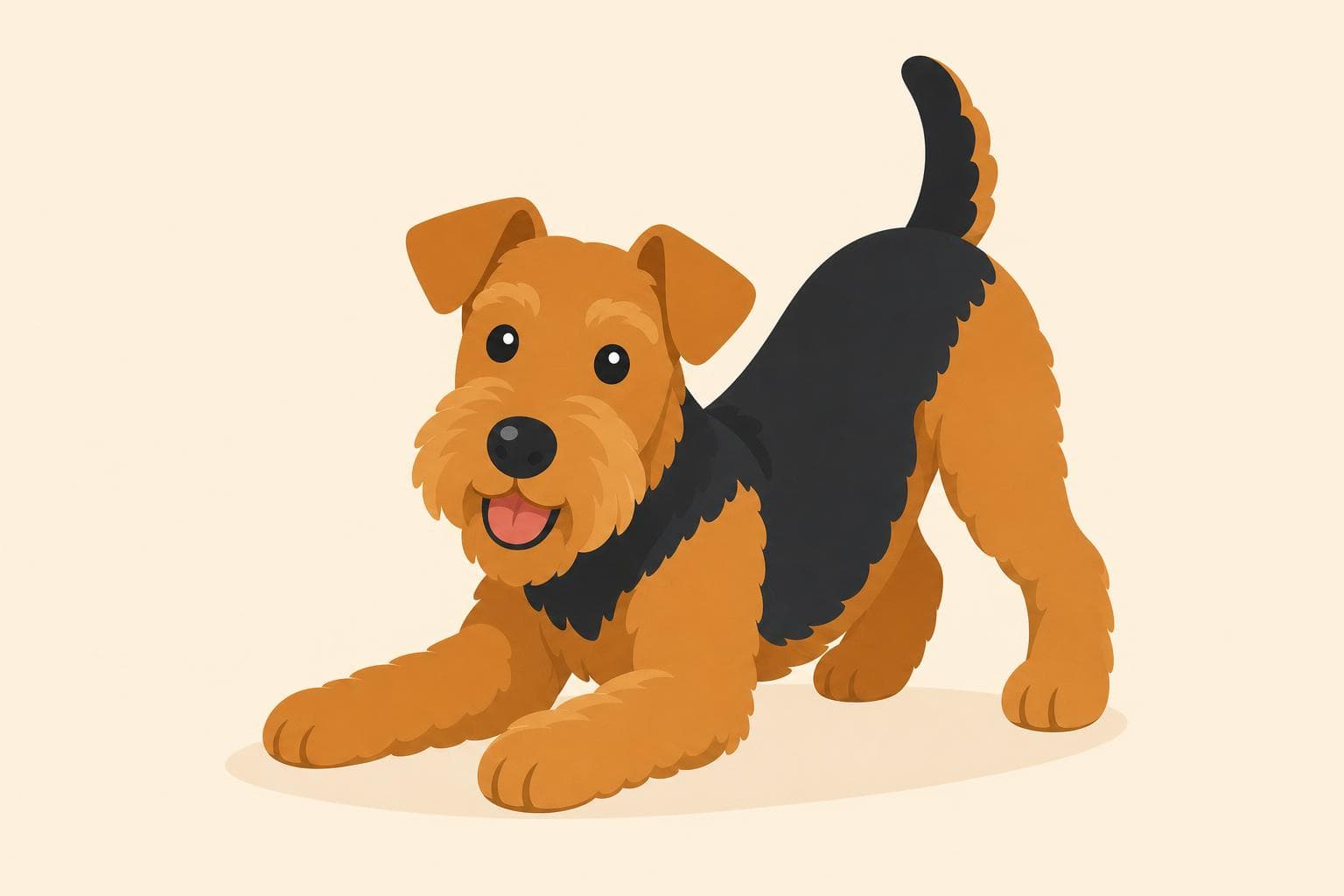
Welsh Terriers are charming little firecrackers who pack a big personality into a compact, sturdy frame. They're devoted to their families and especially love being part of the everyday action — from backyard games to couch cuddles after dinner. Like most terriers, they have a cheeky, mischievous streak and a strong prey drive, but they're also remarkably affectionate and tuned in to their people. Expect a dog who's always ready for adventure but happy to settle down beside the kids at the end of the day.
Behavior & traits
- playful with kids
- spunky
- alert watchdog
- independent thinker
- affectionate with family
Health concerns
Welsh Terriers are generally a hardy, long-lived breed, but families should be aware of occasional issues like hip dysplasia, allergies, and eye conditions such as glaucoma or lens luxation. Skin sensitivities can crop up, especially without regular grooming. Routine vet checkups and good preventive care typically keep this breed in great shape for many years.
Responsible breeding and regular check-ups go a long way. Always ask breeders about health testing.
Feeding & nutrition
A high-quality dog food formulated for small, active breeds works well, usually split into two measured meals a day. Welsh Terriers can be food-motivated and may beg at the dinner table, so portion control is important to prevent weight gain. Fresh water, healthy training treats, and occasional dental chews round out a solid feeding routine.
Exercise needs
Plan on at least 45–60 minutes of active exercise daily, including walks, play sessions, and mental enrichment. Families can easily meet these needs with backyard fetch, hikes, agility games, or letting the kids include the dog in active outdoor play. A bored Welsh Terrier will invent its own fun — often involving digging or barking — so consistent exercise is key.
Living with a Welsh Terrier
Living with a Welsh Terrier means living with a lively, opinionated little sidekick who's almost always up for something fun. Mornings often start with enthusiasm — a quick zoomie around the kitchen, breakfast, and then a walk before the day's chaos begins. They tend to get along beautifully with children who respect their boundaries, often becoming a kid's favorite playmate and adventure buddy. Be prepared for some classic terrier quirks: barking at the mail carrier, digging in the garden, and a strong urge to chase squirrels or neighborhood cats. At the end of the day, though, they're snuggly, loyal, and surprisingly tuned in to the family's emotional rhythms, making them a delightful (if slightly cheeky) household companion.
Recommended products
Invest in a good slicker brush, metal comb, and stripping knife — Welsh Terriers have a wiry double coat that benefits from regular hand-stripping or professional grooming every 6–8 weeks. A sturdy front-clip harness is a must for walks, since these terriers love to pull toward interesting smells, and a long lead can help with safe off-leash-style exploring. Stock up on durable chew toys, puzzle feeders, and tug ropes to keep their busy minds engaged, and consider a secure, fenced yard or playpen since their prey drive makes escape attempts a real possibility.
Reads for Welsh Terrier owners
![[header] Border Collie with puzzle toys](/_next/image?url=https%3A%2F%2Fimages.ctfassets.net%2Fq8y32akc6zms%2F7eTvC6qBF3gqDFvQSzcpXM%2Fa35b628bfd670bfc52bf4bcd532fc1b6%2Fheader.jpg&w=3840&q=75)
Engaging Activities for Border Collies: A How-To Guide
Is your Border Collie always on the lookout for something to do? Dive into engaging mental activities that will keep their sharp minds busy and entertained!
![[header] Senior dog resting on an orthopedic bed while a puppy waits](/_next/image?url=https%3A%2F%2Fimages.ctfassets.net%2Fq8y32akc6zms%2F4EwnObSBED8EN4IbvFJgaN%2Fc15a1446d531fd28d8e6854c46c3de7f%2Fheader.jpg&w=3840&q=75)
Before the Puppy Arrives: A Pre-Arrival Checklist for Your Senior Dog
Your calm senior dog has been quietly compensating for aches, stiffness, and fading senses for years — and a new puppy is about to expose all of it. This pre-arrival checklist walks you through the vet workup, pain baseline, and home setup to tackle in the weeks *before* pickup day, so your older dog isn't blindsided by the chaos.
![[header] Small dog wearing a soft mesh harness walking on a sunny pat](/_next/image?url=https%3A%2F%2Fimages.ctfassets.net%2Fq8y32akc6zms%2F3p03PzT9zANgbTC9dAOMJ2%2Ff95efe8539856e9489ef9bd4e861c4ba%2Fheader.jpg&w=3840&q=75)
Comfortable Harnesses for Small Dogs Prone to Tracheal Collapse
Is your small dog coughing from their collar? Discover harnesses designed for pups prone to tracheal collapse, offering protection and comfort with every walk.