Wire Fox Terrier
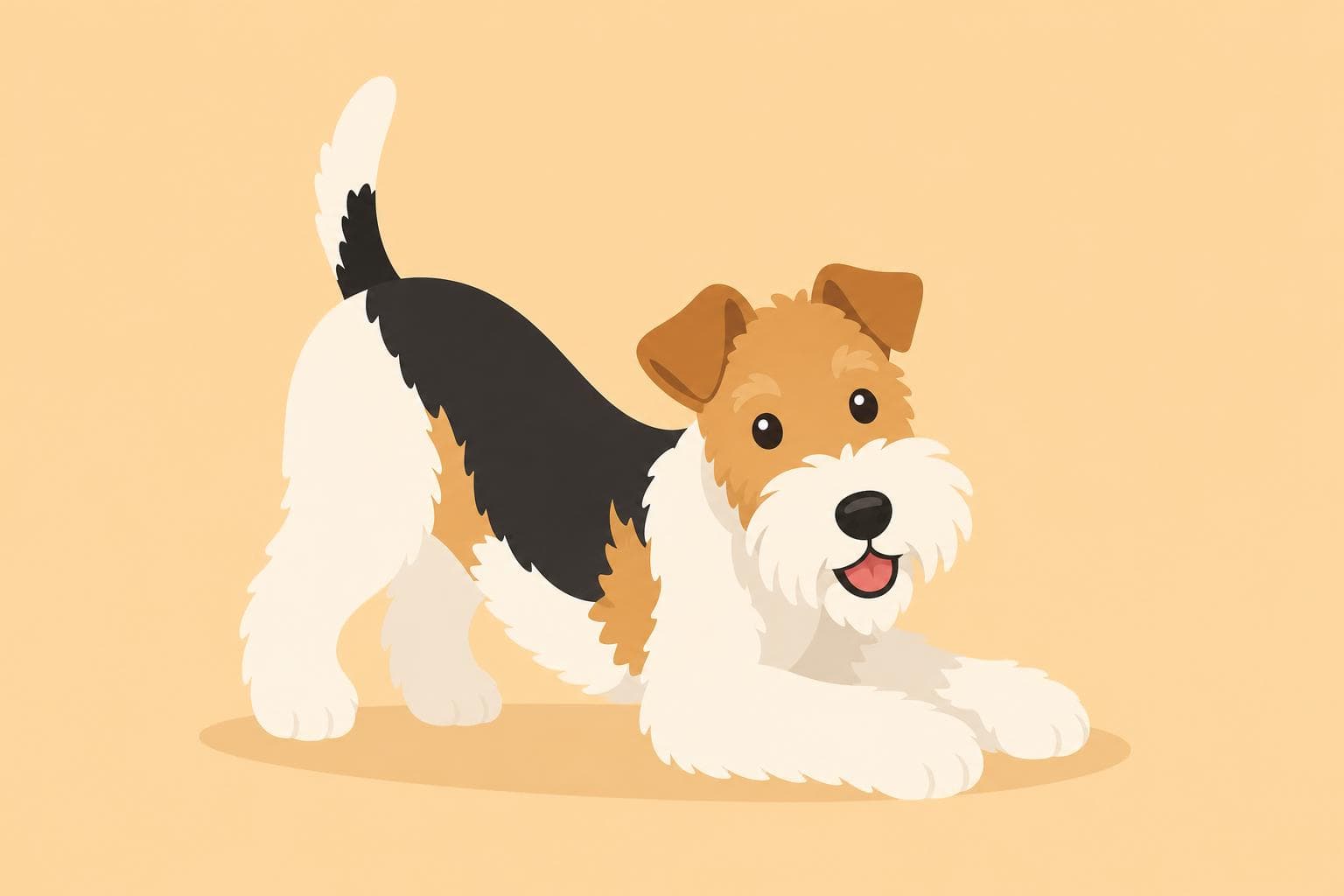
Wire Fox Terriers are bold, bouncy little personalities packed into a compact frame, and they tend to be the entertainers of the family. They form strong bonds with their people, love being in the middle of household activity, and have a clever sense of humor that keeps everyone laughing. While affectionate and playful with kids, they're also independent thinkers who do best in homes that appreciate a confident, busy little dog.
Behavior & traits
- spirited
- great with older kids
- curious explorer
- vocal watchdog
- high prey drive
Health concerns
Wire Fox Terriers are generally a healthy, long-lived breed, but families should watch for eye conditions like lens luxation and cataracts, as well as occasional hip dysplasia and patellar luxation. Some lines can also be prone to deafness and skin allergies. Regular vet checkups and routine ear and dental care help keep them thriving well into their teens.
Responsible breeding and regular check-ups go a long way. Always ask breeders about health testing.
Feeding & nutrition
A high-quality dog food formulated for small, active breeds suits them well, typically divided into two measured meals a day. Because they're enthusiastic eaters with a compact build, it's easy for them to gain weight, so families should watch portion sizes and limit table scraps. Treats are great for training, but stick to small, low-calorie options.
Exercise needs
Plan on at least an hour of active exercise daily, including brisk walks, fetch sessions, and plenty of mental stimulation. They love backyard play with the kids, but a securely fenced yard is essential because their hunting instincts can send them chasing squirrels in a flash. Puzzle toys, trick training, and games like hide-and-seek help burn off that famously busy terrier brain.
Living with a Wire Fox Terrier
Living with a Wire Fox Terrier is a bit like having a small, furry comedian in residence — they're always 'on,' always curious, and rarely boring. Mornings often start with a burst of energy, followed by patrols of the yard, naps on the couch, and enthusiastic greetings every time someone walks through the door. They do best with school-aged children who can match their playful energy and respect their independent streak, though supervision with toddlers is wise because of their bouncy, sometimes mouthy play style. Expect some barking — they're natural watchdogs who feel duty-bound to announce visitors, squirrels, and the occasional blowing leaf. Families who embrace their quirks, give them daily adventures, and keep them mentally engaged are rewarded with a devoted, hilarious companion that fits beautifully into busy household life.
Recommended products
A sturdy slicker brush, metal comb, and stripping knife are must-haves for maintaining that signature wiry coat between professional grooming appointments every 6–8 weeks. Invest in a well-fitted harness and a strong 6-foot leash, since their prey drive means retractable leashes aren't ideal. Durable rubber toys, puzzle feeders, and a sturdy flirt pole are excellent for channeling their energy, and a comfortable crate gives them a cozy retreat for downtime in a busy family home.
Reads for Wire Fox Terrier owners
![[header] Border Collie with puzzle toys](/_next/image?url=https%3A%2F%2Fimages.ctfassets.net%2Fq8y32akc6zms%2F7eTvC6qBF3gqDFvQSzcpXM%2Fa35b628bfd670bfc52bf4bcd532fc1b6%2Fheader.jpg&w=3840&q=75)
Engaging Activities for Border Collies: A How-To Guide
Is your Border Collie always on the lookout for something to do? Dive into engaging mental activities that will keep their sharp minds busy and entertained!
![[header] Senior dog resting on an orthopedic bed while a puppy waits](/_next/image?url=https%3A%2F%2Fimages.ctfassets.net%2Fq8y32akc6zms%2F4EwnObSBED8EN4IbvFJgaN%2Fc15a1446d531fd28d8e6854c46c3de7f%2Fheader.jpg&w=3840&q=75)
Before the Puppy Arrives: A Pre-Arrival Checklist for Your Senior Dog
Your calm senior dog has been quietly compensating for aches, stiffness, and fading senses for years — and a new puppy is about to expose all of it. This pre-arrival checklist walks you through the vet workup, pain baseline, and home setup to tackle in the weeks *before* pickup day, so your older dog isn't blindsided by the chaos.
![[header] Small dog wearing a soft mesh harness walking on a sunny pat](/_next/image?url=https%3A%2F%2Fimages.ctfassets.net%2Fq8y32akc6zms%2F3p03PzT9zANgbTC9dAOMJ2%2Ff95efe8539856e9489ef9bd4e861c4ba%2Fheader.jpg&w=3840&q=75)
Comfortable Harnesses for Small Dogs Prone to Tracheal Collapse
Is your small dog coughing from their collar? Discover harnesses designed for pups prone to tracheal collapse, offering protection and comfort with every walk.