Yorkshire Terrier
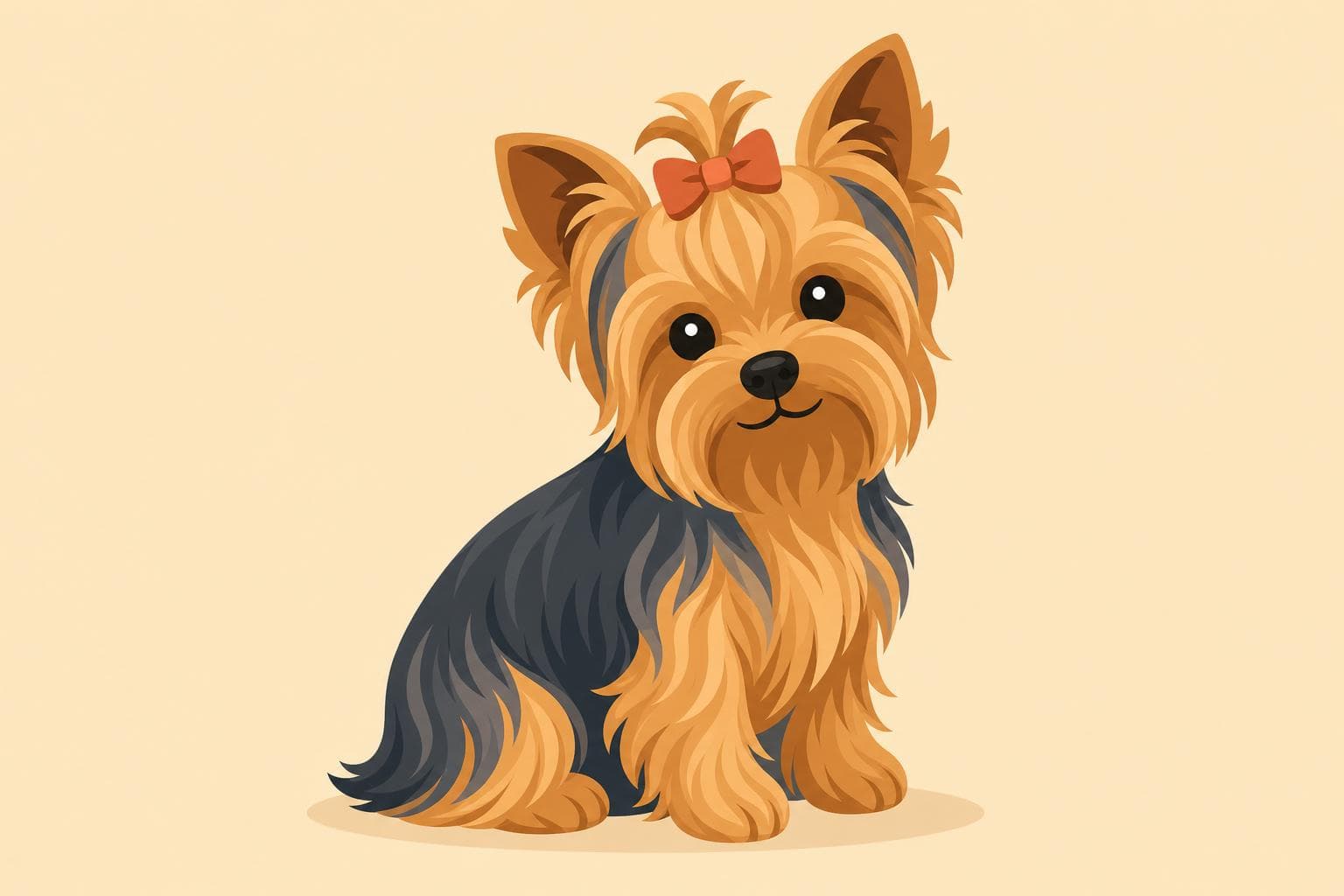
Yorkshire Terriers are big personalities packed into tiny bodies, often acting like the self-appointed boss of the household. They form deep bonds with their people and love being right in the middle of family activity, whether that's curling up on the couch or trotting alongside you from room to room. Their terrier roots show in their boldness and tendency to bark at anything unusual, making them surprisingly effective little watchdogs. With early socialization, they're confident, charming, and endlessly entertaining companions.
Behavior & traits
- devoted to family
- alert watchdog
- bold for their size
- playful
- people oriented
Health concerns
Yorkies are generally healthy but prone to dental issues, luxating patellas, and collapsing trachea, which is why a harness is strongly preferred over a collar. Hypoglycemia can occur in young puppies, so frequent small meals are important early on. Regular vet checkups and good dental care go a long way in keeping them thriving into their teens.
Responsible breeding and regular check-ups go a long way. Always ask breeders about health testing.
Feeding & nutrition
Yorkies do best on high-quality small-breed kibble formulated for their tiny mouths and fast metabolisms, typically eating about 1/4 to 1/2 cup per day split into two or three meals. Because they can be picky and prone to dental disease, mixing in some dental-friendly options or vet-approved toppers helps. Watch portion sizes carefully — even a few extra treats can quickly add up on such a small frame.
Exercise needs
Despite their tiny size, Yorkies have surprising energy and benefit from two short daily walks plus some indoor play. A couple of 15–20 minute outings, combined with games of fetch down the hallway or puzzle toys, usually do the trick. Families with kids will find Yorkies happy to join in gentle backyard play, though they shouldn't be over-exercised in extreme heat or cold.
Living with a Yorkshire Terrier
Living with a Yorkie means having a tiny shadow who follows you everywhere — to the kitchen, the bathroom, and right back to bed. They're remarkably adaptable to apartment life and busy family schedules, but they thrive on being included, not left alone for long stretches. Expect a vocal little alarm system who announces every doorbell, delivery, and squirrel, which can be charming or chaotic depending on your household. Their silky coat needs daily brushing or a shorter 'puppy cut' to stay manageable, and many families are pleasantly surprised by how clean and low-odor they are. With kids, Yorkies do best with older, gentle children who understand that this is a small, fragile dog — not a toy to be picked up roughly.
Recommended products
A well-fitted step-in harness is non-negotiable for Yorkies to protect their delicate trachea on walks. Invest in quality grooming tools like a pin brush, detangling spray, and small dental kit, since coat care and tooth brushing are daily essentials. A cozy elevated bed, a sturdy playpen for safe alone-time, and small-breed-sized toys (think plush squeakers and treat puzzles) round out the basics. Pet stairs near the couch or bed are also a smart addition to prevent jumping injuries.
Reads for Yorkshire Terrier owners
![[header] Border Collie with puzzle toys](/_next/image?url=https%3A%2F%2Fimages.ctfassets.net%2Fq8y32akc6zms%2F7eTvC6qBF3gqDFvQSzcpXM%2Fa35b628bfd670bfc52bf4bcd532fc1b6%2Fheader.jpg&w=3840&q=75)
Engaging Activities for Border Collies: A How-To Guide
Is your Border Collie always on the lookout for something to do? Dive into engaging mental activities that will keep their sharp minds busy and entertained!
![[header] Senior dog resting on an orthopedic bed while a puppy waits](/_next/image?url=https%3A%2F%2Fimages.ctfassets.net%2Fq8y32akc6zms%2F4EwnObSBED8EN4IbvFJgaN%2Fc15a1446d531fd28d8e6854c46c3de7f%2Fheader.jpg&w=3840&q=75)
Before the Puppy Arrives: A Pre-Arrival Checklist for Your Senior Dog
Your calm senior dog has been quietly compensating for aches, stiffness, and fading senses for years — and a new puppy is about to expose all of it. This pre-arrival checklist walks you through the vet workup, pain baseline, and home setup to tackle in the weeks *before* pickup day, so your older dog isn't blindsided by the chaos.
![[header] Small dog wearing a soft mesh harness walking on a sunny pat](/_next/image?url=https%3A%2F%2Fimages.ctfassets.net%2Fq8y32akc6zms%2F3p03PzT9zANgbTC9dAOMJ2%2Ff95efe8539856e9489ef9bd4e861c4ba%2Fheader.jpg&w=3840&q=75)
Comfortable Harnesses for Small Dogs Prone to Tracheal Collapse
Is your small dog coughing from their collar? Discover harnesses designed for pups prone to tracheal collapse, offering protection and comfort with every walk.