Coton de Tulear
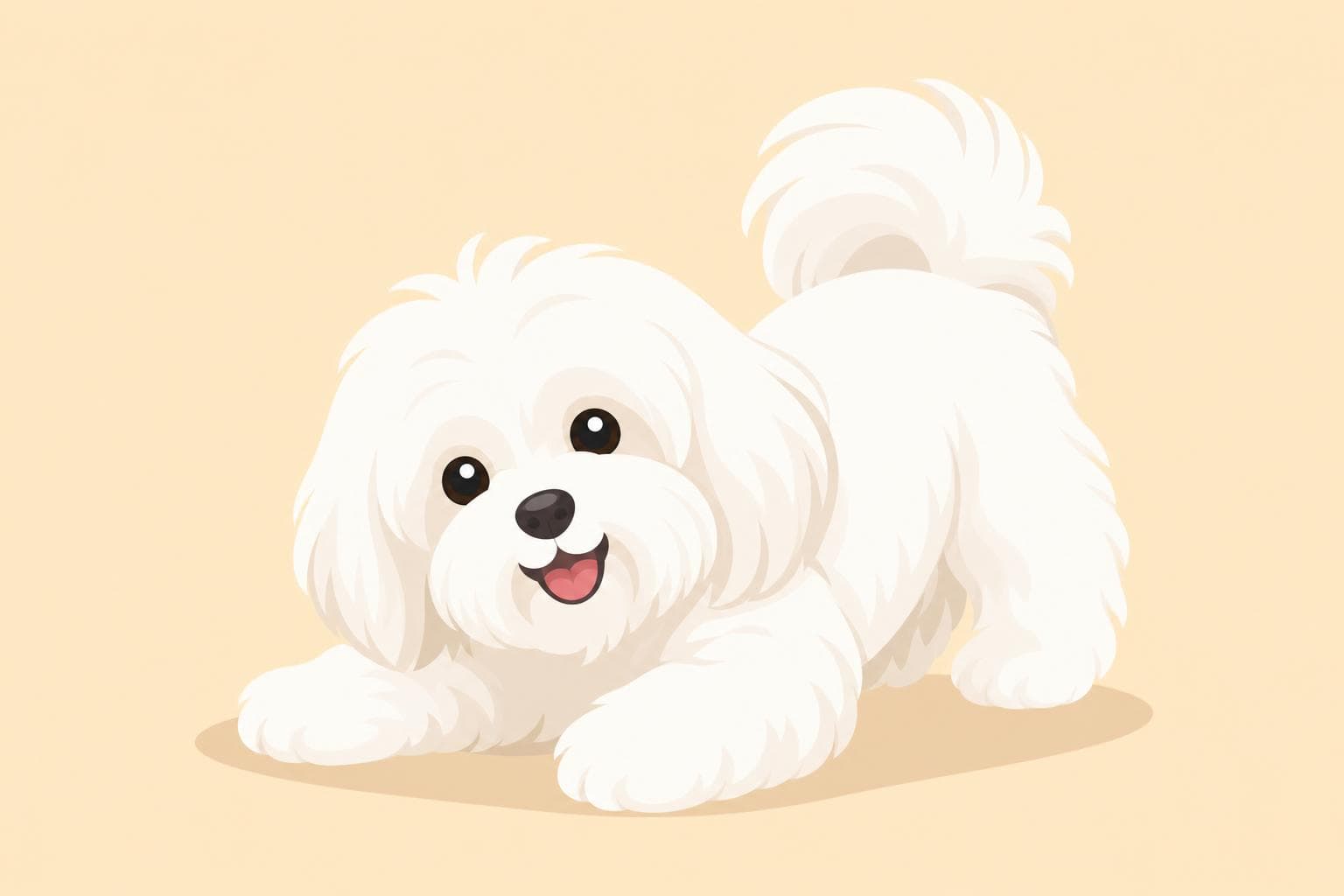
Often nicknamed the 'clown of the dog world,' the Coton de Tulear is a sunny, affectionate companion that thrives on being part of family life. They're known for their happy disposition, comical antics, and a deep desire to bond closely with their humans. Cotons get along beautifully with children, other pets, and visitors, making them a wonderful fit for busy, social households.
Behavior & traits
- gentle with kids
- people oriented
- playful clown
- eager to please
- rarely aggressive
Health concerns
Cotons are generally a healthy, long-lived breed, but families should watch for hip dysplasia, luxating patellas, and occasional eye issues like progressive retinal atrophy. Some lines can be prone to allergies or sensitive stomachs. Routine vet checkups and a reputable breeder go a long way toward avoiding most problems.
Responsible breeding and regular check-ups go a long way. Always ask breeders about health testing.
Feeding & nutrition
A high-quality small-breed kibble or fresh food formula split into two daily meals works well for most Cotons. Because they're small and love treats, portion control matters — it's easy for them to gain weight when the kids keep sneaking snacks. Look for foods with quality protein and omega fatty acids to support their iconic cottony coat.
Exercise needs
Cotons need about 30–45 minutes of daily activity, which can easily be split between a couple of walks and indoor playtime. They love games of fetch, gentle tug, and chasing kids around the yard, but they're just as happy curling up after a good romp. Their adaptable energy makes them suitable for both active families and quieter households.
Living with a Coton de Tulear
Living with a Coton de Tulear is a bit like having a fluffy white shadow who's convinced they're part of every conversation. They follow family members from room to room, 'talk' with funny grunts and gruffs, and have a knack for making everyone laugh with their bouncy, clownish play. Daily life revolves around connection — they don't do well left alone for long stretches, so they fit best in homes where someone is around most of the day. Grooming is the biggest commitment: their cotton-soft coat needs brushing several times a week to prevent mats, plus regular baths and trims. In return, you get one of the most loving, kid-friendly, and low-drama small dogs around — a true family companion who ages gracefully and stays playful well into their senior years.
Recommended products
A quality pin brush and metal greyhound comb are essential for keeping that signature cottony coat mat-free, along with a gentle whitening shampoo to maintain their bright color. A lightweight step-in harness is kinder to their small frame than a collar for walks. Soft plush toys and puzzle feeders suit their playful, clever nature, and an elevated or small-breed-sized food bowl with measured portions helps keep their weight in check.
Reads for Coton de Tulear owners
![[header] Border Collie with puzzle toys](/_next/image?url=https%3A%2F%2Fimages.ctfassets.net%2Fq8y32akc6zms%2F7eTvC6qBF3gqDFvQSzcpXM%2Fa35b628bfd670bfc52bf4bcd532fc1b6%2Fheader.jpg&w=3840&q=75)
Engaging Activities for Border Collies: A How-To Guide
Is your Border Collie always on the lookout for something to do? Dive into engaging mental activities that will keep their sharp minds busy and entertained!
![[header] Senior dog resting on an orthopedic bed while a puppy waits](/_next/image?url=https%3A%2F%2Fimages.ctfassets.net%2Fq8y32akc6zms%2F4EwnObSBED8EN4IbvFJgaN%2Fc15a1446d531fd28d8e6854c46c3de7f%2Fheader.jpg&w=3840&q=75)
Before the Puppy Arrives: A Pre-Arrival Checklist for Your Senior Dog
Your calm senior dog has been quietly compensating for aches, stiffness, and fading senses for years — and a new puppy is about to expose all of it. This pre-arrival checklist walks you through the vet workup, pain baseline, and home setup to tackle in the weeks *before* pickup day, so your older dog isn't blindsided by the chaos.
![[header] Small dog wearing a soft mesh harness walking on a sunny pat](/_next/image?url=https%3A%2F%2Fimages.ctfassets.net%2Fq8y32akc6zms%2F3p03PzT9zANgbTC9dAOMJ2%2Ff95efe8539856e9489ef9bd4e861c4ba%2Fheader.jpg&w=3840&q=75)
Comfortable Harnesses for Small Dogs Prone to Tracheal Collapse
Is your small dog coughing from their collar? Discover harnesses designed for pups prone to tracheal collapse, offering protection and comfort with every walk.