Ibizan Hound
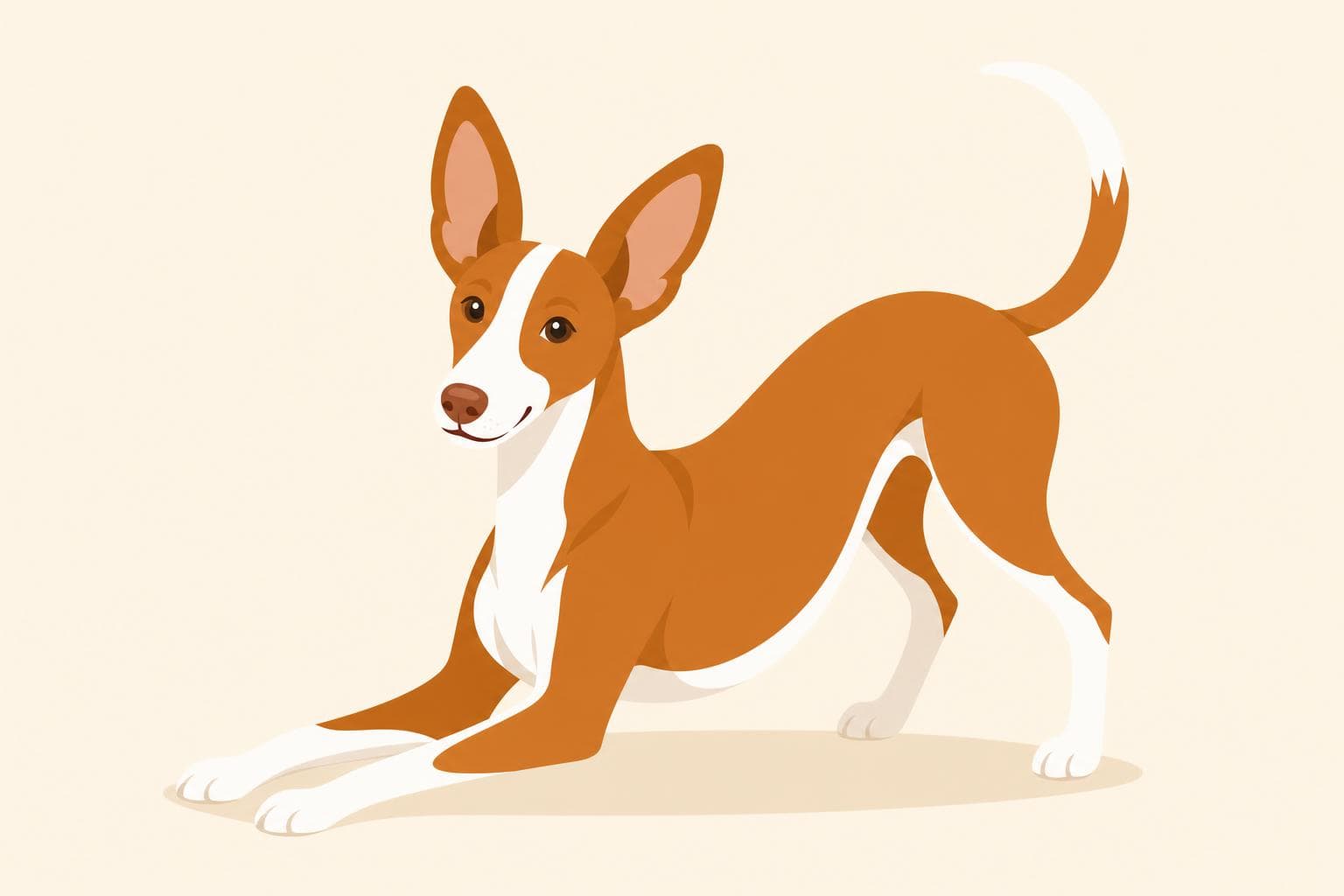
Ibizan Hounds, affectionately called 'Beezers,' are graceful, deer-like dogs with playful, almost clownish personalities at home. They're deeply bonded to their families and tend to be gentle and patient with children, often choosing to lounge nearby after a good run. While they can be a bit aloof with strangers at first, they warm up quickly and rarely show aggression. Expect a sensitive soul who thrives on affection and gets the zoomies in the most entertaining ways.
Behavior & traits
- gentle with kids
- athletic and agile
- alert and curious
- sensitive
- high prey drive
Health concerns
Ibizan Hounds are generally a healthy, hardy breed with few major genetic issues. Families should watch for occasional concerns like deafness, eye conditions such as cataracts, and seizures or thyroid issues in some lines. Because of their lean build and thin skin, they can also be prone to minor scrapes and are sensitive to anesthesia, so always work with a vet familiar with sighthounds.
Responsible breeding and regular check-ups go a long way. Always ask breeders about health testing.
Feeding & nutrition
Feed a high-quality, protein-rich diet appropriate for an active medium-sized dog, typically 2–3 cups per day split into two meals. Because Ibizans are naturally lean and athletic, avoid overfeeding — you should be able to feel (but not see) their ribs. Like many deep-chested breeds, they benefit from slow-feeder bowls and rest after meals to reduce the risk of bloat.
Exercise needs
This is a high-energy breed that needs at least an hour of vigorous exercise daily, ideally including a chance to run full-out in a securely fenced area. Families can meet their needs with brisk walks, backyard fetch, lure coursing, agility, or jogging alongside a parent. Without enough activity, Ibizans can become restless and mischievous, so plan on building exercise into the daily family rhythm.
Living with a Ibizan Hound
Living with an Ibizan Hound is a delightful mix of athletic adventure and quiet companionship. In the morning, expect a bouncy, eager partner ready for a run or romp, and by evening, a sleek dog curled up on the couch (yes, they will claim the couch). They're famous escape artists and impressive jumpers — a six-foot fence is non-negotiable, and they should never be off-leash in unsecured areas because their prey drive will take over the moment a squirrel appears. Families often describe them as cat-like in their cleanliness and gracefulness, yet goofy and affectionate at home, frequently 'smiling' or doing happy little jumps when greeting loved ones. With kids, they're typically loving and tolerant, though their bouncy energy means supervision is wise around toddlers.
Recommended products
Invest in a well-fitted martingale collar or sighthound harness, since their narrow heads can slip standard collars, plus a sturdy leash for daily walks. A padded, supportive dog bed is essential — Ibizans have little body fat and love to burrow, so fleece blankets or a covered cave-style bed are family favorites. A secure, tall fence (or long-line for open spaces) is a must-have, and puzzle toys or a flirt pole help channel their athletic energy on rainy days. A lightweight dog coat is also worth having for chilly weather walks, as their thin coats offer little insulation.
Reads for Ibizan Hound owners
![[header] Illustration of a relaxed owner strolling a sunny neighborho](/_next/image?url=https%3A%2F%2Fimages.ctfassets.net%2Fq8y32akc6zms%2F6eSvQziNmOnrewqdpXkKdn%2Fe930e191be428211be063b7c4fb6ffb0%2Fheader.jpg&w=3840&q=75)
The Improviser: The Owner Who Rolls With Whatever the Day Brings
Your LiveLaughWoof result came back as The Improviser — the curious, socially wired, gloriously unstructured owner who treats every day as an opportunity to see what happens. Here's what that says about the life you're building with a dog, the dog personalities most likely to flourish alongside you, and the one habit worth locking in so your free-spirited rhythm doesn't leave your dog guessing.
![[header] Border Collie with puzzle toys](/_next/image?url=https%3A%2F%2Fimages.ctfassets.net%2Fq8y32akc6zms%2F7eTvC6qBF3gqDFvQSzcpXM%2Fa35b628bfd670bfc52bf4bcd532fc1b6%2Fheader.jpg&w=3840&q=75)
Engaging Activities for Border Collies: A How-To Guide
Is your Border Collie always on the lookout for something to do? Dive into engaging mental activities that will keep their sharp minds busy and entertained!
![[header] Senior dog resting on an orthopedic bed while a puppy waits](/_next/image?url=https%3A%2F%2Fimages.ctfassets.net%2Fq8y32akc6zms%2F4EwnObSBED8EN4IbvFJgaN%2Fc15a1446d531fd28d8e6854c46c3de7f%2Fheader.jpg&w=3840&q=75)
Before the Puppy Arrives: A Pre-Arrival Checklist for Your Senior Dog
Your calm senior dog has been quietly compensating for aches, stiffness, and fading senses for years — and a new puppy is about to expose all of it. This pre-arrival checklist walks you through the vet workup, pain baseline, and home setup to tackle in the weeks *before* pickup day, so your older dog isn't blindsided by the chaos.