Lancashire Heeler
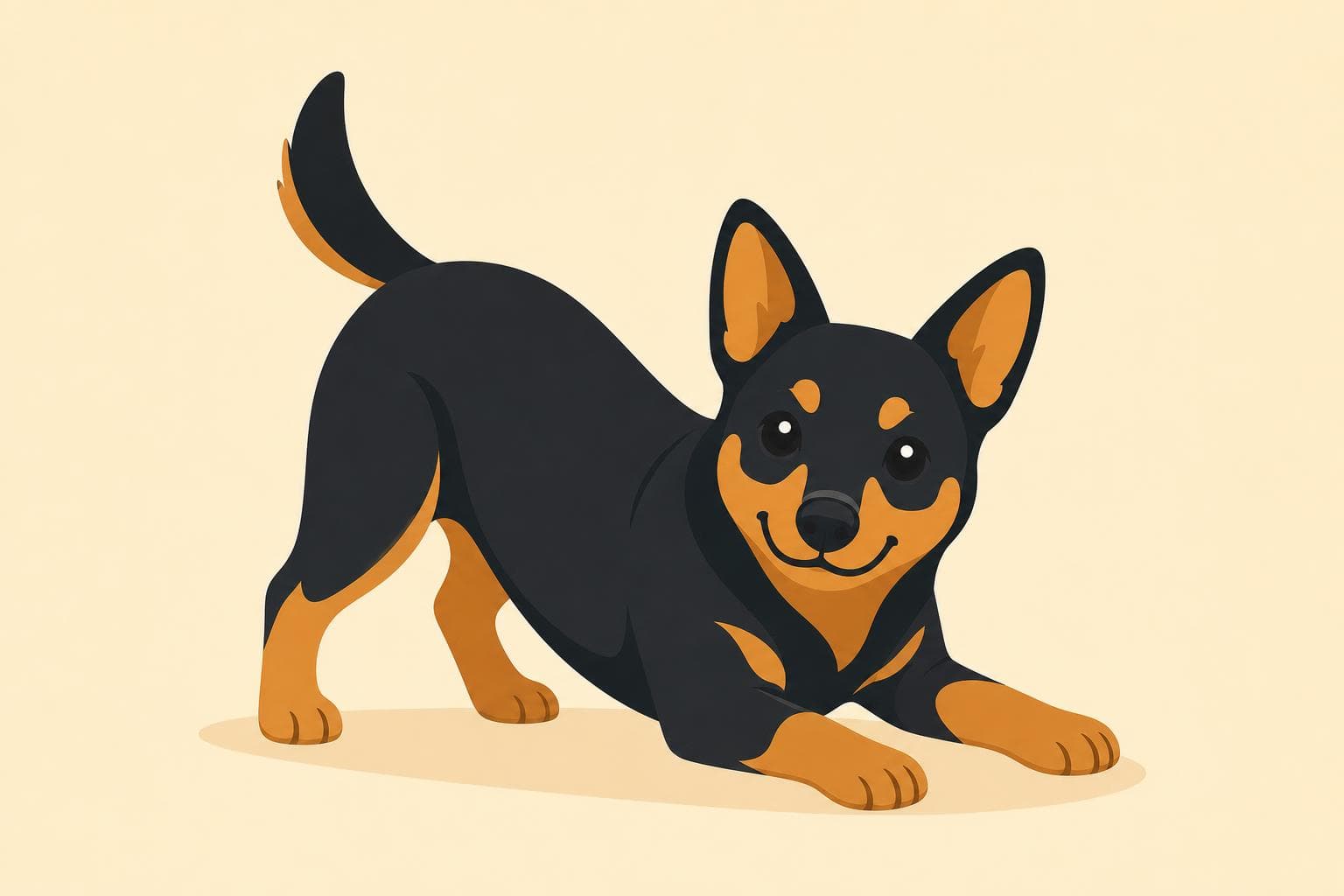
Lancashire Heelers are big personalities packed into small, sturdy bodies. They bond closely with their families and love being right in the middle of household life, whether that's helping unload groceries or supervising homework. Bred as cattle drovers, they're alert, busy little dogs with a famous 'Heeler smile' and a cheeky sense of humor that keeps families laughing.
Behavior & traits
- devoted to family
- playful with kids
- naturally watchful
- clever and curious
- may nip at heels
Health concerns
Lancashire Heelers are generally healthy, but families should be aware of inherited eye conditions like Collie Eye Anomaly and Primary Lens Luxation, which responsible breeders screen for. Patellar luxation (slipping kneecaps) can also occur in this small breed. Choosing a breeder who does health testing dramatically reduces these risks.
Responsible breeding and regular check-ups go a long way. Always ask breeders about health testing.
Feeding & nutrition
A high-quality small-breed kibble or balanced diet works well, typically split into two measured meals a day. Because Heelers are compact and food-motivated, they gain weight easily, so families should watch portion sizes and use part of the daily kibble for training treats. Always provide fresh water, especially after their many play sessions.
Exercise needs
Despite their small size, Lancashire Heelers need real daily exercise — about 45–60 minutes of walking, fetch, or active play. Families can meet this with a morning walk, backyard play with the kids, and some mental stimulation like puzzle toys or short training sessions. Without enough activity, they can get mischievous and vocal, so keeping them busy is key.
Living with a Lancashire Heeler
Living with a Lancashire Heeler is like having a tiny, four-legged shadow who's always ready for the next adventure. They wake up cheerful, follow family members from room to room, and have an uncanny knack for knowing when it's snack time or walk time. Kids usually adore them because they're playful and sturdy, though parents should teach little ones not to encourage the breed's natural heel-nipping instinct — a quick redirect to a tug toy works wonders. They're surprisingly vocal little watchdogs and will announce every delivery driver, squirrel, and doorbell, which families either find charming or learn to manage with training. Expect a clever, opinionated companion who's deeply affectionate at the end of the day, curling up on the couch after putting in a full day of 'work' supervising the household.
Recommended products
A well-fitted Y-shaped harness is essential for safe walks since Heelers are strong pullers for their size, paired with a sturdy 6-foot leash. Invest in puzzle feeders and interactive toys like snuffle mats and treat-dispensing balls to channel their busy minds, plus durable tug toys to redirect their herding instincts. A rubber curry brush or grooming mitt handles their seasonal shedding nicely, and a cozy crate or bolster bed gives them a quiet retreat in a bustling family home.
Reads for Lancashire Heeler owners
![[header] Border Collie with puzzle toys](/_next/image?url=https%3A%2F%2Fimages.ctfassets.net%2Fq8y32akc6zms%2F7eTvC6qBF3gqDFvQSzcpXM%2Fa35b628bfd670bfc52bf4bcd532fc1b6%2Fheader.jpg&w=3840&q=75)
Engaging Activities for Border Collies: A How-To Guide
Is your Border Collie always on the lookout for something to do? Dive into engaging mental activities that will keep their sharp minds busy and entertained!
![[header] Senior dog resting on an orthopedic bed while a puppy waits](/_next/image?url=https%3A%2F%2Fimages.ctfassets.net%2Fq8y32akc6zms%2F4EwnObSBED8EN4IbvFJgaN%2Fc15a1446d531fd28d8e6854c46c3de7f%2Fheader.jpg&w=3840&q=75)
Before the Puppy Arrives: A Pre-Arrival Checklist for Your Senior Dog
Your calm senior dog has been quietly compensating for aches, stiffness, and fading senses for years — and a new puppy is about to expose all of it. This pre-arrival checklist walks you through the vet workup, pain baseline, and home setup to tackle in the weeks *before* pickup day, so your older dog isn't blindsided by the chaos.
![[header] Small dog wearing a soft mesh harness walking on a sunny pat](/_next/image?url=https%3A%2F%2Fimages.ctfassets.net%2Fq8y32akc6zms%2F3p03PzT9zANgbTC9dAOMJ2%2Ff95efe8539856e9489ef9bd4e861c4ba%2Fheader.jpg&w=3840&q=75)
Comfortable Harnesses for Small Dogs Prone to Tracheal Collapse
Is your small dog coughing from their collar? Discover harnesses designed for pups prone to tracheal collapse, offering protection and comfort with every walk.