Plott Hound
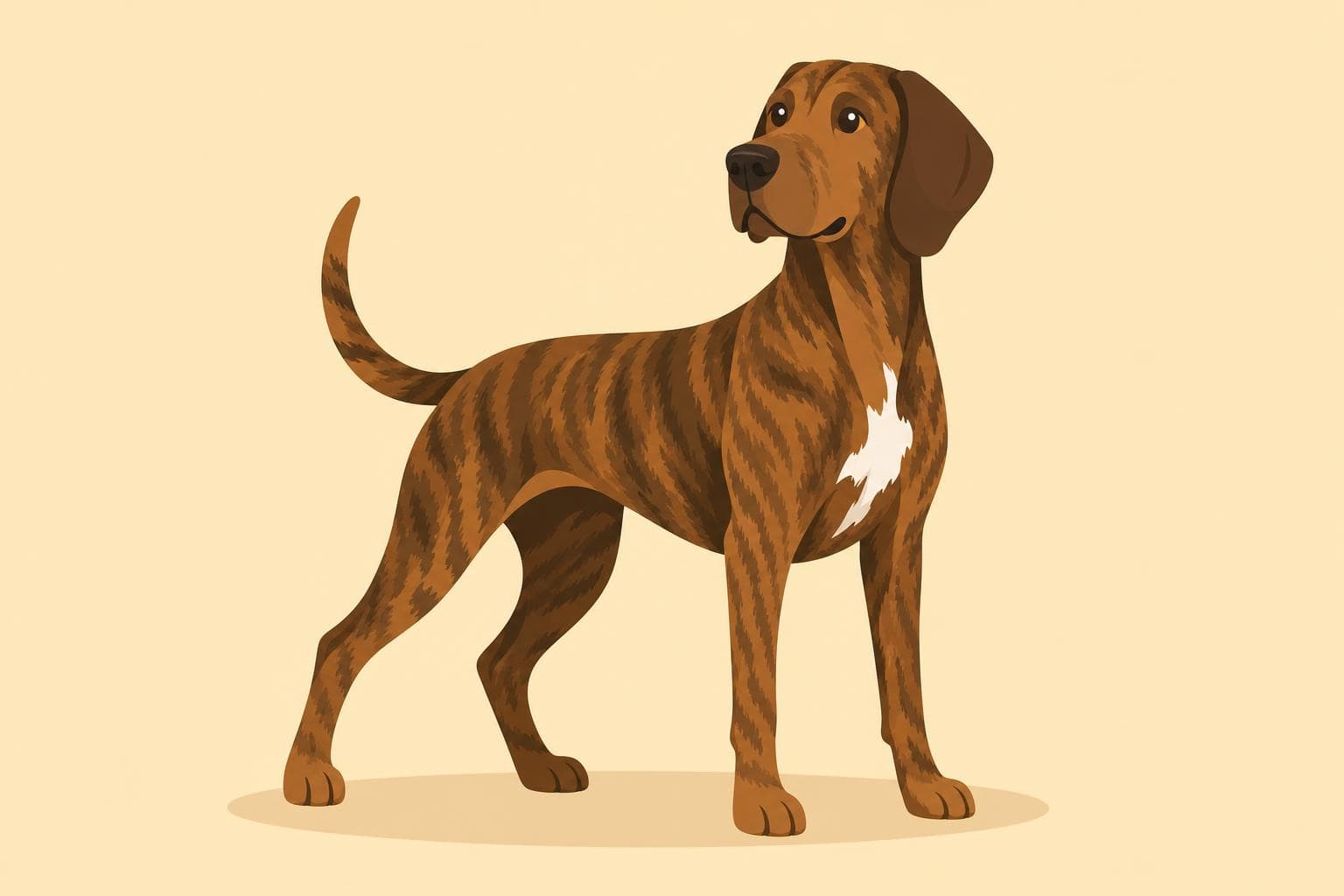
The Plott Hound is a bold, big-hearted breed that bonds deeply with its family and thrives on being part of the action. Originally bred in North Carolina for hunting, they bring that same drive and determination into family life — playful, alert, and always ready for adventure. At home, they're surprisingly affectionate and love nothing more than curling up close after a long day of exploring. Their loyal, protective nature makes them wonderful family companions, though their hound voice means you'll always know when something's up.
Behavior & traits
- devoted to family
- good with kids
- fearless
- vocal
- high prey drive
Health concerns
Plott Hounds are generally a hardy, healthy breed with few major genetic issues, which is great news for families. The main concerns to watch for are hip dysplasia, bloat (gastric torsion) due to their deep chest, and ear infections from their floppy ears. Routine vet checkups, slow feeding, and weekly ear cleanings go a long way in keeping them in top shape.
Responsible breeding and regular check-ups go a long way. Always ask breeders about health testing.
Feeding & nutrition
Feed a high-quality dog food formulated for active, medium-to-large breeds, typically 2.5–3 cups per day split into two meals. Because they're prone to bloat, avoid heavy exercise right before or after meals and consider a slow-feeder bowl. Treats are great for training, but watch portion sizes — Plotts will happily convince you they're starving.
Exercise needs
This is a high-energy working breed that needs at least 60–90 minutes of vigorous exercise daily to stay happy and well-behaved. Families can meet these needs with long hikes, jogging, fetch sessions, and securely fenced backyard playtime — just remember their strong prey drive means off-leash adventures should be in safe, enclosed spaces. Mental enrichment like scent games and puzzle toys is just as important as physical activity.
Living with a Plott Hound
Living with a Plott Hound is lively, loud, and full of love. They're affectionate cuddlers who follow their people from room to room, yet they have a strong independent streak that comes out on walks when an interesting scent takes over. Families quickly learn that Plotts are vocal — they bay, bark, and 'talk' — which can be charming or challenging depending on your neighborhood. With kids, they're typically patient and playful, often becoming a child's most loyal sidekick, though their athletic build means supervision with toddlers is smart. Expect a dog that's deeply devoted, endlessly curious, and happiest when included in every part of family life.
Recommended products
A sturdy no-pull harness and a strong 6-foot leash are must-haves, since Plotts are powerful and easily distracted by scents. Invest in a slow-feeder bowl to help reduce bloat risk, plus durable chew toys and scent-based puzzle toys to satisfy their working-dog brain. A weekly grooming session with a rubber curry brush or hound mitt keeps shedding manageable, and a gentle ear-cleaning solution helps prevent infections in those floppy ears. A comfy, supportive dog bed is also key — after all that activity, they love to crash hard.
Reads for Plott Hound owners
![[header] Border Collie with puzzle toys](/_next/image?url=https%3A%2F%2Fimages.ctfassets.net%2Fq8y32akc6zms%2F7eTvC6qBF3gqDFvQSzcpXM%2Fa35b628bfd670bfc52bf4bcd532fc1b6%2Fheader.jpg&w=3840&q=75)
Engaging Activities for Border Collies: A How-To Guide
Is your Border Collie always on the lookout for something to do? Dive into engaging mental activities that will keep their sharp minds busy and entertained!
![[header] Senior dog resting on an orthopedic bed while a puppy waits](/_next/image?url=https%3A%2F%2Fimages.ctfassets.net%2Fq8y32akc6zms%2F4EwnObSBED8EN4IbvFJgaN%2Fc15a1446d531fd28d8e6854c46c3de7f%2Fheader.jpg&w=3840&q=75)
Before the Puppy Arrives: A Pre-Arrival Checklist for Your Senior Dog
Your calm senior dog has been quietly compensating for aches, stiffness, and fading senses for years — and a new puppy is about to expose all of it. This pre-arrival checklist walks you through the vet workup, pain baseline, and home setup to tackle in the weeks *before* pickup day, so your older dog isn't blindsided by the chaos.
![[header] Small dog wearing a soft mesh harness walking on a sunny pat](/_next/image?url=https%3A%2F%2Fimages.ctfassets.net%2Fq8y32akc6zms%2F3p03PzT9zANgbTC9dAOMJ2%2Ff95efe8539856e9489ef9bd4e861c4ba%2Fheader.jpg&w=3840&q=75)
Comfortable Harnesses for Small Dogs Prone to Tracheal Collapse
Is your small dog coughing from their collar? Discover harnesses designed for pups prone to tracheal collapse, offering protection and comfort with every walk.