Smooth Fox Terrier
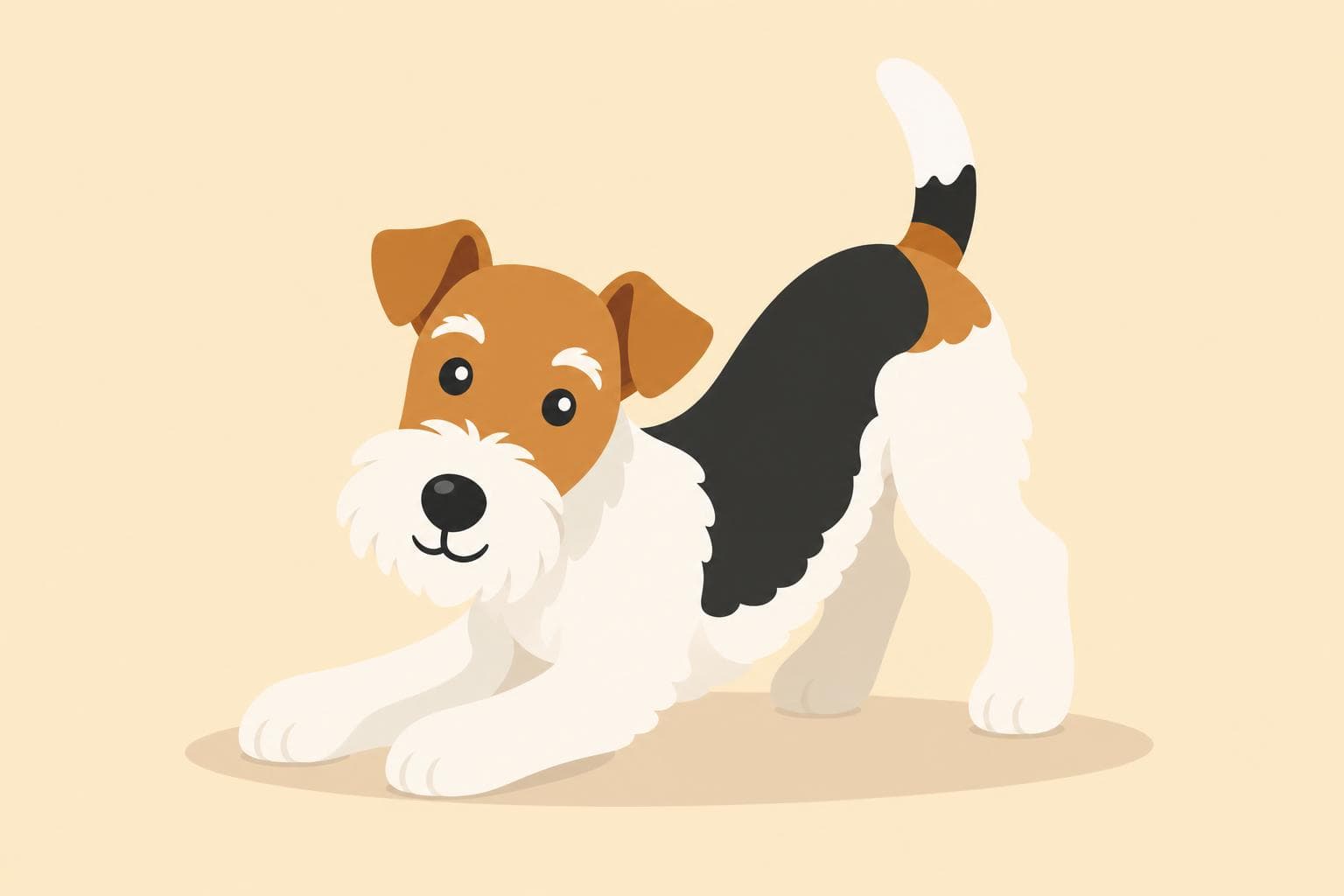
Smooth Fox Terriers are bold, lively little dogs packed with personality far bigger than their size suggests. They thrive on being in the middle of family life, whether that means joining a backyard game, supervising household chores, or curling up on the couch after a long day of adventures. Bred to hunt foxes, they retain a sharp prey drive and love to dig, chase, and explore, so families can expect a dog that's always ready for action. With proper socialization, they're affectionate and devoted companions who form deep bonds with their people.
Behavior & traits
- spirited
- playful with kids
- curious
- vocal
- strong prey drive
Health concerns
Smooth Fox Terriers are generally healthy and long-lived, but families should watch for inherited conditions like patellar luxation, deafness (sometimes linked to coat color), and certain eye disorders such as lens luxation and cataracts. Regular vet checkups and hearing/eye screenings from a reputable breeder go a long way. Like many small terriers, they can also be prone to dental issues, so routine tooth care is important.
Responsible breeding and regular check-ups go a long way. Always ask breeders about health testing.
Feeding & nutrition
A high-quality, protein-rich dog food formulated for small, active breeds will keep a Smooth Fox Terrier in peak condition. Most adults do well on about ¾ to 1½ cups of food split into two meals per day, adjusted for activity level. Because they're enthusiastic eaters who can pack on weight quickly if underexercised, families should measure portions and limit table scraps.
Exercise needs
This is a high-energy breed that needs at least 45–60 minutes of vigorous activity daily, plus plenty of mental stimulation. Brisk walks, fenced-yard play, fetch sessions, and games like hide-and-seek are family-friendly ways to burn off steam. Without enough outlet, they can become barky, destructive, or expert escape artists — so consistent daily exercise is non-negotiable.
Living with a Smooth Fox Terrier
Living with a Smooth Fox Terrier is a bit like having a tiny, four-legged comedian who never quite runs out of batteries. Mornings often start with enthusiasm — they're ready to go the moment you are — and the day tends to flow around bursts of play, naps in sunny spots, and watchful patrols of the yard or front window. Families quickly learn that fences need to be secure (these dogs dig and climb), small pets like hamsters or rabbits aren't always safe companions, and squirrels in the yard will set off a serious alarm. On the upside, they're wonderful playmates for school-aged children, endlessly entertaining, and surprisingly cuddly when the day winds down. Expect a confident, opinionated little dog who keeps you laughing, keeps you moving, and quickly becomes the heartbeat of the household.
Recommended products
A sturdy front-clip harness is essential for walks since their prey drive can lead to sudden lunges, and a long training lead is helpful for safe off-leash-style exploration in open spaces. Invest in puzzle toys, flirt poles, and durable chew toys to channel their busy minds and strong jaws. A rubber curry brush or hound mitt handles their short coat in just a few minutes a week, and a secure, escape-proof crate gives them a safe den while protecting your home during the puppy and adolescent years.
Reads for Smooth Fox Terrier owners
![[header] Border Collie with puzzle toys](/_next/image?url=https%3A%2F%2Fimages.ctfassets.net%2Fq8y32akc6zms%2F7eTvC6qBF3gqDFvQSzcpXM%2Fa35b628bfd670bfc52bf4bcd532fc1b6%2Fheader.jpg&w=3840&q=75)
Engaging Activities for Border Collies: A How-To Guide
Is your Border Collie always on the lookout for something to do? Dive into engaging mental activities that will keep their sharp minds busy and entertained!
![[header] Senior dog resting on an orthopedic bed while a puppy waits](/_next/image?url=https%3A%2F%2Fimages.ctfassets.net%2Fq8y32akc6zms%2F4EwnObSBED8EN4IbvFJgaN%2Fc15a1446d531fd28d8e6854c46c3de7f%2Fheader.jpg&w=3840&q=75)
Before the Puppy Arrives: A Pre-Arrival Checklist for Your Senior Dog
Your calm senior dog has been quietly compensating for aches, stiffness, and fading senses for years — and a new puppy is about to expose all of it. This pre-arrival checklist walks you through the vet workup, pain baseline, and home setup to tackle in the weeks *before* pickup day, so your older dog isn't blindsided by the chaos.
![[header] Small dog wearing a soft mesh harness walking on a sunny pat](/_next/image?url=https%3A%2F%2Fimages.ctfassets.net%2Fq8y32akc6zms%2F3p03PzT9zANgbTC9dAOMJ2%2Ff95efe8539856e9489ef9bd4e861c4ba%2Fheader.jpg&w=3840&q=75)
Comfortable Harnesses for Small Dogs Prone to Tracheal Collapse
Is your small dog coughing from their collar? Discover harnesses designed for pups prone to tracheal collapse, offering protection and comfort with every walk.